Blog
Role of Last Mile TMS in Logistics Optimization
Table of Contents
In today’s competitive and fast-paced logistics landscape, achieving operational efficiency is paramount for businesses. The last-mile delivery process is the final and most important part of the supply chain. It often faces challenges like traffic jams, late deliveries, and rising costs.
Here, the Last Mile Transportation Management System (TMS) plays a transformative role, driving logistics optimization through innovative technology and streamlined processes.
Understanding Last Mile TMS
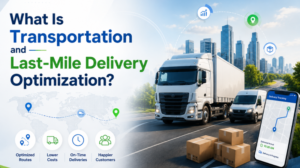
A Last Mile TMS is software that helps improve the last part of the delivery process. It makes sure deliveries to customers are on time and correct. By leveraging tools like real-time visibility, route optimization, and automated workflows, Last Mile TMS empowers businesses to tackle logistical challenges efficiently.
Key components of a robust Last Mile TMS include:
Routing and Dispatch Planning:
This feature creates optimal delivery routes, reducing fuel consumption and delivery times.
Real-Time Visibility:
Provides live tracking of deliveries, ensuring transparency and proactive issue resolution.
Customer Engagement Tools:
Enhances communication by offering updates on delivery status and facilitating rescheduling options.
Business Analytics:
Offers data-driven insights to identify inefficiencies and improve overall performance.
Key Features Driving Logistics Optimization
1. Route Optimization for Faster Deliveries:
A key feature of Last Mile TMS is its route optimization. It uses advanced AI to find the best delivery paths. This not only reduces transit times but also minimizes fuel costs, directly contributing to cost efficiency. For businesses handling high delivery volumes, optimized routes ensure adherence to delivery timelines, enhancing customer satisfaction.
2. Real-Time Tracking for Enhanced Transparency Real-time visibility:
A game-changer in the logistics industry, By enabling live tracking, businesses can monitor driver performance, vehicle locations, and delivery progress.
This feature builds trust with customers. They can get accurate ETAs and status updates. This ensures a smooth delivery experience.
3. Scalable Solutions for High-Volume Operations:
A scalable Last Mile TMS can handle the complexities of e-commerce logistics solutions, especially during peak seasons like holidays. With capabilities to manage increased order volumes, TMS ensures uninterrupted operations, making it indispensable for growing businesses.
4. Customer Engagement Tools for Better Satisfaction:
In a customer-centric market, effective communication is crucial. Last Mile TMS platforms come equipped with tools to send automated notifications, alerts, and delivery confirmations. These features help businesses reduce missed deliveries and improve overall customer satisfaction.
5. Data-Driven Insights Through Business Analytics:
Last Mile TMS provides actionable insights into delivery metrics such as on-time delivery rates, fuel usage, and operational costs. These insights enable businesses to identify bottlenecks and implement strategies for continuous improvement.
Facing holiday delivery challenges? Discover how route optimization can save the day this Christmas! Read more here.
Benefits of Last Mile TMS in Logistics Optimization
Cost Reduction
By streamlining delivery operations, a Last Mile TMS significantly reduces costs associated with fuel, labor, and vehicle maintenance. Features like automated billing and settlement further cut down administrative expenses.
Improved Delivery Times
Optimized routing and real-time tracking help drivers take the best paths. This avoids delays and ensures timely deliveries. This is especially beneficial for industries like food delivery optimization and retail.
Enhanced Customer Experience
Providing accurate ETAs, real-time updates, and seamless communication fosters trust and loyalty among customers. Satisfied customers are more likely to engage in repeat business, making customer experience a critical metric for success.
Increased Operational Efficiency
Last Mile TMS automates tasks. It handles dispatching, route planning, and proof of delivery. This reduces mistakes and increases productivity.
Challenges Addressed by Last Mile TMS
The last-mile delivery phase presents unique challenges, including:
High Delivery Costs:
Last Mile TMS minimizes these costs through route optimization and efficient fleet management.
Traffic Congestion:
By utilizing real-time data, TMS reroutes deliveries to avoid delays.
Customer Expectations:
Meeting tight delivery windows and providing real-time updates satisfy demanding customer expectations.
Industry Applications
The versatility of Last Mile TMS makes it a valuable asset across various industries:
E-Commerce:
Ensures timely deliveries during peak shopping periods, reducing cart abandonment rates.
Food Delivery:
Facilitates quick deliveries for perishable goods, ensuring freshness.
Retail:
Enables stores to offer same-day or next-day delivery services, enhancing competitiveness.
Future of Last Mile TMS
As technology evolves, the capabilities of Last Mile TMS will continue to expand. Integration with AI-powered logistics optimization tools will further enhance predictive analytics, allowing businesses to anticipate and mitigate delivery issues. Sustainable delivery practices, such as electric vehicle (EV) routing, are also becoming integral to TMS solutions, addressing the growing demand for eco-friendly logistics.
The Role of Last Mile TMS in Logistics Optimization is undeniable. This technology helps businesses tackle problems like high costs, inefficiencies, and unhappy customers. By doing this, they can gain a competitive edge in the fast-changing logistics industry.
To succeed in today’s delivery market, businesses need a good Last Mile TMS. Investing in this technology is important.