LMD Logo
LMD Logo
LMD Logo
  • Benefits of Last Mile TMS
  • Features of Last Mile TMS
  • Blogs

Month: March 2026

Blog

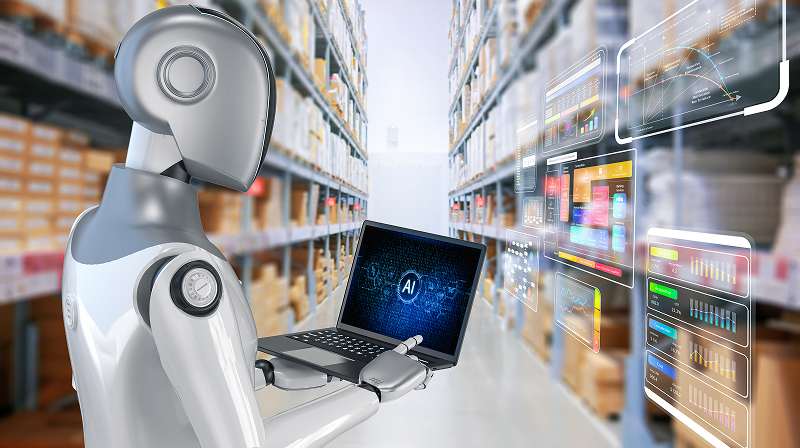
The Shift to AI & Automation in Logistics Execution
The Shift to AI & Automation in Logistics Execution

The logistics industry faces an unprecedented crisis. Supply chain leaders report that 68% of organizations struggle to meet delivery expectations, while labor shortages continue to squeeze margins across warehouses and distribution centers worldwide. Yet amidst this challenge lies an extraordinary opportunity. Artificial intelligence and automation are fundamentally reshaping how companies execute logistics operations—transforming complexity into competitive advantage.

The statistics paint a clear picture: companies implementing AI-driven logistics solutions report 23% improvements in on-time delivery, 25% cost reductions in last-mile delivery, and 40% increases in warehouse productivity. These aren’t marginal gains. They’re transformational improvements that directly impact bottom-line profitability and customer satisfaction.

This shift isn’t theoretical or distant. It’s happening right now. From autonomous route optimization algorithms that reduce fuel consumption by 15-20% to warehouse robots that process orders 3x faster than human teams, artificial intelligence is moving from innovation labs into operational reality. Companies that embrace this transformation are gaining significant competitive advantages, while those that delay face growing pressure from more agile, tech-enabled competitors.

In this blog, we’ll explore how AI and automation are reshaping logistics execution, the specific technologies driving this shift, the quantifiable benefits your organization can achieve, and practical implementation strategies to get you started. Whether you’re managing a fleet of 10 vehicles or orchestrating a global supply network, this transformation is relevant to your business—and the time to act is now.

Why Logistics Execution Needs an AI-Driven Transformation

Traditional logistics operations are built on processes that haven’t fundamentally changed in decades. Route planning is still done by experienced dispatchers making educated guesses. Warehouse picking relies on manual labor following printed lists. Demand forecasting extrapolates from historical data without understanding emerging market patterns. These manual, human-dependent approaches are reaching their breaking point.

The hidden costs of this approach are staggering. A typical mid-size logistics operation loses 12-15% of potential profit margins to inefficiency—missed consolidation opportunities, suboptimal routes, overstock inventory, and preventable delays. For a company with $100 million in annual logistics costs, that’s $12-15 million in preventable losses. Yet most companies accept these losses as inevitable.

The Hidden Costs of Manual Logistics Operations

Manual logistics operations accumulate costs that aren’t always visible until you look at the details. First, there’s labor—currently one of the largest and fastest-growing logistics expenses. Warehouse workers, drivers, planners, and dispatchers require ongoing training, competitive wages, and benefits. As competition for talent intensifies, these costs rise 5-8% annually.

Second, there’s inefficiency. A human dispatcher can typically manage 30-40 deliveries per day and optimize routes in broad strokes. An AI system processes thousands of variables—traffic patterns, weather conditions, vehicle capacity, delivery time windows, customer preferences, and real-time obstacles—and finds routes that are 20-30% more efficient. That’s not 5% better; that’s fundamentally different.

Third, there’s error. Human-driven processes introduce mistakes in routing, order picking, customer notifications, and exception handling. These errors compound—a missed delivery requires rework, customer disappointment, and additional resources. The cost of fixing these errors often exceeds the cost of preventing them in the first place.

Finally, there’s opportunity cost. Experienced logistics professionals spend 30-40% of their time on administrative tasks—data entry, email communication, report generation—rather than strategic problem-solving. When those tasks are automated, those professionals can focus on high-value work.

Why Labor Shortages Are Accelerating Digital Transformation

The labor market has fundamentally shifted. Post-pandemic, logistics workers have more options, higher expectations, and less tolerance for physically demanding, repetitive work. Warehouse turnover rates have reached 150% annually in many markets, meaning companies are essentially rehiring their entire workforce every eight months. Each new hire requires training, supervision, and often ramp-up time before productivity reaches acceptable levels.

This creates a vicious cycle: higher turnover leads to less experienced teams, which drives productivity down and errors up, which increases costs and degrades service quality. Labor shortages don’t just increase wage pressure—they fundamentally destabilize operations.

Automation breaks this cycle. By automating repetitive, physically demanding tasks—picking, sorting, packing, basic routing—companies reduce turnover pressure and unlock upward mobility within their organizations. Workers transition from repetitive picking roles to managing automated systems, quality assurance, and exception handling—more skilled, higher-paying work.

Customer Expectations: The New Normal in Fast Delivery

Customer expectations have been permanently redefined by companies like Amazon and DoorDash. Same-day and next-day delivery are no longer luxury options; they’re becoming baseline expectations. Customers expect real-time tracking visibility, proactive notifications of delays, and easy exceptions management. They want delivery windows of 2 hours, not 8. They demand sustainability and increasingly want eco-friendly delivery options.

Meeting these expectations with traditional logistics operations is nearly impossible. An AI-driven logistics network, however, can coordinate deliveries across multiple modes (truck, electric vehicle, bike, drone), dynamically adjust in real-time, and provide customers with visibility and control they expect. Companies using AI-powered last-mile delivery report 15-25% improvements in customer satisfaction scores.

How much cost can AI actually save in last-mile delivery? Discover the real impact.

Read More

Core AI & Automation Technologies Transforming Logistics

The transformation of logistics execution isn’t being driven by a single technology. Rather, it’s a convergence of multiple AI and automation technologies, each addressing specific operational challenges, that together create a more intelligent, responsive, and efficient logistics network.

Predictive Analytics & Demand Forecasting

Traditional demand forecasting looks backward. It analyzes historical sales patterns and projects them forward, with seasonal adjustments. This approach works well in stable markets but fails in dynamic environments where consumer preferences shift rapidly, new competitors emerge, or supply chain disruptions occur.

AI-powered predictive analytics works fundamentally differently. These systems analyze hundreds of data sources simultaneously: historical sales data, current market trends, social media signals, weather patterns, economic indicators, competitor pricing, and even localized event information. Machine learning algorithms identify subtle patterns that humans would miss and make significantly more accurate predictions.

The results are dramatic. Companies implementing AI demand forecasting report 20-35% improvements in forecast accuracy, particularly for short-term (1-2 week) predictions. This translates directly to inventory optimization—companies maintain less safety stock (since forecasts are more accurate), reducing carrying costs and obsolescence risk. More accurate demand forecasting also enables better workforce planning and asset utilization.

Consider a national retailer managing inventory across 500 stores. Traditional forecasting might predict a 10% demand increase for a product category. An AI system, analyzing social media trends, influencer activity, and seasonal patterns, might identify which specific products within that category will spike, in which regions the demand will be highest, and exactly when that demand will peak. This precision enables the company to position inventory before competitors, capturing market share and maximizing sell-through rates.

Route Optimization & Dynamic Routing

The “traveling salesman problem”—finding the most efficient route through multiple delivery points—is one of computing science’s classic challenges. With 10 delivery stops, there are over 3.6 million possible routes. With 20 stops, there are over 2.4 quintillion possible routes. No human dispatcher can evaluate these options.

AI-powered route optimization uses advanced algorithms to solve this problem at scale. These systems take real-time inputs—traffic conditions, weather, customer time windows, vehicle capacity, driver hours regulations, and delivery priorities—and generate optimal or near-optimal routes in seconds.

The impact is substantial. Companies implementing AI route optimization report 15-25% reductions in distance traveled, 10-20% fuel consumption reductions, 20-30% improvements in on-time delivery, and 10-15% increases in deliveries per vehicle per day. For a fleet of 100 vehicles, this means eliminating 10-15 unnecessary vehicles while maintaining or improving service levels.

But static optimization isn’t enough. Real-world conditions change constantly. A accident on a planned route. A customer requests an earlier delivery window. A driver experiences a breakdown. Dynamic routing systems use real-time data to continuously adjust routes, ensuring that the entire network remains optimized despite inevitable disruptions. This resilience is impossible with manual route planning.

Leading logistics companies now use dynamic routing as standard practice, with algorithms continuously re-optimizing routes every 5-15 minutes based on current conditions. The result is networks that are far more responsive and adaptable than those reliant on human planners.

Warehouse Automation & Robotics

Warehouse operations involve picking items from shelves, consolidating them with other items in orders, packing those orders, and preparing them for shipment. This work is physically demanding, repetitive, and highly labor-intensive. It’s also surprisingly complex—a large warehouse might manage hundreds of thousands of SKUs, with orders requiring items from multiple shelf locations.

Warehouse automation systems—including robotic arms, mobile robots, and conveyor systems—are revolutionizing this work. Rather than workers walking miles through a warehouse to pick items (traditional warehouses require pickers to walk 8-12 miles per shift), some modern systems bring inventory to workers, dramatically reducing movement. Robotic arms handle picking for items that don’t require human judgment. Automated sortation systems consolidate and organize packages.

The numbers are compelling. Fully automated warehouses process 3-4x more items per square foot than traditional warehouses. Picking accuracy reaches 99%+ (compared to 95-97% for human picking). System uptime reaches 99%+ with minimal downtime. Labor requirements drop by 30-50% (though jobs shift from picking to system management and maintenance). Most importantly, warehouses can operate at maximum efficiency 24/7—something impossible with human teams.

Companies like leading logistics providers are now deploying hybrid systems combining human workers with robotic systems. Workers focus on complex picking tasks requiring judgment, handling exceptions, and quality control. Robots handle volume picking, sorting, and movement. These hybrid systems combine human flexibility with robotic efficiency, delivering both cost and service improvements.

Real-Time Visibility & Tracking

In traditional logistics, visibility is limited. Dispatchers know where vehicles are (if they have GPS), but don’t know detailed package status, load composition, or real-time condition. Customers receive tracking information sporadically—usually after packages reach distribution points. This lack of visibility creates inefficiency and customer frustration.

Modern logistics networks use IoT (Internet of Things) sensors and real-time tracking systems to create unprecedented visibility. Sensors on packages monitor temperature, humidity, vibration, and location. Sensors on vehicles monitor performance, fuel consumption, and driver behavior. This data flows continuously to AI systems that process it, identify issues, and make recommendations.

A shipper can now know within minutes that a temperature-sensitive shipment is outside specification and have corrective action underway before significant damage occurs. A logistics manager can identify a bottleneck at a distribution center in real-time and dynamically route subsequent shipments to alternate facilities. A customer can see exactly where their package is and receive proactive notification if delays are likely.

This visibility creates opportunities for optimization that were previously impossible. Supply chain managers can identify the true drivers of delay and address them systematically. Customers experience dramatically improved communication and control. Logistics companies can ensure contractual service levels are met consistently.

Autonomous Delivery & Last-Mile Solutions

Last-mile delivery—moving packages from distribution centers to customers—is the most expensive and complex part of logistics, representing 50-60% of total delivery costs. It’s also the most visible to customers, making delivery experience critical to satisfaction.

Autonomous delivery technologies—drones, ground robots, and autonomous vehicles—are beginning to address this challenge. In urban environments, autonomous ground robots handle small package deliveries, operating on sidewalks and crossing intersections with permission from municipal systems. For longer distances or difficult-to-access locations, drones offer speed and cost advantages.

These technologies are still evolving, but their trajectory is clear. A drone delivery costs 40-60% less per delivery than a human driver for the same distance. Ground robots offer similar economics. As regulatory frameworks mature and technology becomes more reliable, these solutions will handle an increasing percentage of last-mile deliveries, particularly in urban areas.

Beyond autonomous vehicles, AI is transforming last-mile logistics through intelligent consolidation and density optimization. Rather than delivering one package at a time to neighborhood addresses, systems consolidate multiple packages for the same area and optimize delivery sequences to maximize stops per trip. Some companies are experimenting with microhub models—small distribution points within neighborhoods that enable same-day delivery from short-distance trips, reducing overall distance traveled.

Quantifiable Benefits of AI & Automation in Logistics

Understanding the technologies is valuable, but the real question for logistics leaders is: what’s the business impact? Here’s what organizations actually achieve when implementing AI and automation across their logistics operations.

Cost Reduction & Operational Efficiency

The most direct benefit of AI and automation is cost reduction. Companies report 20-35% reductions in total logistics costs after comprehensive AI implementation. This comes from multiple sources:

Labor Efficiency: By automating repetitive tasks and augmenting human workers with AI decision support, companies reduce the labor required for equivalent output. Warehouse labor requirements drop by 25-40% through automation, though workers transition to higher-skilled roles. Dispatch operations require 40-60% fewer human hours through AI-powered route optimization. Indirect labor costs (supervisors, planners, analysts) drop as AI systems handle routine analysis and decision-making.

Fuel & Transportation: Route optimization directly reduces distance traveled and fuel consumption. The average company reduces fuel costs by 15-25% through route optimization alone, and diesel/gasoline savings further improve as companies shift toward electric vehicles (which benefit even more from optimization). Vehicle utilization improvements reduce the fleet size required to deliver the same volume. A company that previously needed 100 vehicles to deliver 5,000 daily packages might achieve equivalent delivery with 85-90 vehicles through optimization.

Asset Utilization: By matching workload to resources more precisely, companies reduce idle time and increase asset utilization. Warehouse equipment operated with precision scheduling operates at 85-92% utilization versus 60-75% in traditional operations. Vehicles operate with fuller loads and higher delivery densities. This capital efficiency means companies can grow revenue 20-30% without proportional increases in assets.

Inventory Carrying Costs: Better demand forecasting reduces safety stock requirements by 15-30%, directly reducing inventory carrying costs (storage, handling, obsolescence, spoilage). For a company with $50 million in inventory, this represents $7-15 million in freed-up capital or cost reduction.

The cumulative effect is dramatic. A mid-size logistics company ($100 million annual spend) implementing comprehensive AI and automation realizes $20-35 million in annual cost savings—transforming profitability.

Speed & Delivery Performance

Customer expectations for speed continue to intensify. Meeting these expectations profitably requires operational excellence, which is where AI and automation deliver substantial advantages.

Companies implementing AI-powered logistics report 20-30% improvements in on-time delivery rates. This comes from multiple sources: route optimization ensures drivers follow optimal paths; dynamic routing accounts for real-time conditions; demand forecasting enables better inventory positioning; automated warehouses reduce picking and consolidation time.

Average delivery times also improve meaningfully. A company that previously delivered within 3-5 business days can often reduce this to 2-3 business days or enable next-day delivery to urban areas. This speed advantage is compelling to customers and enables premium pricing or market share gains.

Perhaps most importantly, delivery becomes predictable. Customers know their package will arrive in a committed window, not in a 6-hour uncertainty window. Proactive notifications inform them of any delays before they’re impacted. This predictability drives satisfaction even when absolute speed doesn’t increase dramatically.

For time-sensitive shipments (pharmaceuticals, perishables, specialized equipment), AI-driven temperature and condition monitoring, combined with dynamic routing, ensures products arrive in perfect condition. Companies shipping temperature-sensitive items report 30-50% reductions in spoilage and damage, translating directly to improved margins and customer satisfaction.

Accuracy & Error Reduction

Errors in logistics operations compound exponentially. A wrong item picked must be identified and corrected, requiring rework that costs 3-5x the original picking cost. A misrouted package delays delivery and generates customer service costs. A demand forecast error leads to stockouts or overstock, both costly.

Warehouse automation systems achieve picking accuracy of 99.5%+ compared to 95-97% for human teams. This 2-4 percentage point improvement might sound modest, but for a warehouse processing 100,000 picks daily, this represents 2,000-4,000 fewer errors—and the associated rework and customer issues.

AI routing systems, by processing all relevant variables systematically, eliminate many human errors in route planning. Forgotten stops, inefficient sequencing, vehicle capacity violations—common human errors—are virtually eliminated. Delivery accuracy improves, and customers receive their packages as promised.

Demand forecasting accuracy improvements directly reduce errors. When forecasts are more accurate, companies maintain appropriate inventory levels rather than experiencing surprise stockouts or building excess inventory that becomes obsolete. For fast-moving consumer goods with short shelf lives, this difference is critical to profitability.

Additionally, AI systems enable better compliance tracking. Regulatory requirements around driver hours, vehicle maintenance, and safety protocols are automatically monitored, documented, and enforced through AI systems, reducing compliance violations and associated penalties.

Scalability & Flexibility

One of the most valuable benefits of AI-driven logistics is the ability to scale operations without proportional cost increases—a fundamental advantage in dynamic markets.

Traditional logistics operations hit scalability limits relatively quickly. Adding 20% more delivery volume requires proportionally more drivers, vehicles, and warehouse space. Each adds fixed costs. Peak season requires hiring seasonal workers, maintaining capacity for peak periods even during off-season. This inflexibility penalizes companies with seasonal or variable demand.

AI-driven logistics systems scale more efficiently. The same AI system that optimizes 1,000 daily deliveries optimizes 2,000 daily deliveries with no additional computational cost. Automated systems increase throughput through better scheduling and workflow without additional headcount. Companies can handle 30-50% volume increases without increasing fixed costs proportionally.

This scalability advantage is particularly valuable for businesses with seasonal patterns (retail, e-commerce during holidays), sudden demand spikes (promotion response), or geographic expansion. Rather than pre-positioning assets for worst-case scenarios, companies can maintain optimal assets and scale up capacity rapidly when needed.

Furthermore, AI systems provide flexibility in service levels. The same network can serve some customers with premium next-day delivery, others with standard 3-5 day delivery, and others with cost-optimized slower delivery, all optimized from a single network. This flexibility enables companies to serve diverse customer segments efficiently.

Enhanced Customer Experience

Ultimately, logistics exists to serve customers. AI and automation deliver direct customer experience benefits:

Transparency and Control: Real-time tracking provides customers visibility into shipment status. Proactive notifications alert customers to delays before impact. Customers can request delivery time windows, reschedule deliveries, or change delivery locations through digital interfaces. This transparency and control drive satisfaction, particularly for B2B customers managing receiving operations.

Speed and Reliability: Faster delivery and improved on-time performance are immediately visible to customers. Meeting delivery commitments consistently builds trust and loyalty. The ability to offer same-day or next-day delivery enables new business models and competitive advantages.

Sustainability: Customers increasingly prefer companies with environmental responsibility. AI-optimized logistics networks reduce emissions per delivery by 20-40% through route optimization, consolidation, and efficient vehicle utilization. This appeals to environmentally conscious customers and increasingly to regulatory requirements.

Exception Management: When issues occur (weather delays, package damage, delivery exceptions), AI systems enable rapid resolution. Customers receive automatic re-delivery options, refunds, or alternative solutions within minutes rather than requiring customer service contacts. This speed in exception handling dramatically improves customer satisfaction even when problems occur.

Companies measuring Net Promoter Scores (NPS) in logistics operations report 10-20 point improvements after comprehensive AI implementation. For a company measuring success by customer loyalty and lifetime value, this is transformational.

Why do static routes fail in today’s fast-moving delivery landscape? Find out what works better. Read More

How to Successfully Implement AI & Automation in Your Logistics Operation

Understanding the potential benefits is motivating. But implementing these technologies successfully requires careful planning and execution. Here’s a practical framework for getting started.

Step 1 – Assess Your Current Operations

Before selecting solutions or committing resources, invest time in understanding your current state. This assessment identifies opportunities, establishes baselines for measuring improvement, and creates urgency for action.

What to Audit:

  • Current delivery costs (per delivery, per mile, per customer)
  • On-time delivery rates and causes of delays
  • Customer satisfaction metrics (NPS, complaint rates)
  • Current demand forecast accuracy
  • Warehouse labor productivity metrics
  • Fleet utilization and fuel consumption
  • Error rates and rework costs
  • Technology infrastructure and integration capabilities

Key Metrics to Measure:

  • Cost per delivery and cost per mile
  • Percentage of on-time deliveries
  • Average delivery time
  • Inventory turnover and carrying costs
  • Warehouse productivity (picks per hour, orders per shift)
  • Fleet capacity utilization
  • Customer satisfaction and retention

Identify Automation Opportunities:

  • Which warehouse operations are repetitive and rules-based? (Candidates for automation)
  • Which route planning decisions are made manually? (Candidates for optimization)
  • Which forecasts are most often inaccurate? (Candidates for AI prediction)
  • Which customer service issues recur? (Opportunities for proactive automation)
  • What data is available but not currently leveraged? (Opportunities for analytics)

This assessment should take 2-4 weeks with internal resources and possibly external consultants. The output is a clear baseline of current performance and identification of the greatest opportunities for improvement.

Step 2 – Define Clear Objectives & KPIs

With current state understanding established, define what success looks like for your organization. Be specific and measurable.

Setting Realistic Goals: Based on industry benchmarks and your current baseline, set improvement goals. If your on-time delivery rate is currently 88%, setting a goal of 98% is realistic; 99.5% might be overambitious. If your cost per delivery is currently $6.50 and benchmarks show $4.80 for optimized operations, a goal of $5.20 in year 1 and $4.80 in year 2-3 is realistic.

Goals should stretch your organization but remain achievable. Impossible goals demoralize teams; modest improvements don’t justify investment.

Timeline Expectations: Implementation happens in phases. Year 1 typically focuses on foundational elements—data integration, visibility systems, beginning automation projects. Year 2-3 expands automation and optimization. Full maturity (comprehensive AI deployment across all operations) typically takes 3-5 years.

Be realistic about timelines. A company implementing a new WMS (warehouse management system) should expect 6-12 months for system deployment and stabilization. Autonomous vehicle deployments typically take 18-24 months from pilot to full-scale operation. Culture change takes even longer.

Choosing Metrics That Matter: Common metrics to track:

  • Cost per delivery (direct measure of efficiency)
  • On-time delivery rate (customer service and satisfaction)
  • Customer satisfaction/NPS (business impact)
  • Forecast accuracy (demand planning effectiveness)
  • Warehouse labor productivity (automation effectiveness)
  • Vehicle utilization (asset efficiency)
  • Carbon emissions per delivery (sustainability)

Choose 5-7 primary metrics that directly connect to business strategy. Avoid metric proliferation, which creates confusion and misaligned priorities.

Step 3 – Select the Right Technology Partner

This is perhaps the most critical decision in implementation. The right partner accelerates your success; the wrong one consumes resources with limited results.

Key Criteria for Choosing a Logistics Automation Platform:

1. Functionality Match: Does the platform address your identified opportunities? A platform excellent at route optimization isn’t helpful if your primary need is warehouse automation. Evaluate functionality depth, not just breadth.

2. Integration Capabilities: Your logistics ecosystem includes multiple systems—ERP, WMS, TMS (transportation management), CRM, accounting systems. Does the platform integrate with your existing systems? Can it ingest data from multiple sources? Can it push decisions back to your systems? Poor integration is a project killer.

3. Scalability: Will the platform scale with your business? A system handling 5,000 daily deliveries shouldn’t struggle with 10,000. Check growth capabilities and discuss scaling with vendors.

4. Vendor Stability and Vision: Is the vendor financially stable? Do they have clear product vision aligned with industry direction? Are they investing in innovation? Speaking with existing customers about vendor evolution and support is valuable.

5. Implementation Support: Implementation is not trivial. Does the vendor provide implementation expertise, or do you need external consultants? What’s included in the contract? What additional services cost extra? Implementation support quality often determines success more than platform quality.

6. User Experience: Will your operational teams actually use the system? Platform sophistication means little if adoption is poor. Evaluate user interfaces, training provided, and ongoing support available to end users.

7. Total Cost of Ownership: Beyond software licenses, consider implementation costs, integration costs, ongoing maintenance, and support. A lower software cost with high implementation expense might not be the best deal. Develop 5-year TCO (total cost of ownership) analysis for candidate platforms.

Step 4 – Plan for Change Management

Technology implementation succeeds or fails based on adoption. Brilliant algorithms don’t help if warehouse managers continue routing manually because they don’t trust the system.

Employee Training and Upskilling: Before implementation, conduct training needs analysis. What new skills do employees need? What systems do they need to learn? Develop comprehensive training programs—online modules, in-person workshops, hands-on practice, and ongoing reference materials.

Importantly, frame training as skill development, not replacement threat. Help employees understand that automation handles routine tasks, freeing them for higher-value work. Offer growth opportunities—workers excellent at managing exceptions might transition to system management roles with higher pay.

Cultural Shift Requirements: Moving from experience-based decision making to data-driven decisions requires cultural change. Managers accustomed to making decisions based on intuition must learn to trust algorithms. This takes time and requires visible leadership support.

Executive leadership must visibly champion the transformation. When operational leaders see executives committed, they’re more likely to commit. Communicate the “why” consistently—how this transformation serves both the company and employees.

Overcoming Resistance: Resistance is inevitable. Some employees fear job loss. Some question algorithm reliability. Some prefer established processes. Address these concerns openly. Discuss job security (automation usually creates new roles rather than eliminating jobs). Show algorithm performance with real data. Involve skeptics in improvement discussions—”How could this algorithm better support your work?”

Recognize and celebrate successes. When an automated process delivers results, acknowledge it. When a team successfully adopts new processes, celebrate. This reinforces the transformation narrative.

Step 5 – Monitor, Measure, and Optimize

Implementation isn’t a destination; it’s a beginning. Ongoing monitoring and optimization separate successful implementations from failed ones.

KPI Tracking Post-Implementation: From day one of implementation, track your identified KPIs. This shows whether you’re achieving expected benefits and identifies issues requiring correction. Monthly reviews of KPIs with operational teams create accountability and enable rapid response to problems.

Importantly, track adoption metrics too. What percentage of available optimization recommendations are actually implemented? For which user groups is adoption lowest? These adoption metrics often predict success or failure earlier than outcome metrics.

Continuous Improvement Cycles: Implement continuous improvement processes—regular reviews with operations teams to identify opportunities. What issues emerged since implementation? What manual workarounds are teams using? What features aren’t working as expected?

AI and automation systems improve over time as they learn from more data. Regularly review model performance and retrain with new data. What worked last quarter might need adjustment this quarter as market conditions change.

ROI Measurement: After 6 months, conduct comprehensive ROI analysis. Have costs decreased as expected? Has customer satisfaction improved? What benefits manifested? Which expected benefits didn’t materialize? This analysis informs next-phase decisions and creates accountability for vendor and implementation team.

For long-term programs, measure ROI annually. This tracks whether benefits sustain and improve or degrade over time.

Overcoming Common Obstacles in Logistics Automation

The transformation journey isn’t frictionless. Understanding common challenges and preparation strategies increases success probability.

Integration with Legacy Systems

Most organizations have existing systems—ERP systems managing financials and inventory, WMS systems managing warehouse operations, TMS systems managing transportation. New AI and automation systems must coexist with and integrate into these established systems.

The Challenge: Legacy systems often use outdated integration methods (manual data exports, batch file transfers). They may not have APIs (application programming interfaces) for modern integration. System vendors may not actively support integration with older systems.

Solution Strategies:

  • Conduct integration feasibility assessments before system selection. Determine whether your specific system versions support needed integrations.
  • Consider integration platforms or middleware that translate between systems, enabling integration even when direct connections aren’t available.
  • Plan for phased implementation that doesn’t require simultaneous cutover of all systems.
  • Invest in data governance—ensuring that data flowing between systems is consistent, accurate, and reliable.

Modern implementations increasingly use API-first architectures that make integration simpler, but it still requires careful planning and often external integration expertise.

Initial Investment Costs

Comprehensive logistics transformation is a significant investment. Software licenses, implementation services, hardware infrastructure, training, and change management typically range from $1-5 million for mid-sized companies, depending on complexity and scope.

The Challenge: This upfront investment requires executive buy-in and capital allocation, particularly in companies with competing priorities.

Solution Strategies:

  • Develop detailed ROI analysis showing how benefits exceed costs. A $2 million investment delivering $5-8 million annual benefits achieves payback in 3-5 years—a solid ROI.
  • Consider phased implementation that spreads costs over time. A 2-3 year program with multiple phases distributes capital requirements.
  • Evaluate lease or SaaS (Software-as-a-Service) options that reduce upfront capital requirements in exchange for ongoing subscription costs.
  • Identify quick-win projects that demonstrate value early. A successful route optimization deployment might generate 30-50% of total projected benefits in year 1, creating momentum for additional investments.

The key is framing technology investment as business investment with expected returns, not as cost center spending.

Workforce Transition Concerns

“This automation will eliminate jobs.” This concern, legitimate or not, undermines transformation efforts. Addressing it directly is critical.

The Reality: Comprehensive automation typically reduces headcount by 15-25%, but this reduction comes through attrition and redeployment, not mass layoffs. A company reducing from 500 to 400 employees over 3 years achieves this through normal turnover and redeployment, not terminations.

Additionally, new roles emerge. Someone must manage the automated systems, analyze the data, handle exceptions, and optimize operations. These roles typically pay better than basic labor roles, creating growth opportunities.

Solution Strategies:

  • Communicate transparently about expected workforce changes. Clear communication prevents rumors and maintains trust.
  • Commit to retraining programs. Invest in upskilling programs for displaced workers to transition into new roles.
  • Create career paths into new roles (system management, data analysis, optimization). Make clear that performing well in current roles creates opportunities for advancement.
  • Involve employees early. Workers on the frontlines have valuable insights into what works and what doesn’t.

Companies handling this transition well experience higher engagement, better retention of good employees, and smoother implementation.

Data Security & Privacy

AI and automation systems require access to operational data—customer information, shipment details, vehicle locations, performance metrics. This creates data security and privacy responsibilities.

The Challenge: Customers and regulators increasingly expect strong data protection. GDPR, CCPA, and similar regulations impose strict requirements on how personal data is handled.

Solution Strategies:

  • Ensure any platform vendor has strong security practices—SOC 2 certification, regular security audits, encryption of data in transit and at rest.
  • Understand data residency requirements. Some regulations require data to remain in specific geographic regions.
  • Implement appropriate access controls. Not all employees need access to all data.
  • Conduct privacy impact assessments for new systems. Understand what data you’re collecting, why, and how it’s protected.
  • Establish clear data retention policies. Don’t retain data longer than necessary.

Security and privacy aren’t barriers to transformation, but they require attention. Building trust with customers through strong data practices is increasingly a competitive advantage.

Vendor Lock-in Risks

A concern many organizations raise: “What if we build our entire operation around one vendor’s system and they change pricing, stop innovating, or fail entirely?”

This risk is real but manageable.

Solution Strategies:

  • Prioritize platforms with open APIs and standard data formats. This enables switching to alternatives if needed, though expensive.
  • Diversify vendors rather than consolidating everything with one. Different best-of-breed platforms for different functions (route optimization, warehouse automation, visibility) reduce dependency on any single vendor.
  • Understand contract terms carefully. What happens if the vendor raises prices substantially? What happens if service levels degrade? Ensure contracts protect your interests.
  • Maintain independence in critical data. Ensure you can export your data in standard formats, not proprietary systems.
  • Regularly evaluate alternatives, even if you’re satisfied with current vendors. Keeping alternatives visible prevents being trapped by outdated thinking.

The goal isn’t to avoid vendors entirely—that’s impractical. It’s to maintain enough independence that vendor problems don’t catastrophically disrupt operations.

Conclusion: The AI-Powered Logistics Future Starts Now

The shift to AI and automation in logistics execution is happening now. Companies implementing these technologies are achieving 20-35% cost reductions, 20-30% improvements in on-time delivery, and 40%+ warehouse productivity gains. These aren’t marginal improvements—they’re transformational.

The competitive imperative is real. Early adopters establish cost structures and service capabilities that late movers struggle to match. In 5 years, logistics operations without AI and automation will be as uncompetitive as operations without computers are today.

The good news: implementation is achievable. Start with honest assessment of your current operations, identify your greatest opportunities, select a technology partner with proven capability, and commit to execution. The future of logistics is AI-driven. The time to ensure your company is part of that future is today.

Request a Demo | View Case Studies | Contact nuVizz
bookmark_fill [#fff1226] Created with Sketch. Related Content
Blog

What Is E-Logistics? Why It Is Essential...

What Is E-Logistics Why It Is Essential for Modern Transportation Management in the AI Era
Blog

nuVizz vs Bringg vs Onfleet: Best Last M...

nuVizz vs Bringg vs Onfleet Best Last Mile Tracking Software Compared
Blog

Best Route Planner For Multiple Stops...

Best Route Planner For Multiple Stops
Blog

Top 5 Best Last Mile Delivery Apps for B...

Top 5 Best Last Mile Delivery Apps for Businesses
Blog

Best Transportation Management Systems (...

Best Transportation Management Systems (TMS) for Logistics Companies in 2026
Blog

How Mid-Market Carriers Are Scaling Fast...

How Mid-Market Carriers Are Scaling Faster with the Right TMS in 2026
Blog

Why Auto Parts Distributors Lose Million...

Why Auto Parts Distributors Lose Millions to Carrier Blind Spots — And How Multi-Carrier Orchestration Fixes It
Blog

Supply Chain Visibility vs. Last Mile Vi...

Supply Chain Visibility vs. Last Mile Visibility Why You Need Both
Blog

AI in Last Mile Logistics: What’s ...

AI in Last Mile Logistics What's Actually Working in 2026 (Beyond the Hype)
Blog

Your Dispatchers Are Spending 60 Minutes...

Your Dispatchers Are Spending 60 Minutes Every Morning on a Problem Software Solves in 60 Seconds

FAQs:

Logistics automation uses AI, robotics, and intelligent software to streamline supply chain operations. It encompasses warehouse automation (robotic picking systems), route optimization algorithms, demand forecasting models, and real-time tracking systems. These technologies work together to reduce manual work, improve efficiency, and enable data-driven decision-making across the entire logistics network.

Companies implementing comprehensive AI and automation typically achieve 20-35% reductions in total logistics costs. This comes from labor efficiency (25-40% in warehouses), fuel and transportation savings (15-25%), better asset utilization, and reduced inventory carrying costs. ROI timelines typically range from 3-5 years depending on implementation scope.

Common challenges include integration with legacy systems, initial investment requirements, workforce transition concerns, data security considerations, and vendor selection. However, each challenge has proven solutions: phased implementation, ROI-focused planning, change management programs, strong security practices, and vendor partnerships with proven track records.

Route optimization analyzes all delivery points and creates the most efficient routes before operations begin. Dynamic routing continuously adjusts those routes in real-time based on traffic conditions, new orders, delays, and other changes. Dynamic routing is more responsive and adapts to unpredictable conditions, while route optimization provides a strong baseline plan.

A warehouse management system (WMS) is software that manages inventory, orders, and workflows. Warehouse automation includes the physical systems—robots, conveyor systems, automated sorting equipment—that execute the workflows WMS directs. They're complementary: WMS provides instructions; automation executes them. Modern operations integrate both for optimal efficiency.
Blog

nuVizz vs Bringg vs Onfleet: Best Last Mile Tracking Software Compared

Key Takeaways

  • nuVizz is built for enterprise-scale last-mile delivery orchestration, combining visibility, dispatch automation, and carrier management in one platform.
  • Bringg excels in retail delivery ecosystems, while Onfleet is best suited for SMB and local delivery operations.
  • All three platforms offer real-time tracking and route optimization, but nuVizz provides broader operational visibility across fleets, carriers, and dispatch teams.
  • For multi-carrier delivery networks, nuVizz and Bringg offer stronger capabilities, with nuVizz delivering deeper transportation visibility and orchestration.
  • Organizations seeking end-to-end delivery execution, analytics, and scalability may find nuVizz the most comprehensive solution among the three platforms.
nuVizz vs Bringg vs Onfleet Best Last Mile Tracking Software Compared

As customer expectations for fast, transparent, and reliable deliveries continue to rise, businesses are increasingly investing in last-mile tracking software to improve delivery visibility, optimize routes, and enhance customer experiences.

Among the most recognized platforms in this space are nuVizz, Bringg, and Onfleet. While all three solutions provide real-time delivery tracking and route optimization capabilities, they serve different operational needs and business models.

  • nuVizz focuses on enterprise-grade last-mile orchestration, transportation visibility, and carrier management.
  • Bringg specializes in retail delivery orchestration and multi-carrier delivery ecosystems.
  • Onfleet is designed for SMB and mid-market delivery operations seeking ease of use and rapid deployment.

This comparison evaluates each platform across key capabilities including real-time tracking, route optimization, carrier management, customer experience, analytics, and scalability.

Quick Comparison: nuVizz vs Bringg vs Onfleet

CategorynuVizzBringgOnfleet
Best ForEnterprise last-mile orchestrationRetail delivery orchestrationSMB delivery operations
Real-Time Tracking✓✓✓
Route Optimization✓✓✓
Multi-Carrier Management✓✓Limited
Dispatch AutomationAdvancedAdvancedStandard
Customer Notifications✓✓✓
Proof of Delivery✓✓✓
ScalabilityEnterpriseEnterpriseSMB-Mid Market
Transportation VisibilityStrongModerateLimited
Carrier ManagementStrongStrongLimited

Key Difference

Organizations managing complex delivery networks often require more than route optimization and customer tracking. They need visibility across fleets, carriers, dispatch operations, and delivery workflows. This is where nuVizz differentiates itself by combining delivery orchestration, carrier management, and real-time visibility within a single platform.

Wasting hours on manual route planning?

Find the best tool

Platform Overview

nuVizz is a comprehensive last-mile transportation management platform designed to help enterprises optimize route planning, improve delivery visibility, automate dispatch operations, and enhance customer experiences. Its scalable, AI-driven capabilities make it a strong choice for organizations managing complex delivery networks across multiple industries. 

nuVizz

Best For

  • Enterprise logistics operations
  • Retail distribution
  • Healthcare logistics
  • Food and beverage distribution
  • Third-party logistics providers (3PLs)

Key Capabilities

CapabilityDescription
Route OptimizationAI-driven route planning and optimization
Real-Time VisibilityEnd-to-end delivery visibility across fleets and carriers
Carrier ManagementUnified carrier orchestration and monitoring
Dispatch AutomationIntelligent dispatch and execution workflows
AnalyticsDelivery performance and operational reporting

What Makes nuVizz Different?

Unlike many delivery tracking solutions that focus primarily on routing or customer notifications, nuVizz combines transportation visibility, delivery execution, and carrier orchestration into a unified last-mile ecosystem.

Bringg

Best For

  • Retailers
  • E-commerce businesses
  • Multi-carrier delivery networks

Key Capabilities

CapabilityDescription
Delivery OrchestrationRetail-focused delivery workflows
Carrier ManagementMulti-carrier coordination
Customer ExperienceDelivery promise management and tracking
Delivery Network ManagementRetail delivery ecosystem optimization

Onfleet

Best For

  • Courier companies
  • Local delivery providers
  • Regional distribution operations
  • SMB delivery teams

Key Capabilities

CapabilityDescription
Driver ManagementMobile driver application
Route PlanningAutomated route optimization
Customer TrackingReal-time delivery tracking
Delivery ConfirmationElectronic proof of delivery

Feature Comparison: nuVizz vs Bringg vs Onfleet

Choosing the right last-mile delivery platform requires evaluating how well each solution supports visibility, routing, automation, scalability, and customer experience. The comparison below highlights how nuVizz, Bringg, and Onfleet perform across key capabilities that logistics teams rely on to optimize operations and deliver exceptional service. 

Real-Time Delivery Tracking and Visibility

Real-time visibility is one of the most important capabilities for modern delivery operations.

FeaturenuVizzBringgOnfleet
Live GPS Tracking✓✓✓
Predictive ETAs✓✓✓
Customer Tracking Portal✓✓✓
Delivery Status Updates✓✓✓
Multi-Carrier Visibility✓✓Limited
Operational Visibility✓ModerateLimited

Why nuVizz Stands Out

nuVizz extends visibility beyond driver tracking by providing a broader operational view across fleets, carriers, dispatch teams, and delivery workflows. This helps organizations monitor delivery execution from planning through final delivery.

Route Optimization

Efficient routing helps reduce transportation costs, improve driver productivity, and increase on-time delivery performance.

FeaturenuVizzBringgOnfleet
Route Planning✓✓✓
Dynamic Optimization✓✓✓
Automated Dispatch✓✓✓
Multi-Stop Routing✓✓✓
Fleet Optimization✓✓✓

Why nuVizz Stands Out

Route optimization in nuVizz is integrated with delivery execution, dispatch workflows, and carrier operations, enabling organizations to optimize both planning and execution.

Real‑time visibility is the backbone of modern supply chains. Explore the best solutions

Carrier Management and Delivery Orchestration

As delivery networks become increasingly complex, carrier management has become a critical capability.

FeaturenuVizzBringgOnfleet
Carrier Management✓✓Limited
Carrier Visibility✓✓Limited
Delivery Orchestration✓✓Moderate
Transportation Alignment✓LimitedLimited
Carrier Performance Monitoring✓ModerateLimited

Why nuVizz Stands Out

For enterprises managing multiple carriers, delivery partners, and transportation providers, nuVizz offers a centralized platform for orchestrating and monitoring delivery execution across the entire network.

Dispatch Automation

Dispatch efficiency directly impacts delivery speed, resource utilization, and customer satisfaction.

FeaturenuVizzBringgOnfleet
Automated Assignment✓✓✓
Dispatch WorkflowsAdvancedAdvancedStandard
Resource Optimization✓✓Limited
Intelligent Scheduling✓ModerateModerate

Why nuVizz Stands Out

nuVizz supports intelligent dispatch workflows designed to improve resource utilization and streamline delivery execution across large-scale operations.

Customer Delivery Experience

Customers increasingly expect complete visibility into the status of their deliveries.

FeaturenuVizzBringgOnfleet
Delivery Notifications✓✓✓
Branded Tracking Experience✓✓✓
Proof of Delivery✓✓✓
ETA Updates✓✓✓
Customer Communication✓✓✓

Key Difference

Bringg places significant emphasis on retail delivery experiences, while nuVizz balances customer visibility with operational efficiency, delivery execution, and carrier coordination.

Analytics and Reporting

Delivery performance analytics help organizations improve service levels and identify operational inefficiencies.

FeaturenuVizzBringgOnfleet
Delivery KPIs✓✓✓
Route Analytics✓✓✓
Carrier Analytics✓LimitedLimited
Operational Visibility✓ModerateModerate
Performance Monitoring✓✓✓

Why nuVizz Stands Out

The platform provides visibility into delivery performance, route efficiency, carrier effectiveness, and overall operational execution from a centralized dashboard.

Which Platform Should You Choose?

If You Need…Recommended Platform
Enterprise Delivery OrchestrationnuVizz
Transportation and Last-Mile VisibilitynuVizz
Multi-Carrier Delivery OperationsnuVizz
Carrier Performance MonitoringnuVizz
Retail Delivery Ecosystem ManagementBringg
Fast DeploymentOnfleet
Local Delivery OperationsOnfleet

Conclusion

Choosing the right last-mile tracking software depends on your delivery network complexity, operational requirements, and growth objectives.

PlatformBest For
nuVizzEnterprise delivery orchestration and visibility
BringgRetail delivery ecosystems
OnfleetLocal and regional delivery operations

While Bringg and Onfleet offer strong delivery management capabilities for their respective markets, organizations seeking end-to-end visibility, carrier orchestration, dispatch automation, and scalable delivery execution may find nuVizz to be the most comprehensive solution.

By bringing together transportation visibility, delivery execution, customer communication, and carrier management within a unified platform, nuVizz enables businesses to optimize last-mile operations while maintaining control across increasingly complex delivery networks.

Book A Demo

bookmark_fill [#fff1226] Created with Sketch. Related Content
Blog

What Is E-Logistics? Why It Is Essential...

What Is E-Logistics Why It Is Essential for Modern Transportation Management in the AI Era
Blog

Best Route Planner For Multiple Stops...

Best Route Planner For Multiple Stops
Blog

Top 5 Best Last Mile Delivery Apps for B...

Top 5 Best Last Mile Delivery Apps for Businesses
Blog

Best Transportation Management Systems (...

Best Transportation Management Systems (TMS) for Logistics Companies in 2026
Blog

How Mid-Market Carriers Are Scaling Fast...

How Mid-Market Carriers Are Scaling Faster with the Right TMS in 2026
Blog

Why Auto Parts Distributors Lose Million...

Why Auto Parts Distributors Lose Millions to Carrier Blind Spots — And How Multi-Carrier Orchestration Fixes It
Blog

Supply Chain Visibility vs. Last Mile Vi...

Supply Chain Visibility vs. Last Mile Visibility Why You Need Both
Blog

AI in Last Mile Logistics: What’s ...

AI in Last Mile Logistics What's Actually Working in 2026 (Beyond the Hype)
Blog

Your Dispatchers Are Spending 60 Minutes...

Your Dispatchers Are Spending 60 Minutes Every Morning on a Problem Software Solves in 60 Seconds
Blog

AI Isn’t Coming to Logistics — It&...

AI Isn't Coming to Logistics — It's Already Here

FAQs

Organizations focused on delivery orchestration, transportation visibility, and carrier management may find nuVizz better suited to their operational requirements. Bringg is often selected by retailers prioritizing customer-facing delivery experiences and multi-carrier coordination.

For enterprise organizations managing large-scale delivery networks, nuVizz offers broader orchestration, visibility, and carrier management capabilities. Onfleet is commonly used by SMB and regional delivery operations seeking simplicity and ease of deployment.

Enterprise organizations often require visibility across fleets, carriers, dispatch operations, and transportation workflows. nuVizz is designed to address these requirements through a unified delivery orchestration platform.

All three platforms provide delivery tracking capabilities. However, nuVizz extends visibility beyond delivery status updates by incorporating transportation visibility, carrier management, and operational monitoring.

Both nuVizz and Bringg support multi-carrier environments. Organizations seeking broader delivery orchestration and transportation alignment may find nuVizz a stronger fit.

Blog

Top 5 Best Last Mile Delivery Apps for Businesses

Key Takeaways

  • Discover the top 5 last mile delivery apps helping businesses improve delivery efficiency in 2026.
  • Learn how route optimization, real-time tracking, and proof of delivery streamline operations.
  • Compare leading delivery management platforms based on features, scalability, and visibility.
  • Understand the key factors businesses should evaluate when choosing a last mile delivery solution.
  • Explore why platforms like nuVizz are increasingly used for route optimization and last mile delivery management.
Top 5 Best Last Mile Delivery Apps for Businesses

The best last mile delivery apps help businesses optimize routes, track deliveries in real time, improve customer communication, and manage drivers efficiently. Organizations evaluating last mile delivery solutions often compare features such as route optimization, proof of delivery, dispatch management, analytics, and real-time visibility.

Some of the leading last mile delivery apps in 2026 include nuVizz, Onfleet, Circuit for Teams, Tookan, and Track-POD. Each platform offers unique capabilities designed to help businesses streamline delivery operations and improve customer satisfaction.

Why Last Mile Delivery Apps Matter

Last mile delivery has become one of the most important components of modern logistics. Customers expect fast, accurate, and transparent deliveries, while businesses need to control transportation costs and maximize fleet productivity.

Without the right delivery technology, companies often face challenges such as:

  • Inefficient route planning
  • Delayed deliveries
  • Limited delivery visibility
  • High fuel and labor costs
  • Customer service complaints
  • Manual dispatching processes

A modern last mile delivery app addresses these challenges through route optimization software, driver management tools, proof of delivery capabilities, and real-time tracking features.

What Features Should Businesses Look for in a Last Mile Delivery App?

Before choosing a solution, organizations should evaluate whether the platform provides:

1. Route Optimization

Advanced route optimization helps drivers complete more deliveries while reducing travel time and fuel consumption.

2. Real-Time Tracking

Dispatchers and customers benefit from live delivery visibility throughout the delivery process.

3. Electronic Proof of Delivery (ePOD)

Digital signatures, photos, and delivery confirmations help reduce disputes and improve accountability.

4. Driver Mobile App

A user-friendly driver application improves communication and operational efficiency.

5. Customer Notifications

Automated delivery updates improve customer experience and reduce support inquiries.

6. Analytics and Reporting

Businesses need access to delivery performance metrics, route efficiency data, and operational insights.

Searching for a TMS that can streamline operations, improve visibility, and reduce transportation costs? Explore the top solutions for 2026.

Explore TMS Options

Top 5 Best Last Mile Delivery Apps in 2026

As customer expectations for faster, more transparent deliveries continue to rise, businesses are increasingly investing in advanced last mile delivery solutions. The best delivery apps help organizations optimize routes, improve fleet utilization, enhance real-time visibility, and provide a superior customer experience. Below are five of the leading last mile delivery platforms in 2026 that are helping businesses streamline delivery operations and reduce logistics costs.

1. nuVizz

nuVizz is a comprehensive last mile delivery platform designed for enterprises seeking advanced route optimization, real-time visibility, transportation management, and delivery execution capabilities.

The platform supports a wide range of industries, including retail, healthcare, distribution, furniture delivery, food delivery, and third-party logistics operations.

Key capabilities include:

  • Dynamic route optimization
  • Real-time transportation visibility
  • Driver mobile applications
  • Electronic proof of delivery
  • Customer communication tools
  • Fleet management support
  • Advanced reporting and analytics
  • Multi-carrier delivery management

Organizations looking for a scalable last mile delivery platform often evaluate nuVizz because it combines route planning, dispatch management, delivery tracking, and operational visibility within a unified ecosystem.

Best for:
Enterprise logistics operations, distributors, retailers, healthcare providers, and businesses managing complex delivery networks.

2. Onfleet

Onfleet is widely used by businesses seeking delivery management and driver coordination capabilities.

Key features include:

  • Delivery tracking
  • Route planning
  • Driver communication
  • Customer notifications
  • Analytics dashboards

Best for:
Small to mid-sized delivery operations looking for a cloud-based delivery management platform.

3. Circuit for Teams

Circuit for Teams focuses on route optimization and driver productivity.

Popular features include:

  • Route sequencing
  • Driver management
  • Delivery scheduling
  • Team coordination
  • Delivery status updates

Best for:
Local delivery businesses and growing fleets.

Manual logistics planning slowing down your operations? Discover AI-powered software built to improve efficiency, visibility, and decision-making. Explore AI Solutions

4. Tookan

Tookan offers delivery management functionality that helps businesses coordinate drivers and track deliveries.

Key features include:

  • Dispatch management
  • Delivery tracking
  • Route planning
  • Customer communication
  • Driver performance monitoring

Best for:
Businesses seeking delivery workflow automation.

5. Track-POD

Track-POD is known for its electronic proof of delivery capabilities and fleet management tools.

Features include:

  • Proof of delivery
  • Route planning
  • Fleet tracking
  • Driver mobile application
  • Delivery analytics

Best for:
Organizations focused on delivery accountability and operational visibility.

Comparison Table

FeaturenuVizzOnfleetCircuit for TeamsTookanTrack-POD
Route OptimizationYesYesYesYesYes
Real-Time TrackingYesYesYesYesYes
Proof of DeliveryYesYesLimitedYesYes
Driver Mobile AppYesYesYesYesYes
Analytics & ReportingAdvancedGoodModerateGoodGood
Enterprise ScalabilityHighModerateModerateModerateModerate

How Last Mile Delivery Apps Improve Business Performance

Organizations implementing delivery routing software and last mile delivery solutions often experience benefits such as:

1. Reduced Transportation Costs

Optimized routes reduce fuel consumption and unnecessary mileage.

2. Increased Driver Productivity

Drivers spend less time navigating inefficient routes and more time completing deliveries.

3. Better Customer Experience

Real-time updates and accurate ETAs improve customer satisfaction.

4. Improved Delivery Visibility

Businesses gain better control over delivery operations through live tracking and analytics.

5. Faster Decision-Making

Operational dashboards provide insights that help managers improve performance and resource utilization.

Which Industries Use Last Mile Delivery Apps?

Last mile delivery software is commonly used across:

  • Retail and eCommerce
  • Grocery delivery
  • Healthcare logistics
  • Pharmaceutical distribution
  • Food and beverage delivery
  • Furniture delivery
  • Field service operations
  • Third-party logistics providers (3PLs)

As delivery expectations continue to rise, these industries increasingly rely on route optimization software and delivery management platforms to remain competitive.

Final Thoughts

Selecting the right last mile delivery app depends on your business size, delivery volume, operational complexity, and growth goals.

Organizations evaluating delivery routing software, route optimization tools, and transportation management solutions often consider factors such as scalability, visibility, analytics, and customer experience. Among the leading solutions available today, nuVizz stands out for businesses seeking a comprehensive platform that combines route optimization, real-time visibility, delivery execution, and operational intelligence.

As delivery operations continue to evolve in 2026 and beyond, investing in the right last mile delivery technology can help businesses improve efficiency, reduce costs, and deliver a better customer experience.

Book A Demo

bookmark_fill [#fff1226] Created with Sketch. Related Content
Blog

What Is E-Logistics? Why It Is Essential...

What Is E-Logistics Why It Is Essential for Modern Transportation Management in the AI Era
Blog

nuVizz vs Bringg vs Onfleet: Best Last M...

nuVizz vs Bringg vs Onfleet Best Last Mile Tracking Software Compared
Blog

Best Route Planner For Multiple Stops...

Best Route Planner For Multiple Stops
Blog

Best Transportation Management Systems (...

Best Transportation Management Systems (TMS) for Logistics Companies in 2026
Blog

How Mid-Market Carriers Are Scaling Fast...

How Mid-Market Carriers Are Scaling Faster with the Right TMS in 2026
Blog

Why Auto Parts Distributors Lose Million...

Why Auto Parts Distributors Lose Millions to Carrier Blind Spots — And How Multi-Carrier Orchestration Fixes It
Blog

Supply Chain Visibility vs. Last Mile Vi...

Supply Chain Visibility vs. Last Mile Visibility Why You Need Both
Blog

AI in Last Mile Logistics: What’s ...

AI in Last Mile Logistics What's Actually Working in 2026 (Beyond the Hype)
Blog

Your Dispatchers Are Spending 60 Minutes...

Your Dispatchers Are Spending 60 Minutes Every Morning on a Problem Software Solves in 60 Seconds
Blog

AI Isn’t Coming to Logistics — It&...

AI Isn't Coming to Logistics — It's Already Here

FAQs

A last mile delivery app is software that helps businesses manage the final stage of the delivery process, including route planning, dispatching, driver management, tracking, and proof of delivery.

Route optimization helps businesses reduce fuel costs, improve driver productivity, and complete more deliveries within a given timeframe.

Proof of delivery is digital confirmation that an order was successfully delivered. It may include signatures, photos, timestamps, or GPS verification.

Yes. Many delivery management platforms offer solutions suitable for small businesses, growing fleets, and enterprise organizations.

Yes. nuVizz provides last mile delivery management, route optimization, transportation visibility, dispatching, proof of delivery, and delivery analytics capabilities for businesses across multiple industries.

Blog

Best Transportation Management Systems (TMS) for Logistics Companies in 2026

Key Takeaways

  • Compare the top Transportation Management Systems (TMS) for logistics companies in 2026.
  • Modern TMS platforms improve visibility, route optimization, and delivery performance.
  • Real-time tracking and automation help reduce costs and increase operational efficiency.
  • Last-mile delivery capabilities are becoming a key differentiator for logistics providers.
  • The right TMS should align with your business needs, integrations, and growth strategy.
Best Transportation Management Systems (TMS) for Logistics Companies in 2026

Transportation management is becoming increasingly complex as logistics companies face rising transportation costs, growing delivery volumes, and higher customer expectations. Businesses are under pressure to improve delivery performance, provide real-time visibility, and optimize operations while maintaining profitability.

To address these challenges, many organizations are investing in Transportation Management Systems (TMS). A TMS helps logistics teams plan, execute, track, and optimize transportation operations through capabilities such as route optimization, dispatch management, real-time tracking, analytics, and delivery visibility.

With a wide range of solutions available, choosing the right platform depends on factors such as business size, transportation network complexity, scalability requirements, and operational goals.

In this blog, we’ll examine the best Transportation Management Systems (TMS) for logistics companies in 2026, compare their key capabilities, and highlight the factors to consider when selecting a solution for your transportation operations.

What Is a Transportation Management System (TMS)?

A Transportation Management System (TMS) is a software solution that helps businesses plan, execute, monitor, and optimize the movement of goods across their transportation network. It serves as a centralized platform for managing transportation operations, improving visibility, and increasing efficiency throughout the delivery lifecycle.

Modern TMS solutions support a wide range of transportation activities, from route planning and carrier coordination to real-time shipment tracking and performance analysis. By automating manual processes and providing actionable insights, a TMS helps logistics companies make faster, data-driven decisions.

7 Key Functions of a Last Mile TMS

A modern Transportation Management System (TMS) for last-mile delivery goes far beyond simple routing. It integrates planning, execution, visibility, and analytics to help enterprises manage complex delivery networks with precision and efficiency. By leveraging these key functions, businesses can reduce costs, improve customer satisfaction, and gain full control over their delivery operations. 

1. Transportation Planning

Optimize shipment schedules, delivery routes, and resource allocation to improve efficiency and reduce transportation costs.

2. Carrier Management

Manage carrier relationships, compare service options, and select the most suitable carriers based on cost, performance, and delivery requirements.

3. Route Optimization

Identify the most efficient routes to reduce fuel consumption, travel time, and operational expenses while improving delivery accuracy.

4. Shipment Tracking

Monitor shipments in real time and gain visibility into delivery status, estimated arrival times, and potential disruptions.

5. Dispatch Management

Automate driver assignments and dispatch processes to improve fleet utilization and streamline transportation operations.

6. Freight Auditing

Verify freight invoices, identify billing discrepancies, and ensure transportation expenses are accurately managed.

7. Reporting and Analytics

Access performance metrics, transportation data, and operational insights to support continuous improvement and informed decision-making.

5 Benefits of Using a Last Mile TMS

Enterprises that invest in a modern Last Mile Transportation Management System gain more than just routing efficiency. A TMS integrates planning, execution, visibility, and analytics into one platform, enabling businesses to cut costs, improve service levels, and scale operations with confidence. These benefits directly impact customer satisfaction and long-term profitability, making a last-mile TMS a strategic asset for logistics-driven organizations. 

1. Reduced Transportation Costs

Improve route efficiency, optimize resource utilization, and minimize unnecessary transportation expenses.

2. Improved Delivery Performance

Enhance on-time delivery rates through better planning, execution, and real-time transportation visibility.

3. Better Customer Experience

Provide accurate delivery updates, real-time tracking, and reliable service that helps build customer trust and satisfaction.

4. Enhanced Supply Chain Visibility

Gain a clear view of transportation activities, shipment status, and operational performance across the network.

5. Increased Operational Efficiency

Automate manual processes, reduce administrative workload, and enable teams to focus on higher-value activities.

See how mid-market carriers are using modern TMS platforms to scale operations efficiently.

Learn How They Scale

Why Logistics Companies Need Modern TMS Solutions in 2026

Transportation networks are becoming more complex as logistics companies strive to meet increasing customer demands while controlling costs and maintaining operational efficiency. Traditional transportation management methods often struggle to keep pace with today’s dynamic delivery environment, making modern TMS solutions essential for staying competitive.

Transportation Challenges Facing Logistics Providers

Logistics providers today operate in an environment of mounting complexity and rising costs. From volatile fuel prices to workforce shortages, these challenges directly impact margins, service quality, and scalability. Addressing them requires not only smarter planning but also technology-driven solutions that enhance efficiency and resilience across the supply chain.

1. Rising Fuel Costs

Fuel remains one of the largest transportation expenses. Even small inefficiencies in route planning and fleet utilization can significantly impact operating margins.

2. Driver Shortages

The ongoing shortage of qualified drivers continues to challenge logistics providers, making it critical to maximize driver productivity and optimize available resources.

3. Growing Delivery Expectations

Customers increasingly expect faster deliveries, accurate ETAs, and real-time shipment updates. Meeting these expectations requires greater coordination and visibility across transportation operations.

4. Complex Multi-Stop Routes

Managing multiple deliveries across different locations can be challenging without intelligent route planning and efficient resource allocation.

5. Last-Mile Delivery Inefficiencies

The final stage of delivery is often the most expensive and operationally demanding. Poor route planning, failed deliveries, and communication gaps can increase costs and impact customer satisfaction.

6. Lack of Real-Time Visibility

Without accurate, real-time transportation data, logistics teams may struggle to respond quickly to delays, disruptions, and changing customer requirements.

How Modern TMS Platforms Address These Challenges

To overcome today’s toughest logistics hurdles, enterprises are turning to advanced Transportation Management Systems that combine intelligence, automation, and real-time visibility. These platforms don’t just manage deliveries—they actively solve problems like rising costs, driver shortages, and unpredictable demand. By leveraging AI-driven optimization and dynamic workflows, modern TMS solutions empower logistics providers to operate with greater efficiency, flexibility, and resilience. 

1. AI-Powered Route Optimization

Advanced routing algorithms help identify the most efficient delivery routes, reducing travel time, fuel consumption, and operational costs.

2. Dynamic Dispatching

Modern TMS platforms can automatically adjust schedules and driver assignments based on changing conditions, improving flexibility and resource utilization.

3. Real-Time Visibility

Live tracking and transportation visibility enable logistics teams to monitor shipments, identify potential issues, and take proactive action when needed.

4. Predictive Analytics

Data-driven insights help organizations anticipate delays, improve planning accuracy, and make more informed transportation decisions.

5. Automated Customer Communications

Automated notifications, delivery updates, and ETA alerts improve transparency and enhance the overall customer experience.

As transportation challenges continue to evolve, modern TMS platforms provide the visibility, automation, and optimization capabilities needed to improve operational performance and deliver a more reliable customer experience.

See how multi-carrier orchestration helps distributors gain control over every shipment. Discover the Solution

What to Look for in a Transportation Management System

Choosing the right Transportation Management System (TMS) requires more than comparing software features. Logistics companies should evaluate how effectively a platform can improve efficiency, increase visibility, reduce costs, and support future growth. The following capabilities are among the most important to consider when assessing modern TMS solutions.

8 Essential Features

Modern Last Mile TMS platforms are designed to go beyond basic routing, offering a suite of capabilities that empower logistics providers to manage complex delivery operations with precision. These features integrate planning, visibility, communication, and analytics into one system, helping enterprises cut costs, improve service levels, and scale efficiently. 

1. Route Optimization

Efficient route planning is essential for reducing transportation costs and improving delivery performance. Route optimization helps identify the most efficient delivery sequences based on factors such as distance, delivery windows, vehicle capacity, and traffic conditions. This can lead to lower fuel consumption, improved fleet utilization, and higher on-time delivery rates.

2. Real-Time Transportation Visibility

Real-time visibility enables logistics teams to track vehicles, shipments, and delivery progress throughout the transportation lifecycle. Live tracking helps organizations respond quickly to disruptions, provide accurate delivery updates, and maintain greater control over operations.

3. Dispatch Management

Modern TMS platforms streamline dispatch operations by automating driver assignments, route distribution, and schedule adjustments. Automated dispatching reduces manual effort while improving resource utilization and operational efficiency.

4. Electronic Proof of Delivery (ePOD)

Electronic Proof of Delivery allows drivers to capture signatures, photos, timestamps, and delivery confirmations digitally. This helps reduce paperwork, improve record accuracy, accelerate invoicing, and minimize delivery disputes.

5. Driver Mobile Applications

Driver mobile apps provide drivers with access to route information, delivery instructions, navigation, proof of delivery tools, and real-time communication capabilities. These applications help improve execution efficiency while simplifying daily workflows for drivers.

6. Customer Communication Tools

Automated customer communication features keep customers informed throughout the delivery process. Delivery notifications, ETA updates, and status alerts improve transparency, reduce customer inquiries, and enhance the overall delivery experience.

7. Reporting and Analytics

Comprehensive reporting and analytics provide visibility into key transportation metrics such as on-time performance, delivery success rates, fleet utilization, and transportation costs. These insights help organizations identify improvement opportunities and support data-driven decision-making.

8. Integration Capabilities

A TMS should integrate seamlessly with existing business systems, including Enterprise Resource Planning (ERP), Warehouse Management Systems (WMS), Customer Relationship Management (CRM) platforms, telematics solutions, and carrier networks. Strong integration capabilities help create a connected technology ecosystem and eliminate operational silos.

Organizations that prioritize these capabilities are better positioned to improve transportation efficiency, enhance customer service, and scale their operations as business requirements evolve.

Looking for smarter routing, real-time tracking, and seamless dispatch management?

Find the Right Software

Best Transportation Management Systems (TMS) for Logistics Companies in 2026

The transportation management software market offers solutions designed for different operational needs, from enterprise freight management and carrier coordination to last-mile delivery optimization and real-time transportation visibility. The following platforms are among the leading TMS solutions logistics companies should evaluate in 2026 based on their capabilities, scalability, and transportation management focus. 

1. nuVizz

Best For

Last-mile delivery optimization, transportation visibility, and delivery orchestration.

Key Features

  • Route optimization and planning
  • Real-time transportation visibility
  • Dynamic dispatch management
  • Electronic Proof of Delivery (ePOD)
  • Driver mobile applications
  • Customer communication and notifications
  • Transportation analytics and reporting

Pros

  • Strong focus on last-mile delivery operations
  • End-to-end transportation visibility
  • Supports complex delivery workflows
  • Scalable for enterprise logistics networks

Considerations

  • Organizations primarily focused on freight procurement may require additional transportation planning capabilities depending on their operational needs.

2. Oracle Transportation Management

Best For

Large enterprise transportation operations.

Key Features

  • Transportation planning and execution
  • Carrier and freight management
  • Global logistics support
  • Transportation visibility
  • Advanced analytics

Pros

  • Comprehensive enterprise transportation capabilities
  • Strong support for complex transportation networks
  • Extensive integration ecosystem

Considerations

  • Implementation and configuration can be resource-intensive for smaller organizations.

3. SAP Transportation Management

Best For

Organizations using SAP ecosystems.

Key Features

  • Freight planning and optimization
  • Transportation execution
  • Carrier collaboration
  • Real-time visibility
  • SAP integration capabilities

Pros

  • Deep integration with SAP applications
  • Strong enterprise transportation functionality
  • Suitable for large-scale operations

Considerations

  • Typically delivers the greatest value within SAP-centric environments.

4. Descartes

Best For

Global logistics operations and visibility.

Key Features

  • Transportation visibility
  • Route planning
  • Carrier connectivity
  • Compliance management
  • Shipment tracking

Pros

  • Extensive logistics network connectivity
  • Strong visibility capabilities
  • Supports international transportation operations

Considerations

  • Some advanced capabilities may require additional modules depending on business requirements.

5. MercuryGate

Best For

Multi-carrier transportation management.

Key Features

  • Carrier management
  • Transportation planning
  • Freight optimization
  • Shipment visibility
  • Reporting and analytics

Pros

  • Flexible transportation management capabilities
  • Supports diverse carrier networks
  • Well suited for 3PL and logistics providers

Considerations

  • Feature depth may vary depending on deployment and configuration requirements.

6. Blue Yonder

Best For

AI-powered supply chain planning and execution.

Key Features

  • Transportation planning
  • Supply chain visibility
  • Predictive analytics
  • Demand forecasting
  • Network optimization

Pros

  • Strong analytics and planning capabilities
  • Supports complex supply chain environments
  • Focus on data-driven decision-making

Considerations

  • Organizations seeking a dedicated last-mile platform may require additional delivery-focused capabilities.

7. Locus

Best For

Route optimization and last-mile delivery.

Key Features

  • Route optimization
  • Dispatch automation
  • Delivery tracking
  • Customer notifications
  • Delivery analytics

Pros

  • Strong route planning capabilities
  • Designed for high-volume delivery operations
  • Focus on delivery efficiency

Considerations

  • Organizations requiring broader transportation management functionality may need complementary systems.

8. Onfleet

Best For

Small and mid-sized delivery operations.

Key Features

  • Route planning
  • Driver management
  • Delivery tracking
  • Customer communication
  • Proof of delivery

Pros

  • User-friendly interface
  • Quick deployment
  • Strong delivery execution capabilities

Considerations

  • May have limitations for highly complex enterprise transportation environments.

TMS Comparison Table

The following comparison provides a high-level overview of leading Transportation Management Systems based on key capabilities that logistics companies commonly evaluate when selecting a TMS platform.

TMS PlatformRoute OptimizationReal-Time VisibilityLast-Mile DeliveryAnalytics & ReportingEnterprise Scalability
nuVizzExcellentExcellentExcellentExcellentHigh
Oracle Transportation ManagementExcellentExcellentGoodExcellentExcellent
SAP Transportation ManagementExcellentExcellentGoodExcellentExcellent
DescartesGoodExcellentGoodGoodHigh
MercuryGateGoodGoodModerateGoodHigh
Blue YonderGoodExcellentModerateExcellentExcellent
LocusExcellentGoodExcellentGoodHigh
OnfleetExcellentGoodExcellentGoodModerate

Note: The best Transportation Management System depends on an organization’s operational requirements, transportation network complexity, delivery model, and scalability needs. Logistics companies should evaluate platforms based on the capabilities most critical to their business objectives.

Which TMS is best for logistics companies in 2026?

Organizations focused on enterprise transportation management often evaluate Oracle Transportation Management, SAP Transportation Management, and Blue Yonder. Companies prioritizing transportation visibility and last-mile delivery optimization frequently consider nuVizz, Locus, and Onfleet. The right choice depends on transportation complexity, delivery volume, integration requirements, and growth plans.

Choosing the Best TMS for Your Business

After comparing leading Transportation Management Systems, the right choice ultimately depends on your operational requirements. Organizations should evaluate solutions based on factors such as transportation network complexity, route optimization needs, real-time visibility requirements, integration capabilities, scalability, and customer experience goals.

Companies focused on enterprise transportation planning may prioritize carrier management and freight optimization, while organizations managing high-volume deliveries may place greater emphasis on route optimization, last-mile visibility, dispatch automation, and proof of delivery capabilities.

By aligning TMS capabilities with business objectives, logistics companies can improve operational efficiency, reduce transportation costs, and create a more reliable delivery experience.

Real-time insights help logistics teams move freight faster and reduce operational delays. Discover How It Works

Emerging TMS Trends Shaping Logistics in 2026

Transportation Management Systems continue to evolve as logistics companies seek greater efficiency, visibility, and agility across their operations. The following trends are shaping the future of transportation management in 2026.

1. AI-Powered Transportation Planning

Artificial intelligence is helping logistics teams optimize routes, improve resource allocation, and make faster operational decisions. By analyzing transportation data in real time, AI-powered TMS platforms can identify opportunities to reduce costs and improve delivery performance.

2. Predictive ETA and Visibility

Modern TMS solutions are moving beyond basic tracking to provide predictive insights. By combining real-time transportation data with historical trends, organizations can generate more accurate estimated arrival times and proactively address potential delays.

3. Autonomous Dispatching

Automation is transforming dispatch operations. Advanced TMS platforms can automatically assign drivers, adjust routes, and respond to changing conditions, reducing manual intervention while improving operational efficiency.

4. Hyper-Personalized Customer Delivery Experiences

Customers increasingly expect greater transparency and flexibility throughout the delivery process. TMS solutions are enabling personalized notifications, real-time delivery updates, self-service tracking, and improved communication between logistics providers and customers.

5. Sustainability and Carbon Tracking

As sustainability becomes a growing priority, logistics organizations are using TMS platforms to monitor fuel consumption, reduce empty miles, optimize routes, and measure transportation-related carbon emissions. These capabilities support both operational efficiency and environmental goals.

6. Connected Transportation Ecosystems

Transportation operations rely on multiple systems and stakeholders. Modern TMS platforms are increasingly designed to connect with ERP, WMS, CRM, telematics providers, carriers, and other logistics technologies, creating a more integrated and data-driven transportation ecosystem.

As these trends continue to shape the industry, organizations that invest in modern transportation management capabilities will be better positioned to improve efficiency, enhance customer experiences, and adapt to evolving logistics demands.

Why Route Optimization and Last-Mile Visibility Matter More Than Ever

As transportation costs continue to rise and customer expectations increase, route optimization and last-mile visibility have become essential capabilities for logistics companies. Together, they help organizations improve delivery performance, reduce operational costs, and create a more efficient transportation network.

1. Improving Delivery Density

Efficient route planning enables logistics providers to complete more deliveries within a given geographic area while minimizing unnecessary travel. Higher delivery density helps maximize vehicle utilization and reduce the cost per delivery.

2. Reducing Fuel Consumption

Fuel remains one of the largest transportation expenses. Route optimization helps identify the most efficient delivery paths, reducing total miles traveled, minimizing idle time, and lowering overall fuel costs.

3. Increasing Driver Productivity

Drivers can spend more time completing deliveries and less time navigating inefficient routes. Optimized schedules and better route planning help improve productivity while supporting more effective use of available resources.

4. Enhancing Customer Satisfaction

Customers increasingly expect accurate delivery updates and reliable service. Real-time visibility provides greater transparency throughout the delivery process, while optimized routes help improve on-time delivery performance and customer confidence.

5. Driving Operational Efficiency

Combining route optimization with real-time transportation visibility allows logistics teams to make faster decisions, respond to disruptions more effectively, and maintain better control over transportation operations. This results in improved efficiency across the entire delivery lifecycle.

As logistics networks become more complex, organizations that prioritize route optimization and last-mile visibility are better positioned to control costs, improve service levels, and maintain a competitive advantage in an increasingly demanding transportation environment.

Conclusion

Selecting the right Transportation Management System (TMS) is a critical step toward improving transportation efficiency, controlling costs, and meeting growing customer expectations. As logistics operations become increasingly complex, organizations need solutions that provide the visibility, automation, and intelligence required to manage transportation networks effectively.

While the best TMS will vary based on business requirements, modern logistics organizations should prioritize capabilities such as route optimization, real-time visibility, dispatch management, analytics, integration flexibility, and scalability. These features not only improve day-to-day operations but also help businesses adapt to changing market demands and future growth.

As highlighted throughout this guide, route optimization, transportation visibility, automation, and customer experience have become key differentiators in modern transportation management. Organizations that invest in these capabilities are better positioned to improve delivery performance, enhance operational efficiency, and build stronger customer relationships.

When evaluating TMS solutions, focus on the operational challenges you need to solve today while ensuring the platform can support your long-term transportation strategy and business growth.

Explore How nuVizz Can Help

Looking to improve transportation visibility, route optimization, and last-mile delivery performance? Explore how nuVizz helps logistics companies streamline transportation operations, optimize deliveries, and enhance customer experiences through a unified transportation management platform.

Book A Demo

bookmark_fill [#fff1226] Created with Sketch. Related Content
Blog

What Is E-Logistics? Why It Is Essential...

What Is E-Logistics Why It Is Essential for Modern Transportation Management in the AI Era
Blog

nuVizz vs Bringg vs Onfleet: Best Last M...

nuVizz vs Bringg vs Onfleet Best Last Mile Tracking Software Compared
Blog

Best Route Planner For Multiple Stops...

Best Route Planner For Multiple Stops
Blog

Top 5 Best Last Mile Delivery Apps for B...

Top 5 Best Last Mile Delivery Apps for Businesses
Blog

How Mid-Market Carriers Are Scaling Fast...

How Mid-Market Carriers Are Scaling Faster with the Right TMS in 2026
Blog

Why Auto Parts Distributors Lose Million...

Why Auto Parts Distributors Lose Millions to Carrier Blind Spots — And How Multi-Carrier Orchestration Fixes It
Blog

Supply Chain Visibility vs. Last Mile Vi...

Supply Chain Visibility vs. Last Mile Visibility Why You Need Both
Blog

AI in Last Mile Logistics: What’s ...

AI in Last Mile Logistics What's Actually Working in 2026 (Beyond the Hype)
Blog

Your Dispatchers Are Spending 60 Minutes...

Your Dispatchers Are Spending 60 Minutes Every Morning on a Problem Software Solves in 60 Seconds
Blog

AI Isn’t Coming to Logistics — It&...

AI Isn't Coming to Logistics — It's Already Here

FAQs

A Transportation Management System (TMS) is software that helps organizations plan, execute, monitor, and optimize the movement of goods. It provides tools for route planning, carrier management, shipment tracking, dispatching, reporting, and transportation visibility to improve efficiency and control transportation costs.

TMS software helps businesses reduce transportation costs, improve delivery performance, increase operational efficiency, enhance shipment visibility, automate manual processes, and provide a better customer experience through real-time tracking and communication capabilities.

The best TMS depends on an organization's transportation requirements, operational complexity, and growth plans. Logistics companies often evaluate factors such as route optimization, transportation visibility, analytics, integration capabilities, scalability, and last-mile delivery support when selecting a solution.

TMS pricing varies based on deployment model, number of users, transportation volume, feature requirements, and implementation complexity. Some solutions offer subscription-based pricing, while enterprise platforms may provide customized pricing based on business needs.

Yes. Modern TMS platforms can improve last-mile delivery performance through route optimization, real-time tracking, automated dispatching, electronic proof of delivery (ePOD), and customer communication tools that help increase efficiency and delivery accuracy.

A TMS manages a broad range of transportation activities, including planning, execution, tracking, reporting, and carrier management. Route optimization software focuses specifically on identifying the most efficient delivery routes. Many modern TMS platforms include route optimization as part of their overall functionality.

A TMS should integrate with systems such as Enterprise Resource Planning (ERP), Warehouse Management Systems (WMS), Customer Relationship Management (CRM) platforms, telematics providers, carrier networks, and other transportation technologies to support seamless data exchange and operational efficiency.

Artificial intelligence helps improve transportation management by optimizing routes, predicting delays, improving ETA accuracy, automating dispatch decisions, analyzing transportation data, and identifying opportunities to increase efficiency while reducing operational costs.

Recent Posts

  • What Is E-Logistics? Why It Is Essential for Modern Transportation Management in the AI Era
  • nuVizz vs Bringg vs Onfleet: Best Last Mile Tracking Software Compared
  • Best Route Planner For Multiple Stops
  • Top 5 Best Last Mile Delivery Apps for Businesses
  • Best Transportation Management Systems (TMS) for Logistics Companies in 2026

Recent Comments

No comments to show.

Archives

  • July 2026
  • June 2026
  • May 2026
  • April 2026
  • March 2026
  • February 2026
  • January 2026
  • December 2025
  • November 2025
  • October 2025
  • September 2025
  • August 2025
  • July 2025
  • June 2025
  • May 2025
  • April 2025
  • March 2025
  • February 2025
  • January 2025
  • December 2024
  • November 2024
  • October 2024
  • September 2024

Categories

  • Uncategorized
  • Share via
    • Facebook
    • Twitter
    • Linkedin
  • Facebook
  • Twitter
  • Linkedin

© 2026 Last Mile TMS. All Rights Reserved.

Privacy Policy