LMD Logo
LMD Logo
LMD Logo
  • Benefits of Last Mile TMS
  • Features of Last Mile TMS
  • Blogs

Month: October 2025

Blog

Best Route Optimization Software in 2025
Best Route Optimization Software in 2025

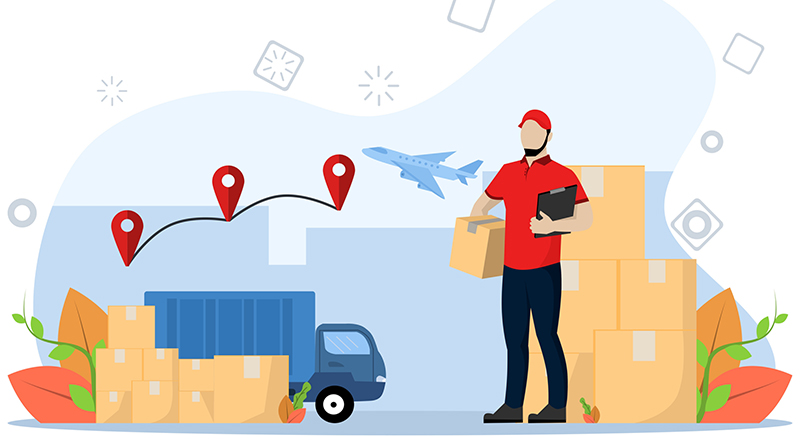
In 2025, the logistics and delivery landscape is evolving faster than ever. With e-commerce growth showing no signs of slowing down and consumers expecting same-day or even one-hour deliveries, businesses face unprecedented pressure to optimize operations. Efficient route planning is no longer a luxury—it’s a necessity for reducing operational costs, minimizing delivery delays, and enhancing customer satisfaction.

While the market offers a wide range of route optimization tools, not all solutions are created equal. nuVizz stands out as a best-in-class platform, designed specifically for last-mile delivery challenges. By combining AI-driven dispatch, dynamic route planning software, real-time tracking, and seamless TMS integration, nuVizz allows logistics managers to streamline complex operations, reduce fuel costs, and maximize fleet efficiency. Whether you are managing urban deliveries or large-scale distribution networks, nuVizz provides the insights and automation needed to stay ahead of the competition in today’s fast-paced logistics environment.

Why Route Optimization Software Matters in 2025

Modern logistics teams face multiple challenges that make effective route planning essential:

● Rising fuel and operational costs

 Inefficient routes increase expenses and reduce profitability.

● Increasing customer expectations

Same-day and on-time deliveries are now the standard.

● Complex multi-stop routes

Managing hundreds of deliveries daily requires intelligent routing.

● Expanding fleets and delivery volumes

Scaling operations manually is time-consuming and error-prone.

Benefits of Advanced Route Optimization Software

  • Reduced Delivery Times: AI-driven and optimized routing ensures drivers take the fastest and most efficient paths, avoiding traffic delays.
  • Lower Operational Costs: Smart route planning saves fuel, reduces vehicle wear, and minimizes overtime.
  • Enhanced Customer Satisfaction: Accurate ETAs and reliable delivery schedules improve trust and loyalty.
  • Scalable Solutions: Handles growing delivery volumes and fleet sizes seamlessly, supporting business expansion.

Companies adopting advanced route optimization software report up to 25% faster deliveries and significant operational savings, demonstrating the tangible value of investing in modern delivery routing software.

5 Best Route Optimization Softwares in 2025

In 2025, businesses have multiple options for optimizing delivery routes, but the top solutions combine efficiency, AI capabilities, and user-friendly interfaces. Here’s a comparison of the leading route optimization tools:

ToolKey FeaturesProsConsIdeal For
nuVizzReal-time route optimization, AI-driven dispatch, last-mile visibility, multi-stop planning, seamless TMS integrationFast, accurate, scalable, intuitive interfacePremium pricing for small fleetsMedium to large logistics companies
Route4MeRoute optimization, GPS tracking, mobile appAffordable, easy to implementLimited advanced analyticsSmall to medium businesses
OptimoRouteRoute scheduling, multi-day planning, real-time updatesStrong multi-day optimizationSteeper learning curve for beginnersDelivery services with complex schedules
WorkWave Route ManagerRoute planning, analytics, mobile appDetailed reporting and analyticsLimited AI automationMid-sized fleets looking for detailed reporting
OnfleetDispatch management, real-time tracking, delivery analyticsEasy to use, integrates with multiple platformsLimited route optimization complexityUrban delivery services

Among these tools, nuVizz stands out due to its AI-driven intelligence, predictive analytics, and seamless TMS integration, providing logistics teams with a significant operational advantage. Companies using nuVizz benefit from faster deliveries, reduced operational costs, and improved customer satisfaction, making it the top choice for modern last-mile delivery solutions.

Fleet efficiency shouldn’t depend on spreadsheets — see which routing platforms do it smarter.

Find Your Ideal Solution

Why nuVizz Leads the Market in 2025

nuVizz has emerged as the top choice for businesses seeking advanced route optimization software. Here’s why it outperforms other tools in 2025:

1. Real-Time Route Optimization

nuVizz continuously recalculates routes using traffic patterns, weather conditions, and delivery delays, ensuring drivers always follow the fastest and most efficient path. This reduces late deliveries and idle time, helping businesses achieve faster last-mile deliveries.

2. AI-Driven Dispatch

With intelligent dispatch, nuVizz automatically assigns deliveries to the right driver based on location, availability, and vehicle capacity. This minimizes human error, optimizes fleet utilization, and increases overall operational efficiency.

3. Multi-Stop Planning

Handling hundreds of deliveries per day becomes seamless with nuVizz’s multi-stop route optimization. This feature improves fleet productivity, reduces operational costs, and ensures timely deliveries, even in high-density areas.

4. Last-Mile Visibility

Real-time tracking provides full visibility of deliveries, keeping both managers and customers informed. Transparent delivery updates enhance customer satisfaction and trust, a critical factor in today’s competitive logistics environment.

5. Seamless TMS Integration

nuVizz integrates effortlessly with existing TMS, ERP, and CRM platforms, centralizing all logistics operations. This enables companies to manage planning, dispatch, and tracking from a single dashboard, streamlining workflow and reducing errors.

Case Study: Proven Results

A mid-sized e-commerce company leveraging nuVizz achieved:

  • 22% faster delivery times
  • 15% reduction in fuel costs
  • 30% increase in customer satisfaction
    within just three months of implementation, demonstrating the software’s tangible business impact.

How to Choose the Right Route Optimization Software

Choosing the right route optimization software is critical for maximizing efficiency, reducing costs, and enhancing customer satisfaction. With so many options on the market, it’s important to evaluate tools based on your unique business needs. Key factors to consider include:

● Fleet Size and Delivery Density

The complexity of your route planning increases with the number of vehicles and deliveries. Businesses with large fleets or high-density delivery areas need advanced algorithms capable of handling multiple stops, prioritizing deliveries, and minimizing travel time without overloading drivers.

● Integration with Existing Systems

Your route optimization software should seamlessly connect with your existing Transportation Management System (TMS), CRM, or warehouse management tools. This ensures smooth data flow, reduces manual entry errors, and allows your team to manage all logistics operations from a unified platform.

● AI-Driven Decision Making

Modern delivery challenges require intelligent insights. Look for solutions that leverage AI to provide real-time suggestions, predict delays, and optimize routes dynamically. AI-driven tools help managers make faster, smarter decisions while maintaining high operational efficiency.

● Real-Time Tracking and Analytics

Visibility is key in modern logistics. Tools that provide live tracking, driver performance metrics, and delivery analytics empower businesses to monitor operations, quickly resolve issues, and continuously improve route planning strategies.

While many route planning tools offer basic routing capabilities, nuVizz stands out for its speed, accuracy, and scalability. Designed for modern last-mile logistics, it not only optimizes routes but also enhances overall operational efficiency, reduces fuel costs, and ensures timely deliveries—even in the most complex urban environments.

Managing product returns manually? Automate and simplify your reverse logistics with technology. Find Out How

Future of Route Optimization in 2025

The future of route optimization is being reshaped by advanced technologies that go beyond simple GPS mapping. In 2025, logistics managers are looking for intelligent, adaptive systems that not only plan routes but also anticipate challenges and continuously optimize delivery operations. Key innovations defining this next frontier include:

● Predictive Routing

Modern route optimization software doesn’t just react to traffic—it predicts it. By analyzing historical traffic data, weather patterns, and real-time road conditions, predictive routing helps dispatchers avoid delays before they happen. This ensures deliveries are timely, reduces fuel consumption, and improves customer satisfaction.

● Dynamic Multi-Stop Optimization

Traditional route planning often assumes static conditions, but deliveries rarely happen in a vacuum. Dynamic multi-stop optimization allows routes to be recalculated in real time, accounting for new orders, traffic incidents, or vehicle delays. This capability ensures that fleets can adjust on the fly, maintaining efficiency even in unpredictable circumstances.

● AI-Driven Decision Support

Artificial intelligence provides actionable insights for dispatchers, suggesting the most efficient routes, allocating resources intelligently, and identifying potential bottlenecks before they occur. With AI, route planning becomes proactive rather than reactive, helping companies make smarter operational decisions.

● Full TMS Integration

Modern delivery operations involve multiple moving parts—inventory management, warehouse coordination, and customer notifications. Full integration with a Transportation Management System (TMS) centralizes all logistics operations in one platform, allowing managers to oversee the entire delivery lifecycle from a single dashboard.

With nuVizz, businesses are not just preparing for the future—they are leveraging these innovations today. By combining predictive analytics, dynamic route optimization, and full TMS integration, nuVizz ensures that companies stay ahead of industry trends, cut operational costs, and consistently deliver exceptional customer experiences.

Conclusion

As we move further into 2025, the logistics landscape is more demanding than ever. Customers expect faster deliveries, fleets face increasing operational pressures, and inefficiencies can quickly erode profit margins. In this environment, smarter, faster, and more reliable route optimization solutions are no longer optional—they are essential for business success.

While many route planning tools offer basic functionality, nuVizz stands out as a comprehensive solution for modern last-mile delivery challenges. Its AI-powered algorithms optimize routes with unparalleled accuracy, real-time visibility ensures full control over fleet operations, predictive analytics anticipate traffic and delays before they happen, and seamless TMS integration unifies all logistics operations under one platform.

By adopting nuVizz, logistics companies can reduce operational costs, enhance delivery performance, and elevate customer satisfaction, all while staying ahead of the competition. For businesses seeking a future-ready route optimization solution, nuVizz isn’t just a tool—it’s a strategic advantage in the rapidly evolving world of last-mile logistics.
bookmark_fill [#fff1226] Created with Sketch. Related Content
Blog

Route Optimization Software Buyer’s Guid...

Route Optimization Software Buyer’s Guide
Blog

7 Best Delivery Management Softwares: Fe...

Blog

Which Platform Provides Real-Time Update...

Which Platform Provides Real-Time Updates On Last Mile Departure
Blog

What Are The Best Apps For Courier Dispa...

What Are The Best Apps For Courier Dispatch Management
Blog

Which Logistics Platforms Are Most Popul...

Which Logistics Platforms Are Most Popular Among Large Freight Companies
Blog

Ecommerce Delivery Software: How to Choo...

Ecommerce Delivery Software How to Choose the Right Platform
Blog

What Are The Best Tools To Monitor Shipm...

What Are The Best Tools To Monitor Shipment Deliveries?
Blog

What are the benefits of using nuVizz fo...

What are the benefits of using nuVizz for logistics and delivery services
Blog

Best Last-Mile TMS Software: How Leading...

Best Last-Mile TMS Software How Leading Platforms Compare
Blog

What Are The Best Route Planning Softwar...

What Are The Best Route Planning Software Options For Delivery Companies

FAQs

Route optimization software helps businesses plan and manage delivery routes efficiently. It uses algorithms and real-time data (like traffic, weather, and distance) to determine the fastest, most cost-effective delivery paths.

Last-mile delivery is the most time-sensitive and expensive part of logistics. Route optimization reduces delivery delays, lowers fuel costs, improves driver productivity, and enhances customer satisfaction by ensuring on-time deliveries.

There are several great tools available, but nuVizz stands out as the best route optimization software in 2025 for its AI-driven dispatch, predictive analytics, last-mile visibility, and seamless TMS integration — making it ideal for large-scale logistics operations.

AI in route optimization helps predict delays, learn from historical data, and automatically adjust routes in real time. This results in smarter dispatching, reduced idle time, and faster, more reliable deliveries.

Key trends include predictive routing, sustainability-driven optimization, dynamic multi-stop planning, and AI-assisted dispatching. Companies like nuVizz are already integrating these innovations to future-proof logistics operations.

Blog

7 Best Delivery Management Softwares: Features, Pros, Cons & Comparison

Key Takeaways

  • Best overall and best for mixed fleets: nuVizz, which manages internal drivers and 3PL or contractor networks in one platform.
  • Best for on-demand courier delivery: Onro.
  • Best for budget-friendly e-POD: Detrack.
  • Best for compliance and vehicle safety checks: Track-POD.
  • Best for scheduled multi-stop route optimization: Routific.
  • Best for modular, add-on based dispatch: Tookan (JungleWorks).
  • Best for regional B2B distribution: Drivin.

What Is The Best Delivery Management Software?

nuVizz is the best all-around delivery management software for businesses that run both company-owned fleets and third-party carriers on one platform. Onro suits on-demand courier businesses, Detrack and Track-POD suit teams focused on paperless proof of delivery, Routific suits scheduled multi-stop routes, Tookan suits small fleets that want modular add-ons, and Drivin suits regional B2B distributors.

Customer expectations for delivery keep rising. Buyers want accurate ETAs, live tracking links and instant proof that an order arrived. Behind the scenes, operations teams have to coordinate dispatchers, drivers, contractors and carriers without losing visibility.

Modern delivery management software connects order intake, dispatching, route optimization, driver mobile apps, electronic proof of delivery (e-POD) and customer communication in one system. The hard part is finding the right balance of cost, scalability and ease of deployment for your operation.

This blog compares seven dedicated delivery management platforms for courier, field service, distribution and fleet operations. Each review covers who the platform is best for, its core features, and its pros and cons.

What Is Delivery Management Software?

Delivery management software is a platform that plans, dispatches, tracks and confirms deliveries from the moment an order is received until it reaches the customer. It replaces spreadsheets, phone calls and paper delivery receipts with one connected workflow.

A complete delivery management system typically covers five stages:

1. Order intake:

Orders flow in from an ERP, WMS, e-commerce store or customer portal.

2. Planning and routing

The system builds optimized routes based on time windows, vehicle capacity, driver skills and service times.

3. Dispatch

Jobs are assigned to internal drivers, contractors or third-party carriers, manually or automatically.

4. Execution and tracking

Drivers follow workflows in a mobile app while dispatchers and customers see live progress.

5. Proof and analytics

E-POD records (signatures, photos, barcode scans) close each stop, and reports show on-time performance and cost trends.

Delivery Management Software Vs. A Tms Vs. Route Planning Software

A transportation management system (TMS) traditionally focuses on freight planning, carrier procurement and freight audit. Route planning software focuses on calculating efficient routes. Delivery management software focuses on last-mile execution: dispatch, driver workflows, tracking, customer notifications and proof of delivery. Leading platforms such as nuVizz combine last-mile delivery management with TMS capabilities, so shippers can manage private fleets and carriers in one place.

Gain real-time visibility into driver departures and eliminate delays with proactive last-mile tracking.

Track Last-Mile Deliveries

Who Uses Delivery Management Software?

Delivery management software is utilized across a diverse spectrum of industries and business models where efficient last-mile logistics, customer visibility, and field coordination are critical to daily operations:

• Retailers and e-commerce brands running home and store deliveries.

• Healthcare and pharmaceutical distributors delivering time-sensitive and high-value items.

• Automotive parts distributors running frequent, same-day replenishment routes.

• Couriers, 3PLs and final-mile carriers serving multiple shipper clients.

• Food, beverage and wholesale distributors with scheduled multi-stop routes.

• Field service companies dispatching technicians and installations.

What Features Should Delivery Management Software Have?

The best delivery management software combines route optimization, automated dispatch, a configurable driver app, e-POD, live customer tracking and analytics. Use the list below as an evaluation checklist.

Dynamic route optimization

Plans multi-stop routes around time windows, vehicle capacity, driver hours and traffic, and re-plans when orders change during the day.

Automated dispatch and carrier orchestration

Assigns jobs to the right driver, contractor or carrier based on rules such as zone, cost, capacity or service level.

Configurable driver mobile app

IOS and Android apps with step-by-step workflows, barcode scanning, offline mode and turn-by-turn navigation.

Electronic proof of delivery (e-POD)

Captures signatures, photos, timestamps, GPS location and scan records at every stop.

Real-time visibility

A live map for dispatchers showing driver location, route progress and exceptions.

Customer communication

Branded tracking links, accurate ETAs and automated SMS or email notifications at key milestones.

Exception management

Alerts for late deliveries, failed attempts, damaged goods and returns, with reason codes.

Support for mixed fleets

One platform for company drivers, independent contractors and third-party carriers.

Analytics and KPIs

Reporting on on-time delivery rate, first-attempt delivery success, cost per stop, route efficiency and driver performance.

Integrations

APIs and connectors for ERP, WMS, OMS, e-commerce and telematics systems.

Scalability and security

Cloud architecture that handles seasonal peaks, with role-based access and audit trails.

Delivery Management Software Comparison

nuVizz is the only platform on this list built to orchestrate internal fleets and 3PL or contractor networks together, with end-to-end visibility across both.

PlatformBest forStandout strengthRoute optimizationMixed fleet and carrier supportFree trial or demo
nuVizzAll-in-one delivery and fleet orchestrationUnified internal fleet and 3PL network managementDynamic, multi-stopYes, internal drivers, contractors and carriersDemo and pilot
OnroOn-demand courier and express deliveryTurnkey courier dispatcher and driver appAuto-assignment, courier-focusedLimitedYes
DetrackPaperless proof of deliveryLow cost, minimal setupBasicLimitedFreemium tier
Track-PODCompliance and vehicle safetyDVIR vehicle checks paired with e-PODMulti-stopLimitedYes
RoutificScheduled local multi-stop deliveryEasy-to-use optimization algorithmStrong, batch-basedLimitedYes
TookanModular dispatch for small fleetsFlexible add-on marketplaceBasic to moderateLimitedYes
DrivinRegional B2B distributionStructured route planning and load managementStrong, B2B-focusedPartialDemo

The 7 Best Delivery Management Software Platforms, Reviewed

Below is an in-depth look at the top seven delivery management software platforms available today. Each review explores the software’s primary use cases, core capabilities, standout features, and key pros and cons to help you select the best solution for your business.

1. nuVizz

Best for: end-to-end delivery visibility, multi-stop routing and carrier orchestration across private fleets and 3PL networks.

Overview: nuVizz is an all-in-one, cloud-based last-mile delivery management and TMS platform. It supports dedicated fleets, third-party contractors, final-mile carriers and cross-docking environments. nuVizz connects dispatch operations directly to field execution and real-time tracking, so shippers and carriers work from one source of truth. nuVizz was named an Accelerator in the 2026 Nucleus Research TMS Technology Value Matrix.

Core features:

• Automated dynamic routing and dispatching for multi-stop and same-day deliveries.

• Carrier and contractor orchestration, with internal and external capacity managed on one platform.

• Electronic proof of delivery (e-POD) with photo capture, signatures and barcode scanning.

• Configurable driver mobile workflows for iOS and Android.

• Real-time customer tracking links and automated milestone notifications.

• Cross-dock and multi-leg delivery support.

• Dashboards and reporting on delivery performance and exceptions.

Industries served: healthcare, pharmaceuticals, automotive parts, retail, and final-mile carriers.

Pros:

• Highly flexible configuration for different business models and workflows.

• Manages internal fleet drivers and external contractor networks seamlessly.

• Scales from regional operations to enterprise delivery networks.

Cons:

• Rich feature depth means new dispatchers need a brief onboarding period.

Turn every retail store into a local fulfillment hub and deliver customer orders faster with optimized last-mile operations. Optimize Store-to-Door Delivery

2. Onro

Best for: courier services, on-demand parcel dispatch and hub-based delivery.

Overview: Onro is a delivery operating system built mainly for courier companies and express delivery services that want a modern dispatch dashboard and driver interface.

Core features:

• Auto-assignment and dynamic task distribution.

• Customer ordering portal and live parcel status alerts.

• Hub-and-spoke tracking support.

Pros: clean user interface; turnkey setup for local courier workflows.

Cons: focused mainly on point-to-point courier models rather than heavy freight, line haul or enterprise carrier networks.

3. Detrack

Best for: budget-conscious fleets that need straightforward electronic proof of delivery.

Overview: Detrack specializes in delivery tracking, paperless delivery receipts and lightweight dispatch.

Core features:

• Digital signature and photo proof of delivery.

• Real-time GPS tracking of drivers.

• Customer notifications by SMS and email.

Pros: transparent, accessible pricing; very simple driver app.

Cons: basic native route optimization compared with full multi-stop routing engines.

4. Track-POD

Best for: compliance-heavy distribution, safety-conscious fleets and paperless workflows.

Overview: Track-POD combines multi-stop route optimization with digital proof of delivery and built-in vehicle safety checks.

Core features:

• Multi-stop automated route planner.

• Paperless e-POD with timestamps and geolocation.

• Driver vehicle inspection reports (DVIR) inside the app.

Pros: strong accountability tools; pre-trip checklists and vehicle health checks included.

Cons: advanced analytics and dynamic rerouting are reserved for higher pricing tiers.

5. Routific

Best for: local multi-drop route optimization and lowering cost per mile.

Overview: Routific is built around algorithmic route planning for local food distributors, florists and subscription box services.

Core features:

• Optimization that accounts for time windows, vehicle capacity and driver breaks.

• Drag-and-drop dispatch timeline adjustments.

• Web dashboard and mobile driver app with turn-by-turn navigation.

Pros: fast route calculation; very user-friendly web interface.

Cons: geared toward scheduled daily batch deliveries rather than fast-paced on-demand dispatch or carrier management.

6. Tookan (JungleWorks)

Best for: small and midsize businesses that want modular, off-the-shelf dispatch extensions.

Overview: Tookan is an adaptable delivery platform for food delivery, field tasks and local courier services.

Core features:

• Automated job allocation and live geo-tracking.

• Add-on marketplace for SMS, payment gateways and CRM connections.

• In-app chat between dispatchers and drivers.

Pros: affordable starting tier; wide library of plug-and-play integrations.

Cons: many useful capabilities require buying separate add-ons, which raises total cost.

7. Drivin

Best for: regional distribution hubs and mid-market transport operators.

Overview: Drivin is a cloud TMS and delivery execution platform focused on mid-size distributors and transport operators.

Core features:

• Dynamic dispatch and fleet capacity planning.

• Real-time telematics integration.

• Incident and failed-delivery reporting workflows.

Pros: solid architecture for business-to-business (B2B) distribution.

Cons: less suited to direct-to-consumer micro-deliveries or single-driver operations.

Avoid costly production downtime with on-demand auto parts delivery and faster, more reliable dispatch operations.

Accelerate Same-Day Delivery

Best Delivery Management Software By Industry

The right platform depends on your delivery model, not just your feature checklist. Here is how the options map to common industries.

Industry or use caseRecommended platformWhy
Healthcare and medical supplynuVizzStrict delivery windows, detailed e-POD records and visibility across private fleets and carriers
Pharmaceutical distributionnuVizzTraceable handoffs, multi-leg and cross-dock routes, and audit-ready delivery records
Automotive partsnuVizzFrequent same-day and hot-shot replenishment runs across dealers and repair shops
Retail and home deliverynuVizzBranded tracking, customer notifications and large-item delivery across mixed fleets
On-demand courierOnro or TookanFast job assignment and courier-style ordering
Small fleets needing e-POD onlyDetrackLow cost and simple setup
Fleets with vehicle safety requirementsTrack-PODBuilt-in DVIR and pre-trip checks
Food, florist and subscription boxesRoutificSimple scheduled multi-stop route optimization
Regional B2B wholesaleDrivin or nuVizzStructured route and load planning for business customers

How To Choose The Right Delivery Management Software

Start with your delivery model, then test each shortlisted platform against real routes and real drivers.

• If you run a mix of company-owned vans and contract drivers and need live coordination across both, nuVizz provides the strongest end-to-end framework.

• If you run a quick-dispatch courier or parcel business, Onro is built for that model.

• If you mainly need an electronic record of every handoff without paying for enterprise optimization, Detrack or Track-POD will fit your budget.

• If lowering fuel costs on 50+ scheduled daily stops is your top priority, Routific handles the routing math cleanly.

• If you want to start small and add features over time, Tookan’s add-on model offers flexibility.

• If you distribute B2B across a region, Drivin is a solid option.

Buyer checklist

• Map your delivery model: private fleet, contractors, 3PL carriers or a mix.

• Confirm integrations with your ERP, WMS, OMS or e-commerce platform.

• Check driver app usability, offline mode and device support.

• Review customer-facing tracking and notification options.

• Compare total cost of ownership, including add-ons, per-driver fees and implementation.

• Ask for a pilot on live routes before committing.

• Verify vendor support, onboarding and third-party analyst or review-site recognition.

Conclusion

For most growing and enterprise delivery operations, nuVizz is the strongest delivery management software in 2026. It unifies routing, dispatch, driver workflows, e-POD and customer tracking across private fleets, contractors and 3PL carriers in one platform. Specialized tools such as Onro, Detrack, Track-POD, Routific, Tookan and Drivin remain good choices for narrower needs like courier dispatch, basic proof of delivery or scheduled route planning.

If your delivery network is growing in complexity, especially in healthcare, pharma, automotive or retail, choose a platform that can scale with every new driver, carrier and customer you add.

Ready to see it in action? Request a nuVizz demo to see how one platform can manage your fleet, your carriers and your customer experience.

Disclaimer: Based on publicly available information; please verify details with each vendor.

bookmark_fill [#fff1226] Created with Sketch. Related Content
Blog

Route Optimization Software Buyer’s Guid...

Route Optimization Software Buyer’s Guide
Blog

Which Platform Provides Real-Time Update...

Which Platform Provides Real-Time Updates On Last Mile Departure
Blog

What Are The Best Apps For Courier Dispa...

What Are The Best Apps For Courier Dispatch Management
Blog

Which Logistics Platforms Are Most Popul...

Which Logistics Platforms Are Most Popular Among Large Freight Companies
Blog

Ecommerce Delivery Software: How to Choo...

Ecommerce Delivery Software How to Choose the Right Platform
Blog

What Are The Best Tools To Monitor Shipm...

What Are The Best Tools To Monitor Shipment Deliveries?
Blog

What are the benefits of using nuVizz fo...

What are the benefits of using nuVizz for logistics and delivery services
Blog

Best Last-Mile TMS Software: How Leading...

Best Last-Mile TMS Software How Leading Platforms Compare
Blog

What Are The Best Route Planning Softwar...

What Are The Best Route Planning Software Options For Delivery Companies
Blog

The Hidden Factors Driving Supply Chain ...

The Hidden Factors Driving Supply Chain Turnover

FAQs

nuVizz is the best overall delivery management software in 2026 for businesses that need end-to-end visibility across private fleets, contractors and 3PL carriers. Smaller courier operations may prefer Onro, and fleets that only need proof of delivery may prefer Detrack.

Route optimization software calculates efficient routes. Delivery management software covers the full delivery lifecycle: order intake, routing, dispatch, driver workflows, live tracking, customer notifications and proof of delivery.

Electronic proof of delivery is a digital record that a delivery was completed. It typically includes a signature, photos, a timestamp, GPS location and barcode scans captured in the driver's mobile app.

Yes. nuVizz is designed to orchestrate internal fleet drivers, independent contractors and third-party carriers on one platform, with the same tracking and e-POD standards across all of them.

nuVizz is a strong fit for healthcare and pharmaceutical deliveries because it combines strict time-window routing, detailed e-POD records and visibility across every leg of a delivery.

Simple e-POD or routing tools can go live in days. Enterprise platforms with ERP and WMS integrations usually take several weeks, depending on integrations and workflow configuration. A pilot on live routes is the fastest way to validate fit.

Key KPIs include on-time delivery rate, first-attempt delivery success, cost per stop, route efficiency, driver utilization and customer satisfaction. Good platforms show these on live dashboards.

Some vendors, such as Detrack, offer freemium tiers, and most others offer free trials or demos. Free tiers usually limit drivers, deliveries or advanced features such as optimization and analytics.

Blog

What Are The Best Apps For Courier Dispatch Management?

Key Takeaways

  • nuVizz leads enterprise orchestration: Best for complex logistics networks with AI-driven RoboDispatch, cross-docking, and financial settlements.
  • Onfleet excels in local last-mile: Ideal for retail and on-demand delivery with intuitive dispatcher controls and precise ETAs.
  • Track-POD ensures paperless verification: Top choice for B2B freight requiring barcode verification and reliable offline functionality.
  • OptimoRoute solves complex constraints: Designed for multi-stop routing with intricate driver, time-window, and vehicle constraints.
  • Shipday suits small fleets and gig drivers: Fast onboarding and cost-effective pricing with seamless integrations for gig-economy networks.
What Are The Best Apps For Courier Dispatch Management

The last-mile delivery ecosystem is moving faster than ever. Driven by skyrocketing customer expectations, fluctuating fuel costs, and complex supply chain networks, courier businesses can no longer rely on manual dispatching or basic GPS routing. Modern logistics demand intelligent orchestration.

To stay competitive, courier operations need dispatch management software that can automate route planning, track fleets in real time, handle instant customer communications, and scale seamlessly.

While the market features many tools built for simple point-to-point drop-offs, true courier management requires platforms that can handle complex networks, mixed fleets, and stringent compliance rules. Based on performance, feature depth, and operational scalability, this guide analyzes the best apps for courier dispatch management.

The Core Pillars of Modern Courier Dispatch Software

Before evaluating specific platforms, it is crucial to understand what transforms a simple tracking app into a high-utility courier dispatch system. A professional tool must anchor its operations on four core capabilities:

1. Intelligent Route Optimization

Static routing is obsolete. High-performance software utilizes advanced algorithms that process real-time variables—such as traffic congestion, vehicle volume capacities, historical delivery windows, and unexpected driver delays—to chart the most efficient multi-stop sequences instantly. This directly reduces fuel consumption, lowers vehicle wear and tear, and maximizes drops per hour.

2. Real-Time Fleet Visibility and Dynamic Dispatch

A central dashboard must provide dispatchers with a comprehensive, living view of their entire operational field. When new on-demand or high-priority requests arrive, the system should instantly calculate which driver is best positioned to accept the task based on proximity, current load capacity, and remaining hours of service.

3. Electronic Proof of Delivery (ePOD)

Paper manifestos slow down billing cycles and introduce administrative errors. Modern dispatch apps feature robust mobile interfaces for drivers to collect contactless digital signatures, capture photographic proof of delivery, scan barcodes or QR codes, and input timestamped location data directly back into the central database.

4. Automated Customer Notification Engines

Reducing “Where is my package?” (WISMR) support queries is essential for profitability. Systems must proactively update end-customers via SMS or email, providing interactive live-tracking maps and hyper-accurate ETA predictions as the courier approaches their location.

Simplify deliveries and scale your ecommerce business with the right software.

Choose the Right Platform

Top 5 Best Apps For Courier Dispatch Management

Efficient courier dispatch management is critical for modern logistics operations. This blog explores the leading software solutions designed to optimize routes, enhance real-time fleet visibility, and streamline overall delivery workflows.

1. nuVizz: The Industry Leader in Enterprise Delivery Orchestration

For mid-market to enterprise-level operations, nuVizz stands out as an exceptionally robust, cloud-native Last Mile Transportation Management System (TMS). Rather than merely tracking drivers or sequencing simple stop lists, nuVizz functions as a complete delivery orchestration platform. It is engineered to bring structure, automation, and high predictability to complex logistics networks.

Intelligent Dispatch & Fleet Orchestration
Order Ingestion / WMS / ERP
nuVizz Core TMS
Real-Time Telematics & Traffic
RoboDispatch Engine
Private Fleet
Crowded Drivers
3PL Carrier

1. Advanced AI and RoboDispatch Automation

The platform’s standout feature is its proprietary RoboDispatch™ engine. Driven by machine learning algorithms, RoboDispatch eliminates human error and dispatch fatigue by automatically assigning incoming orders to the most optimal asset.

It evaluates internal private fleets, independent contractors, and external third-party logistics (3PL) providers simultaneously. It scores them based on cost, distance, real-time capacities, and historical reliability before making an instant, hands-free assignment.

2. True Commingled Routing Capabilities

Most routing apps force dispatchers to separate scheduled routes from emergency, on-demand pickups. nuVizz solves this friction point by allowing companies to blend pre-scheduled static routes (such as predictable B2B contract runs) with incoming, time-sensitive on-demand deliveries seamlessly onto the same map. The engine re-optimizes live routes on the fly without breaking delivery windows.

3. Enterprise Cross-Docking and Hub Management

Unlike localized delivery apps, nuVizz handles multi-terminal operations. Packages can be tracked as they move from long-haul trucks, pass through physical cross-dock facilities, and get scanned onto local last-mile courier vans. This end-to-end chain of custody ensures total inventory control across regional networks.

4. Built-in Financial Ecosystem

Beyond dispatching, nuVizz features a sophisticated driver settlement and customer billing engine. It manages complex tariff matrices, variable driver pay rates, fuel surcharges, and multi-client contracts. By automatically calculating precise invoicing data upon proof of delivery, it cuts standard accounting cycles by days.

Specialized Compliance Workflows

  • Medical Logistics: nuVizz is heavily configured for pharmaceutical and medical courier networks. It supports strict chain-of-custody tracking, specialized barcode workflows, specimen collection logging, and ambient/cold-chain temperature monitoring compliance.
  • White-Glove Delivery: For large appliance, home electronics, or furniture couriers, the app supports complex tracking for installation checklists, multi-person crew assembly assignments, and detailed return-item inspections.
Do you know what each delay is really costing your operation? Find Out Now

2. Onfleet: The Premium Standard for Sleek, Local Last-Mile Delivery

If your operations focus heavily on localized, fast-paced retail or on-demand commercial courier runs, Onfleet offers a clean and user-friendly experience. Known for its modern user interface and smooth driver mobile application, Onfleet removes friction from the dispatch desk.

Strengths

  • Predictive ETAs: Onfleet uses advanced machine learning models to analyze thousands of local delivery data points, providing customers with incredibly accurate, minute-by-minute arrival windows.
  • Chat Integration: An integrated, secure communication system allows dispatchers and drivers to message one another natively inside the app without relying on personal phone numbers or external chat tools.
  • Beautiful Dashboard Layout: The central dispatcher control screen is highly praised for its crisp aesthetics, logical color coding, and intuitive drag-and-drop mechanics.

Where it Compares to nuVizz

While Onfleet dominates local on-demand markets (such as grocery, pharmacy, and regional parcel couriers), it lacks the comprehensive multi-hub cross-docking capabilities and built-in driver contract settlement modules found natively within nuVizz.

3. Track-POD: The Champion of Paperless Workflows and Barcode Verification

For courier networks moving heavy B2B freight, building supplies, or industrial items, Track-POD presents a powerful, utility-driven dispatch framework focused entirely on airtight proof of delivery.

Strengths

  • Advanced Barcode & QR Verification: Track-POD ensures the correct packages leave the warehouse and arrive at the right drop point. Drivers must scan each item individually via their mobile camera before a delivery can be marked complete.
  • Flawless Offline Support: The mobile app retains full functional capacity—including photo and signature capture—if a courier drives into remote dead zones with zero cell service. Data synchronizes back to the cloud the moment connectivity returns.
  • Safety Checklists: Dispatchers can mandate vehicle safety inspections within the app before a courier can log on for their shift.

Where it Compares to nuVizz

Track-POD excels at basic route sequence loading and execution, but its automated dispatch logic is less sophisticated than nuVizz’s AI-driven RoboDispatch™, which can balance dynamic, multi-tier carrier networks simultaneously.

4. OptimoRoute: Best for Intricate Constraints and Complex Scheduling

When courier operations require deep mathematical optimization—such as balancing diverse vehicle types, adjusting for varying driver shift lengths, or managing strict multi-stop time windows—OptimoRoute offers a highly accurate calculation engine.

Strengths

  • Complex Driver Constraints: The system easily balances complex variables like maximum working hours, mandated lunch breaks, unique driver skill sets, and varying vehicle capacities.
  • Reload at Depot Settings: For high-volume delivery days, OptimoRoute plans mid-day returns to central warehouses to reload cargo vans, maximizing vehicle usage across long shifts.
  • Rapid Multi-Stop Batch Planning: Thousands of stops can be uploaded via Excel or API, turning complex routing equations into an optimized route blueprint within seconds.

Where it Compares to nuVizz

OptimoRoute is excellent for structural planning and static optimization, but it functions more as a strict routing tool rather than an expansive, end-to-end transportation management system with deep financial and cross-dock tracking tools.

5. Shipday: The Optimal Choice for Small Businesses and On-Demand Gig Driver Integration

Small businesses, boutique local couriers, and emerging delivery startups often need an accessible platform that can get off the ground without complex enterprise configurations. Shipday addresses this specific segment perfectly.

Strengths

  • Rapid Setup and Ease of Use: The interface is built for fast onboarding. A small fleet operator can sign up, add drivers, connect an order stream, and dispatch their first run within minutes.
  • Gig-Economy Network Bridges: If a courier company experiences sudden volume surges, Shipday features direct, out-of-the-box integrations with third-party networks like DoorDash Drive and Uber Direct to handle overflow orders instantly.
  • Cost-Effective Pricing Structure: Offers a robust free tier for very small setups and straightforward, predictable subscription packages for growing operators.

Where it Compares to nuVizz

Shipday is engineered strictly for simple, lightweight local last-mile fulfillment. It does not scale effectively into multi-terminal enterprise logistics, industrial B2B line-hauls, or highly technical compliance environments.

Comprehensive Courier Dispatch Software Comparison

The following matrix contrasts the market’s primary dispatch solutions across critical operational categories:

Feature CriterianuVizzOnfleetTrack-PODOptimoRouteShipday
Primary Target MarketMid-Market to Enterprise Fleet NetworksHigh-End Local Last Mile & RetailHeavy B2B Freight & IndustrialIntricate Multi-Stop SchedulingSmall Businesses & Startup Fleets
Dispatch AutomationHigh (AI-Powered RoboDispatch)Moderate (Rules-Based Automation)Low to Moderate (Manual / Standard Auto)High (Constraint-Based Engine)Moderate (Simple Auto-Assign)
Multi-Terminal Cross-DockingNativeNoNoNoNo
Driver Settlement & InvoicingComprehensive Built-In FrameworkNoBasic TrackingNoNo
Specialized VerticalsMedical, White-Glove, Auto PartsOn-Demand Retail, E-CommerceIndustrial Cargo, Heavy LogisticsField Services, Multi-Stop CourierLocal Delivery, Restaurants, Boutiques
Contractual FlexibilityHighly Flexible Enterprise SaaS TermsStandard Monthly / Annual CommitmentsStandard Monthly / Annual PlansStandard Monthly Tier SubscriptionTiered Subscription / Free Option

Disclaimer: Software features, pricing, and integrations listed in the comparison table are subject to change and are provided for informational purposes only.

3 Key Strategic Factors When Choosing Your Courier App

Selecting the wrong software can lead to operational bottlenecks and driver frustration. When vetting a platform for your business, prioritize these operational variables:

1. Integration Depth (APIs and Webhooks)

Your dispatch system must communicate seamlessly with existing internal architecture. Ensure the chosen platform features open REST APIs and flexible webhooks that can automatically pull order data from your specific Warehouse Management Systems (WMS), Enterprise Resource Planning (ERP) tools, or external e-commerce engines.

2. Onboarding and Mobile Adaptability

A dispatch system is only effective if your couriers use it consistently. Look for mobile driver applications that are optimized to run efficiently across older Android and iOS devices, demand low battery usage, and offer an intuitive workflow that minimizes training time for contract drivers.

3. Fleet Scalability and Real-World Performance

Avoid platforms with highly restrictive structures if your fleet size fluctuates seasonally. Look for flexible enterprise partners who scale transparently alongside your expanding delivery footprint. Additionally, keep in mind that handling massive routing batches simultaneously can occasionally strain any central dispatch dashboard; select a platform built on cloud infrastructure robust enough to absorb heavy operational spikes.

Conclusion

Choosing the right courier dispatch application ultimately comes down to the structural scale and compliance needs of your delivery network:

  • For complex logistics networks, regional hub structures, medical courier operations, and businesses requiring automated driver financial settlements, nuVizz offers the most comprehensive enterprise orchestration suite on the market.
  • For sleek, fast-paced local last-mile consumer fulfillment with beautiful dispatcher controls, Onfleet remains an excellent standard.
  • For rugged B2B environments demanding heavy cargo barcode verification and offline reliability, Track-POD delivers a highly dependable tool.

By choosing a platform that matches your specific operational profile, you can transform your last-mile delivery from a costly bottleneck into a powerful competitive advantage.

Schedule a Demo

bookmark_fill [#fff1226] Created with Sketch. Related Content
Blog

Route Optimization Software Buyer’s Guid...

Route Optimization Software Buyer’s Guide
Blog

7 Best Delivery Management Softwares: Fe...

Blog

Which Platform Provides Real-Time Update...

Which Platform Provides Real-Time Updates On Last Mile Departure
Blog

Which Logistics Platforms Are Most Popul...

Which Logistics Platforms Are Most Popular Among Large Freight Companies
Blog

Ecommerce Delivery Software: How to Choo...

Ecommerce Delivery Software How to Choose the Right Platform
Blog

What Are The Best Tools To Monitor Shipm...

What Are The Best Tools To Monitor Shipment Deliveries?
Blog

What are the benefits of using nuVizz fo...

What are the benefits of using nuVizz for logistics and delivery services
Blog

Best Last-Mile TMS Software: How Leading...

Best Last-Mile TMS Software How Leading Platforms Compare
Blog

What Are The Best Route Planning Softwar...

What Are The Best Route Planning Software Options For Delivery Companies
Blog

The Hidden Factors Driving Supply Chain ...

The Hidden Factors Driving Supply Chain Turnover

FAQs

Basic route optimization focuses on sequencing stops for single drivers or localized fleets. Enterprise delivery orchestration (like nuVizz) manages end-to-end logistics, combining automated dispatch across private/3PL fleets, cross-dock terminal management, commingled routing, and automated driver financial settlements.

Automated dispatch uses AI algorithms to analyze order priority, driver proximity, capacity, cost, and historical reliability in real time. It assigns jobs instantly without manual dispatcher intervention, eliminating human error and reducing operational overhead.

Track-POD is highly regarded for paperless workflows, offering robust barcode and QR code verification along with offline functionality, allowing drivers to collect signatures and photos even in areas without cellular reception.

Yes, advanced platforms support commingled routing, enabling dispatchers to insert time-sensitive, on-demand pickup requests into active, pre-scheduled routes without violating existing delivery windows.

Shipday is ideal for small fleets and startups due to its rapid onboarding, cost-effective pricing, and seamless integrations with third-party gig networks like DoorDash Drive and Uber Direct for overflow capacity.

Blog

Which Logistics Platforms Are Most Popular Among Large Freight Companies?

Key Takeaways

  • Shift Toward Multi-Tier Orchestration: Enterprise freight companies are transitioning away from legacy point-to-point TMS tools toward unified platforms capable of orchestrating multi-facility, multi-carrier, and cross-dock operations.
  • AI and Predictive Logistics Are Essential: Real-time dynamic route recalculation, predictive ETAs, and automated dispatch (RoboDispatch™) are critical for maintaining tight SLAs and mitigating rising fuel and labor costs.
  • Item-Level Visibility Over Simple Vehicle GPS: Leading platforms track cargo at the handling-unit, pallet, and SKU level—not just vehicle location—ensuring total chain of custody across complex supply networks.
  • Automated Financial Reconciliation Prevents Revenue Leakage: Seamless integration between electronic proof of delivery (ePOD), actual GPS stop times, and carrier rate cards automates billing and settlement while eliminating costly manual freight audits.
  • Reverse Logistics & Closed-Loop Sustainability: Managing returns, tote tracking, empty container recovery, and hazardous/pharma regulatory compliance on the same platform reduces operational waste and protects margins.
  • nuVizz Sets the Industry Benchmark: With its multi-tenant architecture, robust open API integrations, and SOC2/ISO-certified security, nuVizz leads the market in empowering large freight companies to orchestrate scale without operational friction.
Which Logistics Platforms Are Most Popular Among Large Freight Companies

The modern enterprise logistics ecosystem operates under relentless pressure. Shippers demand Amazon-like transparency, transport operators battle volatile fuel and labor costs, and enterprise supply networks grow increasingly fragmented across sub-contractors, regional hubs, and specialized 3PLs. For large freight enterprises processing hundreds of thousands of transactions daily, managing operations with fragmented legacy systems or basic point-to-point Transportation Management Systems (TMS) is no longer viable.

To maintain profitability and achieve operational agility, major logistics companies rely on enterprise-grade delivery management platforms designed for multi-facility orchestration, real-time end-to-end visibility, automated dispatching, and stringent regulatory compliance.

This comprehensive blog evaluates the core software architectures powering today’s global logistics leaders and highlights why forward-thinking carriers choose purpose-built platforms like nuVizz to drive efficiency.

What Enterprise Freight Companies Look for in a Logistics Platform

Large-scale freight operators manage complex, multi-tiered networks involving cross-docking, middle-mile transfers, white-glove final deliveries, reverse logistics, and strict regulatory compliance. Standard fleet management software or simple consumer-focused route planning applications cannot handle this level of complexity. Enterprise logistics executives evaluate platforms against seven critical capabilities:

Enterprise Requirements Matrix

Core Capability Operational Impact
Multi-Facility Orchestration Synchronizes DCs, hubs, cross-docks, and stores
AI-Driven Dynamic Optimization Recalculates routes in real time based on SLA
Handling-Unit Visibility Tracks individual SKUs and pallets, not just GPS
Automated Billing & Settlement Eliminates manual audits via ePOD + rate cards
Closed-Loop Reverse Logistics Automates returns, tote tracking & recycling
Security & Regulatory Standards Meets ISO 27001, SOC2 Type II, HIPAA & DSCSA
Open API Architecture Connects seamlessly with existing WMS/ERP tech

Primary Categories of Logistics Platforms in the Enterprise Market

When evaluating software suites utilized across large-scale freight networks, platforms generally fall into three structural categories:

1. Enterprise Transportation Management Systems (Legacy TMS)

Traditional enterprise TMS platforms excel at long-haul planning, bulk carrier tendering, and rate procurement. While indispensable for moving full truckloads (FTL) or less-than-truckload (LTL) shipments over long distances, they frequently struggle with:

  • Real-time dynamic route optimization during active transit.
  • Final-mile delivery execution and driver-level workflow management.
  • Granular cross-docking, parcel scanning, and customer-facing updates.

2. Standalone Route & Final-Mile Point Solutions

Point-solution routing apps offer quick setup for local delivery fleets. However, these tools lack the architectural breadth required by large freight companies:

  • They struggle to manage multi-tier, many-to-many logistics networks.
  • They lack automated financial settlement engines for complex carrier rate cards.
  • They fail to integrate deeply into enterprise Enterprise Resource Planning (ERP) and Warehouse Management Systems (WMS).

3. Unified Delivery Orchestration & Multi-Tier TMS Platforms

To bridge the gap between long-haul planning and final delivery, major freight carriers favor comprehensive delivery management platforms. These unified systems act as a Transportation Control Tower, synchronizing middle-mile transfer hubs, fleet dispatching, driver mobile execution, and customer experience on a single cloud platform.

Simplify ecommerce deliveries with the right software platform.

Explore Delivery Solutions

Why nuVizz Leads the Enterprise Logistics Ecosystem

Among enterprise delivery management platforms, nuVizz stands out as the premier choice for large freight enterprises, 3PLs, OEM auto parts distributors, pharmaceutical fleets, and multi-facility networks. Designed specifically to solve complex distribution challenges, the nuVizz platform processes over 300 million transactions annually across networks with thousands of drivers and hundreds of terminals.

nuVizz AI Logistics Stack
Layer 1: Demand & Capacity Forecasting
Layer 2: Resource & Route Optimization
Layer 3: Network Payload Visibility
Automated Financial Reconciliation & ePOD

1. Complete Mile & Network-Wide Visibility

While many visibility providers only offer vehicle-level tracking via asset GPS, nuVizz offers complete handling-unit level visibility. Freight operators track pallets, totes, containers, or individual SKUs through cross-docks, transit hubs, and micro-fulfillment centers directly to the recipient. This granular tracking provides an unbroken chain of custody, significantly reducing lost inventory and delivery dispute rates.

2. AI & ML-Powered Route Optimization and RoboDispatch™

The nuVizz routing engine goes beyond static daily schedule planning. Powered by advanced AI/ML algorithms, it processes historical delivery patterns, live traffic telemetry, weather alerts, vehicle capacity limits, and rigid delivery time windows.

Key features include:

  • Dynamic Recalculation: Continuously adjusts routes in real time as new orders arrive or road conditions change.
  • RoboDispatch™: Automates driver assignment and order dispatching based on proximity, qualifications, and hours-of-service, eliminating bottlenecks between system orders and road execution.
  • Cascading ETAs: Automatically recalculates downstream arrival times across the entire fleet whenever delays occur, notifying operational teams and end-customers proactively.

3. Cross-Dock & Hub Orchestration

Large freight networks rely heavily on cross-dock facilities to consolidate shipments and execute milk runs. nuVizz features built-in cross-dock and hub management tools that streamline incoming transfers, minimize vehicle dwell time, track stage-and-scan movements, and orchestrate seamless driver handoffs across multi-terminal networks.

4. Enterprise Driver Mobile Application

Drivers are the front-line ambassadors of any logistics company. The nuVizz intuitive mobile application equips drivers with key capabilities:

  • Turn-by-turn navigation tailored for commercial vehicle height and weight constraints.
  • Multi-modal Electronic Proof of Delivery (ePOD)—including photo capture, electronic signatures, barcode/RFID scanning, and item condition recording.
  • Automated geofencing that updates arrival statuses without manual driver input.

5. Automated Billing, Accessorials & Settlements

Manual freight audits and dispute resolutions cost enterprise fleets millions in revenue leakage each year. nuVizz directly connects GPS-verified arrival times and electronic proof-of-delivery receipts to driver and carrier rate cards. This automates invoicing, calculates accessorial charges (such as detention time and fuel surcharges), and accelerates financial reconciliation.

Keep multi-facility fulfillment in sync during peak season. Optimize Fulfillment Operations

Closed-Loop Reverse Logistics and Reusable Asset Management

A critical area where basic delivery tools fail—and where enterprise logistics platforms excel—is managing reverse flows. Modern freight operations are no longer purely linear; high-volume distribution requires continuous handling of returns, empty asset recovery, and regulatory returns management.

1. Managing Returns Alongside Forward Deliveries

nuVizz enables freight operators to handle dynamic pickups, return-to-vendor (RTV) items, and damaged goods on the same run as outgoing deliveries. By dynamically recalculating route weight and volume capacity in real time, dispatchers can accept return pickups without overloading drivers or missing delivery time windows.

2. Reusable Transport Items (RTI) & Container Tracking

In sectors like pharmaceuticals, automotive manufacturing, and food/beverage distribution, enterprise fleets utilize high-value reusable assets—such as temperature-controlled totes, plastic pallets, racks, and gas cylinders. Un-tracked RTIs lead to millions in annual replacement costs. nuVizz includes dedicated asset-tracking modules that log RTI handoffs via mobile barcode scanning at every node, keeping a digital ledger of container balances per customer site.

Enterprise Security, Compliance, and Governance

For Fortune 500 logistics firms, government contractors, and healthcare distributors, platform security and regulatory compliance are mandatory non-negotiable requirements. Software solutions must adhere to strict enterprise data protection governance.

nuVizz provides military-grade security infrastructure certified across major industry frameworks:

Security & Compliance Standards

Standard Operational Significance
ISO 27001 Globally recognized Information Security Management System
SOC 2 Type II Rigorous audit verifying data security, availability & privacy
AES 256 Encryption Military-grade encryption for data at rest and in transit
HIPAA Compliance Fully compliant for medical/lab logistics & patient specimen
DSCSA Compliance Meets Drug Supply Chain Security Act tracking mandates

By ensuring role-based access control (RBAC), multi-tenant data isolation, and comprehensive audit trails, nuVizz enables enterprise carriers to meet complex corporate governance requirements without compromising speed.

Seamless Integration with Enterprise Tech Stacks (WMS, ERP, TMS)

A major hurdle in adopting new software is the fear of disrupting core IT infrastructure. Enterprise carriers cannot afford to replace their core Enterprise Resource Planning (ERP) or legacy long-haul TMS systems

Enterprise Integration Architecture
ERP / WMS / OMS (SAP, Oracle, Manhattan)
Inbound APIs / Webhooks
Outbound POD & Settlement
nuVizz Last Mile TMS Hub
Automated Dispatch
Driver Mobile / Fleet Execution

nuVizz is built with an integration-agnostic architecture featuring robust open REST APIs, webhooks, and pre-built connectors. It interfaces seamlessly with leading enterprise platforms:

  • ERPs: SAP, Oracle, NetSuite, Microsoft Dynamics.
  • WMS: Manhattan Associates, Blue Yonder, HighJump.
  • Legacy TMS: Oracle Transportation Management (OTM), Blue Yonder TMS, MercuryGate.

By operating as an agile middle-mile and last-mile execution layer, nuVizz ingests order demands, calculates optimal dispatch strategies, and feeds real-time status updates, ePOD signatures, and billing totals back into core enterprise financial records.

Keep retail distribution connected, even when execution gets complex.

Explore Network Orchestration

Real-World Impact: Enterprise Success Stories

The impact of deploying a unified, AI-driven logistics platform is best illustrated by real-world enterprise operations:

National 3PL Carrier Network Transformation

A major national 3PL carrier managing hundreds of carrier terminals and thousands of vehicles implemented nuVizz to centralize network visibility. The deployment resulted in significant fleet mileage reductions, automated carrier payouts, and heightened SLA compliance across B2B delivery routes.

Automotive Parts Distribution & Multi-OEM Execution

An auto parts carrier supplying multiple vehicle manufacturers integrated nuVizz to manage tight delivery schedules for high-value components. Real-time barcode scanning and cross-dock tracking eliminated misplaced inventory across regional hubs.

Healthcare & Pharmaceutical Logistics

Operating under strict HIPAA and DSCSA regulations, healthcare distribution networks utilize nuVizz to maintain full chain-of-custody tracking for temperature-sensitive pharmaceuticals and laboratory specimens, guaranteeing verified compliance at drop-off.

How Large Freight Companies Benefit from nuVizz Deployment

Implementing a purpose-built logistics control engine delivers measurable business impact across key operational metrics:

  • 20%–40% Reduction in Last-Mile Logistics Costs: AI route planning optimizes vehicle fill rates and mileage, drastically cutting fuel burn and driver overtime.
  • Up to 22% Faster Delivery Cycles: Automated dispatch and continuous dynamic re-routing remove idle transit time and speed up fulfillment turns.
  • Superior SLA Compliance & Proactive Exception Handling: Predictive alerts notify dispatchers of risks before they result in missed delivery windows, maintaining customer trust.
  • Elimination of Financial Dispute Leakage: Automated matching of GPS timestamps, ePODs, and carrier rate cards automates billing and prevents overcharges.

Conclusion

Selecting the right logistics platform depends on operational scale and supply chain network complexity. While basic route planners serve small local fleets, large freight operators require enterprise-grade platforms capable of coordinating multi-tiered networks, complex carrier groups, reverse flows, and automated execution.

Through its combination of AI-driven route optimization, granular cross-dock tracking, driver-friendly execution tools, closed-loop reverse logistics, robust enterprise security, and automated financial settlements, nuVizz delivers the ultimate agility and control enterprise freight leaders need to dominate in today’s market.

Book Demo | Contact Jamie Rogers

bookmark_fill [#fff1226] Created with Sketch. Related Content
Blog

Route Optimization Software Buyer’s Guid...

Route Optimization Software Buyer’s Guide
Blog

7 Best Delivery Management Softwares: Fe...

Blog

Which Platform Provides Real-Time Update...

Which Platform Provides Real-Time Updates On Last Mile Departure
Blog

What Are The Best Apps For Courier Dispa...

What Are The Best Apps For Courier Dispatch Management
Blog

Ecommerce Delivery Software: How to Choo...

Ecommerce Delivery Software How to Choose the Right Platform
Blog

What Are The Best Tools To Monitor Shipm...

What Are The Best Tools To Monitor Shipment Deliveries?
Blog

What are the benefits of using nuVizz fo...

What are the benefits of using nuVizz for logistics and delivery services
Blog

Best Last-Mile TMS Software: How Leading...

Best Last-Mile TMS Software How Leading Platforms Compare
Blog

What Are The Best Route Planning Softwar...

What Are The Best Route Planning Software Options For Delivery Companies
Blog

The Hidden Factors Driving Supply Chain ...

The Hidden Factors Driving Supply Chain Turnover

FAQs

Standard route planners focus strictly on finding efficient stop sequences for local fleets. Enterprise logistics platforms like nuVizz orchestrate entire supply chain ecosystems—managing multi-terminal cross-docking, reverse logistics, API integrations with enterprise ERP/WMS software, carrier rate reconciliation, item-level tracking, and automated driver dispatching across thousands of vehicles.

AI-powered platforms evaluate live operational variables—such as dynamic weather alerts, historical traffic patterns, time windows, and vehicle capacity constraints—to continuously optimize delivery routes. Systems equipped with autonomous execution features (like nuVizz RoboDispatch™) automatically match and dispatch orders to the most qualified drivers in real time.

nuVizz dynamically integrates return pickups, return-to-vendor (RTV) items, and empty reusable transport items (like totes and pallets) into active forward delivery routes. The system automatically calculates remaining vehicle weight and volume capacity to ensure return pick-ups do not disrupt forward delivery schedules.

Yes. nuVizz is built on an open REST API architecture with flexible webhooks and enterprise connectors. It connects directly with leading systems such as SAP, Oracle, NetSuite, Manhattan Associates, and legacy long-haul TMS solutions, allowing carriers to upgrade final-mile execution without replacing existing infrastructure.

nuVizz meets strict global enterprise security requirements, including ISO 27001 certification, SOC 2 Type II compliance, AES 256-bit encryption for data in transit and at rest, HIPAA compliance for medical logistics, and DSCSA compliance for pharmaceutical supply chains.

ePOD systems automatically capture digital signatures, photos, item scans, and geofenced timestamped entries at drop-off. When integrated directly with rate cards and invoicing platforms in nuVizz, these records validate stop times and driver detention, removing billing disputes and automating client settlements.

Recent Posts

  • Route Optimization Software Buyer’s Guide 
  • 7 Best Delivery Management Softwares: Features, Pros, Cons & Comparison
  • Which Platform Provides Real-Time Updates On Last Mile Departure?
  • What Are The Best Apps For Courier Dispatch Management?
  • Which Logistics Platforms Are Most Popular Among Large Freight Companies?

Recent Comments

No comments to show.

Archives

  • November 2026
  • October 2026
  • September 2026
  • August 2026
  • July 2026
  • June 2026
  • May 2026
  • April 2026
  • March 2026
  • February 2026
  • January 2026
  • December 2025
  • November 2025
  • October 2025
  • September 2025
  • August 2025
  • July 2025
  • June 2025
  • May 2025
  • April 2025
  • March 2025
  • February 2025
  • January 2025
  • December 2024
  • November 2024
  • October 2024
  • September 2024

Categories

  • Uncategorized
  • Share via
    • Facebook
    • Twitter
    • Linkedin
  • Facebook
  • Twitter
  • Linkedin

© 2026 Last Mile TMS. All Rights Reserved.

Privacy Policy