LMD Logo
LMD Logo
LMD Logo
  • Benefits of Last Mile TMS
  • Features of Last Mile TMS
  • Blogs

Month: October 2024

Blog

How Last-Mile TMS Enhances Delivery Efficiency for the Healthcare Industry
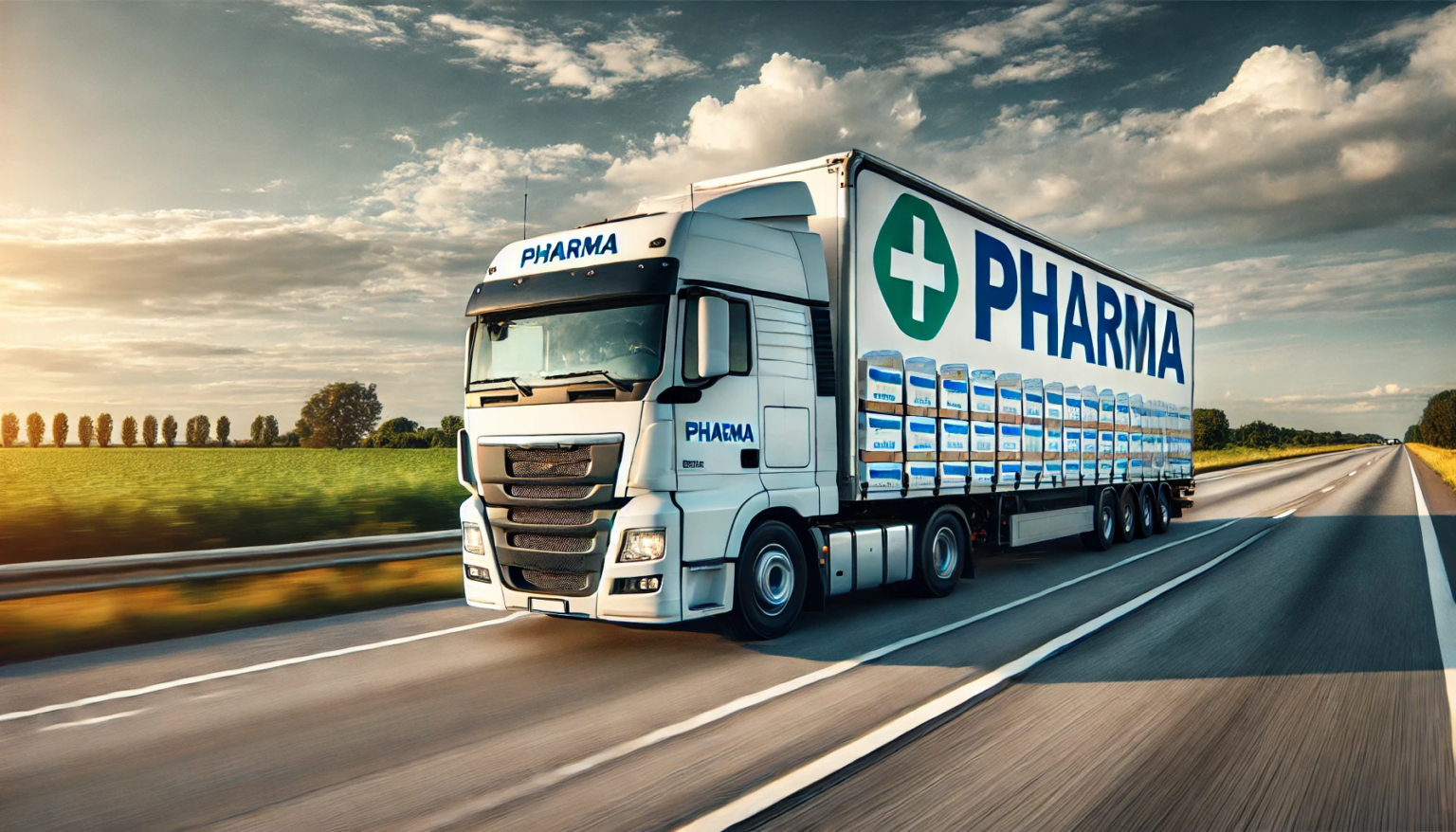
How-Last-Mile-TMS-Enhances-Delivery-Efficiency

The healthcare industry operates under strict logistics demands, where the timely delivery of medical supplies, medications, and equipment can make a life-or-death difference. As the volume and complexity of healthcare logistics grow, so does the need for solutions that enhance delivery efficiency and reliability. A Last-Mile Transportation Management System (TMS) is a vital tool in tackling these unique challenges, offering optimized routing, real-time visibility, and seamless coordination. This article explores the main logistics challenges in healthcare and how a Last-Mile TMS solution can drive efficiency, reduce costs, and ultimately improved healthcare Industry.

Logistics Challenges Faced by the Healthcare Industry

The healthcare industry’s logistics challenges are distinct due to the sensitive nature of its shipments, strict regulatory requirements, and urgent delivery timelines. Each of these challenges requires careful handling and precise management to meet the high standards of healthcare delivery.

⦁ Strict Delivery Schedules and On-Time Shipments Deliveries

In healthcare logistics, timely deliveries of medicine supplies are crucial, especially when any delay could lead to serious consequences. Withstringent schedules, healthcare providers rely on logistics solutions to ensure that essential medications reach their destinations on time. During emergencies or demand spikes—such as flu outbreaks or public health crises—the urgency for rapid and reliable deliveries is heightened. A dependable logistics system capable of handling these demands while maintaining on-time performance is essential to prevent disruptions.

⦁ Temperature Control and Compliance Requirements

Many healthcare products, including pharmaceuticals, vaccines, and biological samples, require specific temperature ranges during transport. These sensitive items need strict monitoring and control throughout the supply chain to prevent spoilage and ensure their effectiveness upon arrival. Additionally, regulatory standards, such as Good Distribution Practice (GDP), mandate proper handling, tracking, and documentation for certain medical shipments. Ensuring compliance with these standards is a complex challenge that requires both technology and precise coordination.

⦁ Inventory Management and Demand Volatility

Inventory management in healthcare involves maintaining optimal stock levels to avoid critical shortages or excessive wastage of perishable items. Demand can vary significantly, influenced by seasonal trends or public health emergencies. Balancing inventory is challenging, as under-stocking risks disruptions in care, while over-stocking can lead to costly waste. Effective inventory management strategies are necessary to ensure reliable care without incurring excess costs.

⦁ Complex Routing and Geographic Accessibility

Healthcare facilities span a wide range of locations, from bustling urban centers to remote rural areas, requiring logistics providers to navigate diverse routes. Delivering to urban hospitals can involve congestion and restricted zones, while rural clinics often require travel over long distances or difficult terrains. Planning efficient routes that account for these geographic complexities is essential to ensure timely deliveries and meet the unique accessibility needs of healthcare logistics.

⦁ Visibility and Real-Time Tracking

Visibility into every step of the logistics process is critical in healthcare, where customers need to know the precise status of shipments at all times. Lack of real-time tracking can lead to delays, lost items, or uncertainty regarding the delivery status of essential supplies. Healthcare providers rely on transparency to make informed decisions, such as rerouting shipments or notifying of delays, which makes real-time tracking a necessity in this sector.

⦁ High Cost Sensitivity and Budget Constraints

The high cost of healthcare services places significant pressure on providers to manage expenses, including logistics costs. Rising fuel prices, specialized transportation requirements, and the need for strict handling can drive up expenses. The healthcare industry must balance the need for high-quality logistics services with the imperative to keep costs under control, all while delivering medical supplies with efficiently and affordably.

How Last Mile TMS Helps Overcome These Challenges

A Last-Mile TMS provides solutions that specifically address the unique logistics demands of healthcare, from optimized routing and real-time tracking to improved inventory management and compliance features.

⦁ Optimized Route Planning

Last-Mile TMS optimizes route planning by analyzing factors such as traffic conditions, delivery priorities, and environmental data. This allows for faster, more efficient deliveries, ensuring that time-sensitive shipments arrive on time. By using data-driven route algorithms, Last Mile TMS solutions help healthcare providers minimize delays and make the best use of their resources, resulting in fuel savings and improved delivery timelines. This efficiency is particularly beneficial during demand surges or emergency situations, where timeliness is crucial.

⦁ Real-Time Tracking and Visibility

With real-time GPS tracking, a Last-Mile TMS provides continuous visibility into the location and status of shipments. Logistics managers can monitor each delivery in real-time, ensuring it stays on track and enabling them to respond quickly to potential delays or disruptions. Automated alerts also provide customers with proactive notifications about delivery times, route changes, and completed deliveries, ensuring transparency and accountability for all involved.

⦁ Enhanced Customer Experience

Last-Mile TMS also enhances the healthcare customer experience by providing real-time updates, healthcare providers, and administrative staff. Transparent communication and accurate delivery estimates build trust and allow healthcare providers to manage resources effectively. This approach ensures that healthcare facilities can maintain smooth operations, needs promptly, and foster a sense of reliability and confidence in their care.

⦁ Driver Management and Performance

A Last Mile TMS solution includes tools for tracking driver performance, such as delivery times, adherence to protocols, and safety standards. By monitoring these metrics, healthcare providers can ensure that deliveries are reliable and consistent, minimizing risks associated with late or incorrect deliveries. Additionally, a Last Mile TMS helps prevent driver fatigue by balancing workloads, which improves safety and performance across the logistics network.

⦁ Scalability and Flexibility

Healthcare logistics often faces fluctuating demand, and a Last-Mile TMS can quickly scale up or down to accommodate these variations. During emergencies or seasonal spikes, Last Mile TMS solutions handle increased delivery volumes without compromising service quality. This scalability ensures that healthcare facilities are prepared to meet demand during critical times while maintaining the flexibility to adapt to changing logistics needs in the industry.

⦁ Integration Capabilities

A Last-Mile TMS integrates seamlessly with ERP, inventory management, and other healthcare software systems, ensuring synchronized data flow and efficient operations. This compatibility allows healthcare providers to streamline their workflows, maintain accurate inventory records, and reduce manual work, thereby enhancing productivity and reducing the likelihood of errors in the supply chain.

⦁ Cost Savings

By optimizing routes, reducing fuel consumption, and automating administrative tasks, a Last-Mile TMS significantly lowers logistics costs. It also reduces the labor costs associated with manual planning and reporting, allowing healthcare providers to allocate resources to more strategic activities. This combination of savings ensures that healthcare Industries can maintain affordability while delivering high-quality service.

Conclusion

The healthcare industry requires a logistics solution that can keep pace with its complex demands. Last-Mile TMS addresses these unique challenges, from route optimization to real-time tracking, ensuring that critical supplies reach their destinations reliably and cost-effectively. By enhancing delivery efficiency, Last-Mile TMS contributes to better results, operational performance, and affordability. As healthcare logistics continues to evolve, investing in a Last-Mile TMS is an essential step for providers committed to excellence
bookmark_fill [#fff1226] Created with Sketch. Related Content
Blog

What Is E-Logistics? Why It Is Essential...

What Is E-Logistics Why It Is Essential for Modern Transportation Management in the AI Era
Blog

nuVizz vs Bringg vs Onfleet: Best Last M...

nuVizz vs Bringg vs Onfleet Best Last Mile Tracking Software Compared
Blog

Best Route Planner For Multiple Stops...

Best Route Planner For Multiple Stops
Blog

Top 5 Best Last Mile Delivery Apps for B...

Top 5 Best Last Mile Delivery Apps for Businesses
Blog

Best Transportation Management Systems (...

Best Transportation Management Systems (TMS) for Logistics Companies in 2026
Blog

How Mid-Market Carriers Are Scaling Fast...

How Mid-Market Carriers Are Scaling Faster with the Right TMS in 2026
Blog

Why Auto Parts Distributors Lose Million...

Why Auto Parts Distributors Lose Millions to Carrier Blind Spots — And How Multi-Carrier Orchestration Fixes It
Blog

Supply Chain Visibility vs. Last Mile Vi...

Supply Chain Visibility vs. Last Mile Visibility Why You Need Both
Blog

AI in Last Mile Logistics: What’s ...

AI in Last Mile Logistics What's Actually Working in 2026 (Beyond the Hype)
Blog

Your Dispatchers Are Spending 60 Minutes...

Your Dispatchers Are Spending 60 Minutes Every Morning on a Problem Software Solves in 60 Seconds

Real-time tracking ensures transparency and accountability, enabling quick responses to delays and disruptions, which is critical for the timely delivery of essential healthcare supplies.

A Last-Mile TMS uses advanced algorithms and geo-intelligent planning to determine the fastest and most fuel-efficient routes, minimizing travel time and reducing logistics costs.

Yes, Last Mile TMS can be configured to monitor compliance standards, such as temperature control and documentation, ensuring that healthcare products are delivered safely and in line with regulatory requirements.

Last-Mile TMS can integrate with ERP, inventory, and healthcare management systems to ensure seamless data flow, supporting efficient supply chain management without disrupting clinical operations.

By optimizing routes and reducing fuel and administrative costs, Last-Mile TMS lowers logistics expenses, contributing to more affordable and efficient healthcare delivery.
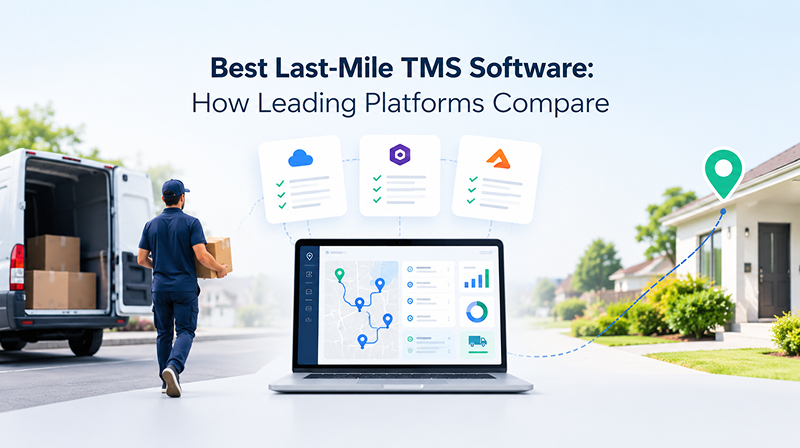
Blog

nuVizz vs Bringg vs Onfleet: Best Last Mile Tracking Software Compared

Key Takeaways

  • nuVizz is built for enterprise-scale last-mile delivery orchestration, combining visibility, dispatch automation, and carrier management in one platform.
  • Bringg excels in retail delivery ecosystems, while Onfleet is best suited for SMB and local delivery operations.
  • All three platforms offer real-time tracking and route optimization, but nuVizz provides broader operational visibility across fleets, carriers, and dispatch teams.
  • For multi-carrier delivery networks, nuVizz and Bringg offer stronger capabilities, with nuVizz delivering deeper transportation visibility and orchestration.
  • Organizations seeking end-to-end delivery execution, analytics, and scalability may find nuVizz the most comprehensive solution among the three platforms.
nuVizz vs Bringg vs Onfleet Best Last Mile Tracking Software Compared

As customer expectations for fast, transparent, and reliable deliveries continue to rise, businesses are increasingly investing in last-mile tracking software to improve delivery visibility, optimize routes, and enhance customer experiences.

Among the most recognized platforms in this space are nuVizz, Bringg, and Onfleet. While all three solutions provide real-time delivery tracking and route optimization capabilities, they serve different operational needs and business models.

  • nuVizz focuses on enterprise-grade last-mile orchestration, transportation visibility, and carrier management.
  • Bringg specializes in retail delivery orchestration and multi-carrier delivery ecosystems.
  • Onfleet is designed for SMB and mid-market delivery operations seeking ease of use and rapid deployment.

This comparison evaluates each platform across key capabilities including real-time tracking, route optimization, carrier management, customer experience, analytics, and scalability.

Quick Comparison: nuVizz vs Bringg vs Onfleet

CategorynuVizzBringgOnfleet
Best ForEnterprise last-mile orchestrationRetail delivery orchestrationSMB delivery operations
Real-Time Tracking✓✓✓
Route Optimization✓✓✓
Multi-Carrier Management✓✓Limited
Dispatch AutomationAdvancedAdvancedStandard
Customer Notifications✓✓✓
Proof of Delivery✓✓✓
ScalabilityEnterpriseEnterpriseSMB-Mid Market
Transportation VisibilityStrongModerateLimited
Carrier ManagementStrongStrongLimited

Key Difference

Organizations managing complex delivery networks often require more than route optimization and customer tracking. They need visibility across fleets, carriers, dispatch operations, and delivery workflows. This is where nuVizz differentiates itself by combining delivery orchestration, carrier management, and real-time visibility within a single platform.

Wasting hours on manual route planning?

Find the best tool

Platform Overview

nuVizz is a comprehensive last-mile transportation management platform designed to help enterprises optimize route planning, improve delivery visibility, automate dispatch operations, and enhance customer experiences. Its scalable, AI-driven capabilities make it a strong choice for organizations managing complex delivery networks across multiple industries. 

nuVizz

Best For

  • Enterprise logistics operations
  • Retail distribution
  • Healthcare logistics
  • Food and beverage distribution
  • Third-party logistics providers (3PLs)

Key Capabilities

CapabilityDescription
Route OptimizationAI-driven route planning and optimization
Real-Time VisibilityEnd-to-end delivery visibility across fleets and carriers
Carrier ManagementUnified carrier orchestration and monitoring
Dispatch AutomationIntelligent dispatch and execution workflows
AnalyticsDelivery performance and operational reporting

What Makes nuVizz Different?

Unlike many delivery tracking solutions that focus primarily on routing or customer notifications, nuVizz combines transportation visibility, delivery execution, and carrier orchestration into a unified last-mile ecosystem.

Bringg

Best For

  • Retailers
  • E-commerce businesses
  • Multi-carrier delivery networks

Key Capabilities

CapabilityDescription
Delivery OrchestrationRetail-focused delivery workflows
Carrier ManagementMulti-carrier coordination
Customer ExperienceDelivery promise management and tracking
Delivery Network ManagementRetail delivery ecosystem optimization

Onfleet

Best For

  • Courier companies
  • Local delivery providers
  • Regional distribution operations
  • SMB delivery teams

Key Capabilities

CapabilityDescription
Driver ManagementMobile driver application
Route PlanningAutomated route optimization
Customer TrackingReal-time delivery tracking
Delivery ConfirmationElectronic proof of delivery

Feature Comparison: nuVizz vs Bringg vs Onfleet

Choosing the right last-mile delivery platform requires evaluating how well each solution supports visibility, routing, automation, scalability, and customer experience. The comparison below highlights how nuVizz, Bringg, and Onfleet perform across key capabilities that logistics teams rely on to optimize operations and deliver exceptional service. 

Real-Time Delivery Tracking and Visibility

Real-time visibility is one of the most important capabilities for modern delivery operations.

FeaturenuVizzBringgOnfleet
Live GPS Tracking✓✓✓
Predictive ETAs✓✓✓
Customer Tracking Portal✓✓✓
Delivery Status Updates✓✓✓
Multi-Carrier Visibility✓✓Limited
Operational Visibility✓ModerateLimited

Why nuVizz Stands Out

nuVizz extends visibility beyond driver tracking by providing a broader operational view across fleets, carriers, dispatch teams, and delivery workflows. This helps organizations monitor delivery execution from planning through final delivery.

Route Optimization

Efficient routing helps reduce transportation costs, improve driver productivity, and increase on-time delivery performance.

FeaturenuVizzBringgOnfleet
Route Planning✓✓✓
Dynamic Optimization✓✓✓
Automated Dispatch✓✓✓
Multi-Stop Routing✓✓✓
Fleet Optimization✓✓✓

Why nuVizz Stands Out

Route optimization in nuVizz is integrated with delivery execution, dispatch workflows, and carrier operations, enabling organizations to optimize both planning and execution.

Real‑time visibility is the backbone of modern supply chains. Explore the best solutions

Carrier Management and Delivery Orchestration

As delivery networks become increasingly complex, carrier management has become a critical capability.

FeaturenuVizzBringgOnfleet
Carrier Management✓✓Limited
Carrier Visibility✓✓Limited
Delivery Orchestration✓✓Moderate
Transportation Alignment✓LimitedLimited
Carrier Performance Monitoring✓ModerateLimited

Why nuVizz Stands Out

For enterprises managing multiple carriers, delivery partners, and transportation providers, nuVizz offers a centralized platform for orchestrating and monitoring delivery execution across the entire network.

Dispatch Automation

Dispatch efficiency directly impacts delivery speed, resource utilization, and customer satisfaction.

FeaturenuVizzBringgOnfleet
Automated Assignment✓✓✓
Dispatch WorkflowsAdvancedAdvancedStandard
Resource Optimization✓✓Limited
Intelligent Scheduling✓ModerateModerate

Why nuVizz Stands Out

nuVizz supports intelligent dispatch workflows designed to improve resource utilization and streamline delivery execution across large-scale operations.

Customer Delivery Experience

Customers increasingly expect complete visibility into the status of their deliveries.

FeaturenuVizzBringgOnfleet
Delivery Notifications✓✓✓
Branded Tracking Experience✓✓✓
Proof of Delivery✓✓✓
ETA Updates✓✓✓
Customer Communication✓✓✓

Key Difference

Bringg places significant emphasis on retail delivery experiences, while nuVizz balances customer visibility with operational efficiency, delivery execution, and carrier coordination.

Analytics and Reporting

Delivery performance analytics help organizations improve service levels and identify operational inefficiencies.

FeaturenuVizzBringgOnfleet
Delivery KPIs✓✓✓
Route Analytics✓✓✓
Carrier Analytics✓LimitedLimited
Operational Visibility✓ModerateModerate
Performance Monitoring✓✓✓

Why nuVizz Stands Out

The platform provides visibility into delivery performance, route efficiency, carrier effectiveness, and overall operational execution from a centralized dashboard.

Which Platform Should You Choose?

If You Need…Recommended Platform
Enterprise Delivery OrchestrationnuVizz
Transportation and Last-Mile VisibilitynuVizz
Multi-Carrier Delivery OperationsnuVizz
Carrier Performance MonitoringnuVizz
Retail Delivery Ecosystem ManagementBringg
Fast DeploymentOnfleet
Local Delivery OperationsOnfleet

Conclusion

Choosing the right last-mile tracking software depends on your delivery network complexity, operational requirements, and growth objectives.

PlatformBest For
nuVizzEnterprise delivery orchestration and visibility
BringgRetail delivery ecosystems
OnfleetLocal and regional delivery operations

While Bringg and Onfleet offer strong delivery management capabilities for their respective markets, organizations seeking end-to-end visibility, carrier orchestration, dispatch automation, and scalable delivery execution may find nuVizz to be the most comprehensive solution.

By bringing together transportation visibility, delivery execution, customer communication, and carrier management within a unified platform, nuVizz enables businesses to optimize last-mile operations while maintaining control across increasingly complex delivery networks.

Book A Demo

bookmark_fill [#fff1226] Created with Sketch. Related Content
Blog

What Is E-Logistics? Why It Is Essential...

What Is E-Logistics Why It Is Essential for Modern Transportation Management in the AI Era
Blog

Best Route Planner For Multiple Stops...

Best Route Planner For Multiple Stops
Blog

Top 5 Best Last Mile Delivery Apps for B...

Top 5 Best Last Mile Delivery Apps for Businesses
Blog

Best Transportation Management Systems (...

Best Transportation Management Systems (TMS) for Logistics Companies in 2026
Blog

How Mid-Market Carriers Are Scaling Fast...

How Mid-Market Carriers Are Scaling Faster with the Right TMS in 2026
Blog

Why Auto Parts Distributors Lose Million...

Why Auto Parts Distributors Lose Millions to Carrier Blind Spots — And How Multi-Carrier Orchestration Fixes It
Blog

Supply Chain Visibility vs. Last Mile Vi...

Supply Chain Visibility vs. Last Mile Visibility Why You Need Both
Blog

AI in Last Mile Logistics: What’s ...

AI in Last Mile Logistics What's Actually Working in 2026 (Beyond the Hype)
Blog

Your Dispatchers Are Spending 60 Minutes...

Your Dispatchers Are Spending 60 Minutes Every Morning on a Problem Software Solves in 60 Seconds
Blog

AI Isn’t Coming to Logistics — It&...

AI Isn't Coming to Logistics — It's Already Here

FAQs

Organizations focused on delivery orchestration, transportation visibility, and carrier management may find nuVizz better suited to their operational requirements. Bringg is often selected by retailers prioritizing customer-facing delivery experiences and multi-carrier coordination.

For enterprise organizations managing large-scale delivery networks, nuVizz offers broader orchestration, visibility, and carrier management capabilities. Onfleet is commonly used by SMB and regional delivery operations seeking simplicity and ease of deployment.

Enterprise organizations often require visibility across fleets, carriers, dispatch operations, and transportation workflows. nuVizz is designed to address these requirements through a unified delivery orchestration platform.

All three platforms provide delivery tracking capabilities. However, nuVizz extends visibility beyond delivery status updates by incorporating transportation visibility, carrier management, and operational monitoring.

Both nuVizz and Bringg support multi-carrier environments. Organizations seeking broader delivery orchestration and transportation alignment may find nuVizz a stronger fit.

Blog

Top 5 Best Last Mile Delivery Apps for Businesses

Key Takeaways

  • Discover the top 5 last mile delivery apps helping businesses improve delivery efficiency in 2026.
  • Learn how route optimization, real-time tracking, and proof of delivery streamline operations.
  • Compare leading delivery management platforms based on features, scalability, and visibility.
  • Understand the key factors businesses should evaluate when choosing a last mile delivery solution.
  • Explore why platforms like nuVizz are increasingly used for route optimization and last mile delivery management.
Top 5 Best Last Mile Delivery Apps for Businesses

The best last mile delivery apps help businesses optimize routes, track deliveries in real time, improve customer communication, and manage drivers efficiently. Organizations evaluating last mile delivery solutions often compare features such as route optimization, proof of delivery, dispatch management, analytics, and real-time visibility.

Some of the leading last mile delivery apps in 2026 include nuVizz, Onfleet, Circuit for Teams, Tookan, and Track-POD. Each platform offers unique capabilities designed to help businesses streamline delivery operations and improve customer satisfaction.

Why Last Mile Delivery Apps Matter

Last mile delivery has become one of the most important components of modern logistics. Customers expect fast, accurate, and transparent deliveries, while businesses need to control transportation costs and maximize fleet productivity.

Without the right delivery technology, companies often face challenges such as:

  • Inefficient route planning
  • Delayed deliveries
  • Limited delivery visibility
  • High fuel and labor costs
  • Customer service complaints
  • Manual dispatching processes

A modern last mile delivery app addresses these challenges through route optimization software, driver management tools, proof of delivery capabilities, and real-time tracking features.

What Features Should Businesses Look for in a Last Mile Delivery App?

Before choosing a solution, organizations should evaluate whether the platform provides:

1. Route Optimization

Advanced route optimization helps drivers complete more deliveries while reducing travel time and fuel consumption.

2. Real-Time Tracking

Dispatchers and customers benefit from live delivery visibility throughout the delivery process.

3. Electronic Proof of Delivery (ePOD)

Digital signatures, photos, and delivery confirmations help reduce disputes and improve accountability.

4. Driver Mobile App

A user-friendly driver application improves communication and operational efficiency.

5. Customer Notifications

Automated delivery updates improve customer experience and reduce support inquiries.

6. Analytics and Reporting

Businesses need access to delivery performance metrics, route efficiency data, and operational insights.

Searching for a TMS that can streamline operations, improve visibility, and reduce transportation costs? Explore the top solutions for 2026.

Explore TMS Options

Top 5 Best Last Mile Delivery Apps in 2026

As customer expectations for faster, more transparent deliveries continue to rise, businesses are increasingly investing in advanced last mile delivery solutions. The best delivery apps help organizations optimize routes, improve fleet utilization, enhance real-time visibility, and provide a superior customer experience. Below are five of the leading last mile delivery platforms in 2026 that are helping businesses streamline delivery operations and reduce logistics costs.

1. nuVizz

nuVizz is a comprehensive last mile delivery platform designed for enterprises seeking advanced route optimization, real-time visibility, transportation management, and delivery execution capabilities.

The platform supports a wide range of industries, including retail, healthcare, distribution, furniture delivery, food delivery, and third-party logistics operations.

Key capabilities include:

  • Dynamic route optimization
  • Real-time transportation visibility
  • Driver mobile applications
  • Electronic proof of delivery
  • Customer communication tools
  • Fleet management support
  • Advanced reporting and analytics
  • Multi-carrier delivery management

Organizations looking for a scalable last mile delivery platform often evaluate nuVizz because it combines route planning, dispatch management, delivery tracking, and operational visibility within a unified ecosystem.

Best for:
Enterprise logistics operations, distributors, retailers, healthcare providers, and businesses managing complex delivery networks.

2. Onfleet

Onfleet is widely used by businesses seeking delivery management and driver coordination capabilities.

Key features include:

  • Delivery tracking
  • Route planning
  • Driver communication
  • Customer notifications
  • Analytics dashboards

Best for:
Small to mid-sized delivery operations looking for a cloud-based delivery management platform.

3. Circuit for Teams

Circuit for Teams focuses on route optimization and driver productivity.

Popular features include:

  • Route sequencing
  • Driver management
  • Delivery scheduling
  • Team coordination
  • Delivery status updates

Best for:
Local delivery businesses and growing fleets.

Manual logistics planning slowing down your operations? Discover AI-powered software built to improve efficiency, visibility, and decision-making. Explore AI Solutions

4. Tookan

Tookan offers delivery management functionality that helps businesses coordinate drivers and track deliveries.

Key features include:

  • Dispatch management
  • Delivery tracking
  • Route planning
  • Customer communication
  • Driver performance monitoring

Best for:
Businesses seeking delivery workflow automation.

5. Track-POD

Track-POD is known for its electronic proof of delivery capabilities and fleet management tools.

Features include:

  • Proof of delivery
  • Route planning
  • Fleet tracking
  • Driver mobile application
  • Delivery analytics

Best for:
Organizations focused on delivery accountability and operational visibility.

Comparison Table

FeaturenuVizzOnfleetCircuit for TeamsTookanTrack-POD
Route OptimizationYesYesYesYesYes
Real-Time TrackingYesYesYesYesYes
Proof of DeliveryYesYesLimitedYesYes
Driver Mobile AppYesYesYesYesYes
Analytics & ReportingAdvancedGoodModerateGoodGood
Enterprise ScalabilityHighModerateModerateModerateModerate

How Last Mile Delivery Apps Improve Business Performance

Organizations implementing delivery routing software and last mile delivery solutions often experience benefits such as:

1. Reduced Transportation Costs

Optimized routes reduce fuel consumption and unnecessary mileage.

2. Increased Driver Productivity

Drivers spend less time navigating inefficient routes and more time completing deliveries.

3. Better Customer Experience

Real-time updates and accurate ETAs improve customer satisfaction.

4. Improved Delivery Visibility

Businesses gain better control over delivery operations through live tracking and analytics.

5. Faster Decision-Making

Operational dashboards provide insights that help managers improve performance and resource utilization.

Which Industries Use Last Mile Delivery Apps?

Last mile delivery software is commonly used across:

  • Retail and eCommerce
  • Grocery delivery
  • Healthcare logistics
  • Pharmaceutical distribution
  • Food and beverage delivery
  • Furniture delivery
  • Field service operations
  • Third-party logistics providers (3PLs)

As delivery expectations continue to rise, these industries increasingly rely on route optimization software and delivery management platforms to remain competitive.

Final Thoughts

Selecting the right last mile delivery app depends on your business size, delivery volume, operational complexity, and growth goals.

Organizations evaluating delivery routing software, route optimization tools, and transportation management solutions often consider factors such as scalability, visibility, analytics, and customer experience. Among the leading solutions available today, nuVizz stands out for businesses seeking a comprehensive platform that combines route optimization, real-time visibility, delivery execution, and operational intelligence.

As delivery operations continue to evolve in 2026 and beyond, investing in the right last mile delivery technology can help businesses improve efficiency, reduce costs, and deliver a better customer experience.

Book A Demo

bookmark_fill [#fff1226] Created with Sketch. Related Content
Blog

What Is E-Logistics? Why It Is Essential...

What Is E-Logistics Why It Is Essential for Modern Transportation Management in the AI Era
Blog

nuVizz vs Bringg vs Onfleet: Best Last M...

nuVizz vs Bringg vs Onfleet Best Last Mile Tracking Software Compared
Blog

Best Route Planner For Multiple Stops...

Best Route Planner For Multiple Stops
Blog

Best Transportation Management Systems (...

Best Transportation Management Systems (TMS) for Logistics Companies in 2026
Blog

How Mid-Market Carriers Are Scaling Fast...

How Mid-Market Carriers Are Scaling Faster with the Right TMS in 2026
Blog

Why Auto Parts Distributors Lose Million...

Why Auto Parts Distributors Lose Millions to Carrier Blind Spots — And How Multi-Carrier Orchestration Fixes It
Blog

Supply Chain Visibility vs. Last Mile Vi...

Supply Chain Visibility vs. Last Mile Visibility Why You Need Both
Blog

AI in Last Mile Logistics: What’s ...

AI in Last Mile Logistics What's Actually Working in 2026 (Beyond the Hype)
Blog

Your Dispatchers Are Spending 60 Minutes...

Your Dispatchers Are Spending 60 Minutes Every Morning on a Problem Software Solves in 60 Seconds
Blog

AI Isn’t Coming to Logistics — It&...

AI Isn't Coming to Logistics — It's Already Here

FAQs

A last mile delivery app is software that helps businesses manage the final stage of the delivery process, including route planning, dispatching, driver management, tracking, and proof of delivery.

Route optimization helps businesses reduce fuel costs, improve driver productivity, and complete more deliveries within a given timeframe.

Proof of delivery is digital confirmation that an order was successfully delivered. It may include signatures, photos, timestamps, or GPS verification.

Yes. Many delivery management platforms offer solutions suitable for small businesses, growing fleets, and enterprise organizations.

Yes. nuVizz provides last mile delivery management, route optimization, transportation visibility, dispatching, proof of delivery, and delivery analytics capabilities for businesses across multiple industries.

Recent Posts

  • What Is E-Logistics? Why It Is Essential for Modern Transportation Management in the AI Era
  • nuVizz vs Bringg vs Onfleet: Best Last Mile Tracking Software Compared
  • Best Route Planner For Multiple Stops
  • Top 5 Best Last Mile Delivery Apps for Businesses
  • Best Transportation Management Systems (TMS) for Logistics Companies in 2026

Recent Comments

No comments to show.

Archives

  • July 2026
  • June 2026
  • May 2026
  • April 2026
  • March 2026
  • February 2026
  • January 2026
  • December 2025
  • November 2025
  • October 2025
  • September 2025
  • August 2025
  • July 2025
  • June 2025
  • May 2025
  • April 2025
  • March 2025
  • February 2025
  • January 2025
  • December 2024
  • November 2024
  • October 2024
  • September 2024

Categories

  • Uncategorized
  • Share via
    • Facebook
    • Twitter
    • Linkedin
  • Facebook
  • Twitter
  • Linkedin

© 2026 Last Mile TMS. All Rights Reserved.

Privacy Policy