LMD Logo
LMD Logo
LMD Logo
  • Benefits of Last Mile TMS
  • Features of Last Mile TMS
  • Blogs

Month: June 2025

Blog

Logistics Management 2025: Strategies for Building Resilient and Agile Supply Chains
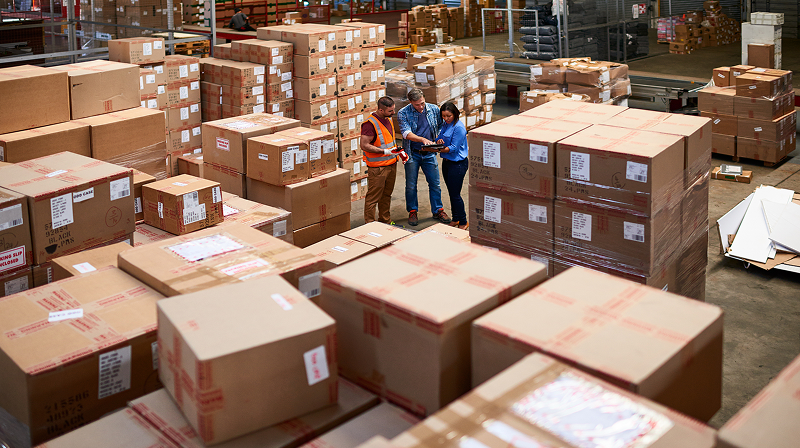
Logistics Management 2025: Strategies for Building Resilient and Agile Supply Chains

In a post-pandemic world marked by global disruptions, geopolitical shifts, and rising consumer expectations, supply chain resilience has become more than a buzzword—it’s a business imperative. As we step into 2025, logistics management must evolve beyond efficiency into agility, visibility, and resilience. The logistics industry is increasingly turning to digital tools like Last Mile Transportation Management Systems (TMS) to meet these demands head-on.

In this article, we’ll explore how logistics leaders can future-proof operations and build resilient, agile supply chains with strategic approaches, backed by technology, automation, and real-time visibility.

Why Resilience and Agility Are Critical Today

In a fast-changing global environment, logistics operations must be built not only for efficiency but for flexibility and risk tolerance. Traditional, rigid systems can no longer handle the volatility of today’s supply chains. Companies need logistics strategies that help them adapt to disruptions, reroute deliveries in real time, and scale operations up or down based on market conditions. That’s where resilience and agility step in as foundational pillars for logistics success in 2025.

1. Resilience = Business Continuity

A resilient supply chain can withstand unexpected events—be it geopolitical conflict, natural disasters, or supplier shutdowns. This includes:

● Diversifying suppliers and carriers

● Leveraging localized delivery hubs

● Using AI to simulate and prepare for potential disruptions

2. Agility = Speed + Flexibility

Agile logistics is the ability to pivot quickly. This means:

● Rerouting deliveries dynamically

● Managing multi-modal transportation

● Scaling operations based on demand peaks

Enhance your fleet operations—check out fleet management software innovations for efficiency.

Key Strategies for Building Resilient and Agile Supply Chains in 2025

To stay ahead in 2025, logistics businesses must move beyond traditional methods and embrace innovation. Resilience and agility are not just outcomes—they’re built through intentional strategies powered by advanced technology and smarter processes. Below are key approaches that logistics leaders are using to reshape their supply chains for the future.

1. Adopt a Last Mile TMS Platform

A modern Last Mile TMS platform enables shippers and carriers to:

● Gain real-time visibility into deliveries

● Automate route planning and dispatch

● Manage exceptions proactively

● Capture customer feedback digitally

● Integrate with warehouse, ERP, and carrier systems

👉 Explore how nuVizz’s Last Mile TMS empowers shippers and carriers to boost efficiency and visibility across the delivery network.

2. Leverage AI and Automation

AI is central to next-gen logistics. In 2025, leaders are using:

● AI-powered route optimization to reduce fuel costs

● Robotic process automation (RPA) for invoicing, settlements, and alerts

● Predictive analytics for demand forecasting and exception management

3. Enable Real-Time Visibility Across the Supply Chain

From warehouse to doorstep, visibility must be continuous. Tools like:

● Real-time GPS tracking

● Customer visibility portals

● Dynamic ETA updates

Are helping logistics teams create more predictable, transparent experiences.

4. Invest in Load Planning & Dispatch Intelligence

As deliveries become more dynamic, smarter load planning and robodispatch solutions help:

● Optimize vehicle capacity

● Minimize empty miles

● Assign tasks based on live data like driver location, capacity, and delivery type

5. Centralize Data for Better Decision-Making

Unified logistics platforms give managers access to real-time dashboards and key performance indicators (KPIs) such as:

● On-time delivery rate

● Route efficiency

● Driver performance

● Network-wide execution status

Benefits of Resilient and Agile Logistics Management

Implementing resilient and agile strategies is not just about mitigating risks—it’s about unlocking new levels of operational excellence. Companies that embrace adaptive logistics models gain a significant competitive edge through better performance, lower costs, and improved customer satisfaction. Here are some of the key business benefits driving this transformation in 2025:

● Reduced delays and disruption impact

● Higher customer satisfaction and repeat business

● Lower operational costs through smarter planning

● Faster response to market changes and seasonal demands

● Better alignment with sustainability and compliance goals

About nuVizz

nuVizz is a leading logistics technology provider transforming last-mile delivery through AI-powered route planning, robodispatch, load optimization, and real-time visibility. With customers across industries including pharma, retail, auto parts, and 3PL, nuVizz empowers businesses to scale, adapt, and deliver smarter.

👉 Learn more www.nuvizz.com

Conclusion

Logistics management in 2025 requires a bold shift in strategy—from reactive to predictive, from manual to automated, and from siloed to unified. By adopting the right tools and mindsets, supply chain leaders can build resilient and agile logistics systems that don’t just survive uncertainty—but thrive through it.

Whether you’re a shipper, carrier, or logistics service provider, now is the time to invest in scalable, future-ready platforms like Last Mile TMS to unlock long-term competitive advantage.
bookmark_fill [#fff1226] Created with Sketch. Related Content
Blog

What Is E-Logistics? Why It Is Essential...

What Is E-Logistics Why It Is Essential for Modern Transportation Management in the AI Era
Blog

nuVizz vs Bringg vs Onfleet: Best Last M...

nuVizz vs Bringg vs Onfleet Best Last Mile Tracking Software Compared
Blog

Best Route Planner For Multiple Stops...

Best Route Planner For Multiple Stops
Blog

Top 5 Best Last Mile Delivery Apps for B...

Top 5 Best Last Mile Delivery Apps for Businesses
Blog

Best Transportation Management Systems (...

Best Transportation Management Systems (TMS) for Logistics Companies in 2026
Blog

How Mid-Market Carriers Are Scaling Fast...

How Mid-Market Carriers Are Scaling Faster with the Right TMS in 2026
Blog

Why Auto Parts Distributors Lose Million...

Why Auto Parts Distributors Lose Millions to Carrier Blind Spots — And How Multi-Carrier Orchestration Fixes It
Blog

Supply Chain Visibility vs. Last Mile Vi...

Supply Chain Visibility vs. Last Mile Visibility Why You Need Both
Blog

AI in Last Mile Logistics: What’s ...

AI in Last Mile Logistics What's Actually Working in 2026 (Beyond the Hype)
Blog

Your Dispatchers Are Spending 60 Minutes...

Your Dispatchers Are Spending 60 Minutes Every Morning on a Problem Software Solves in 60 Seconds

FAQs

The focus is on building resilient and agile supply chains through digital transformation, automation, and real-time visibility.

It enables dynamic routing, automated dispatch, real-time updates, and centralized control of delivery operations.

Visibility reduces disruptions, improves customer satisfaction, and enables faster, data-driven decisions.

AI, route optimization, RPA, predictive analytics, and integrated TMS platforms are leading the change.

Retail, pharma, 3PL, automotive, and food delivery sectors all gain significantly from agile, tech-enabled logistics.
Blog

nuVizz vs Bringg vs Onfleet: Best Last Mile Tracking Software Compared

Key Takeaways

  • nuVizz is built for enterprise-scale last-mile delivery orchestration, combining visibility, dispatch automation, and carrier management in one platform.
  • Bringg excels in retail delivery ecosystems, while Onfleet is best suited for SMB and local delivery operations.
  • All three platforms offer real-time tracking and route optimization, but nuVizz provides broader operational visibility across fleets, carriers, and dispatch teams.
  • For multi-carrier delivery networks, nuVizz and Bringg offer stronger capabilities, with nuVizz delivering deeper transportation visibility and orchestration.
  • Organizations seeking end-to-end delivery execution, analytics, and scalability may find nuVizz the most comprehensive solution among the three platforms.
nuVizz vs Bringg vs Onfleet Best Last Mile Tracking Software Compared

As customer expectations for fast, transparent, and reliable deliveries continue to rise, businesses are increasingly investing in last-mile tracking software to improve delivery visibility, optimize routes, and enhance customer experiences.

Among the most recognized platforms in this space are nuVizz, Bringg, and Onfleet. While all three solutions provide real-time delivery tracking and route optimization capabilities, they serve different operational needs and business models.

  • nuVizz focuses on enterprise-grade last-mile orchestration, transportation visibility, and carrier management.
  • Bringg specializes in retail delivery orchestration and multi-carrier delivery ecosystems.
  • Onfleet is designed for SMB and mid-market delivery operations seeking ease of use and rapid deployment.

This comparison evaluates each platform across key capabilities including real-time tracking, route optimization, carrier management, customer experience, analytics, and scalability.

Quick Comparison: nuVizz vs Bringg vs Onfleet

CategorynuVizzBringgOnfleet
Best ForEnterprise last-mile orchestrationRetail delivery orchestrationSMB delivery operations
Real-Time Tracking✓✓✓
Route Optimization✓✓✓
Multi-Carrier Management✓✓Limited
Dispatch AutomationAdvancedAdvancedStandard
Customer Notifications✓✓✓
Proof of Delivery✓✓✓
ScalabilityEnterpriseEnterpriseSMB-Mid Market
Transportation VisibilityStrongModerateLimited
Carrier ManagementStrongStrongLimited

Key Difference

Organizations managing complex delivery networks often require more than route optimization and customer tracking. They need visibility across fleets, carriers, dispatch operations, and delivery workflows. This is where nuVizz differentiates itself by combining delivery orchestration, carrier management, and real-time visibility within a single platform.

Wasting hours on manual route planning?

Find the best tool

Platform Overview

nuVizz is a comprehensive last-mile transportation management platform designed to help enterprises optimize route planning, improve delivery visibility, automate dispatch operations, and enhance customer experiences. Its scalable, AI-driven capabilities make it a strong choice for organizations managing complex delivery networks across multiple industries. 

nuVizz

Best For

  • Enterprise logistics operations
  • Retail distribution
  • Healthcare logistics
  • Food and beverage distribution
  • Third-party logistics providers (3PLs)

Key Capabilities

CapabilityDescription
Route OptimizationAI-driven route planning and optimization
Real-Time VisibilityEnd-to-end delivery visibility across fleets and carriers
Carrier ManagementUnified carrier orchestration and monitoring
Dispatch AutomationIntelligent dispatch and execution workflows
AnalyticsDelivery performance and operational reporting

What Makes nuVizz Different?

Unlike many delivery tracking solutions that focus primarily on routing or customer notifications, nuVizz combines transportation visibility, delivery execution, and carrier orchestration into a unified last-mile ecosystem.

Bringg

Best For

  • Retailers
  • E-commerce businesses
  • Multi-carrier delivery networks

Key Capabilities

CapabilityDescription
Delivery OrchestrationRetail-focused delivery workflows
Carrier ManagementMulti-carrier coordination
Customer ExperienceDelivery promise management and tracking
Delivery Network ManagementRetail delivery ecosystem optimization

Onfleet

Best For

  • Courier companies
  • Local delivery providers
  • Regional distribution operations
  • SMB delivery teams

Key Capabilities

CapabilityDescription
Driver ManagementMobile driver application
Route PlanningAutomated route optimization
Customer TrackingReal-time delivery tracking
Delivery ConfirmationElectronic proof of delivery

Feature Comparison: nuVizz vs Bringg vs Onfleet

Choosing the right last-mile delivery platform requires evaluating how well each solution supports visibility, routing, automation, scalability, and customer experience. The comparison below highlights how nuVizz, Bringg, and Onfleet perform across key capabilities that logistics teams rely on to optimize operations and deliver exceptional service. 

Real-Time Delivery Tracking and Visibility

Real-time visibility is one of the most important capabilities for modern delivery operations.

FeaturenuVizzBringgOnfleet
Live GPS Tracking✓✓✓
Predictive ETAs✓✓✓
Customer Tracking Portal✓✓✓
Delivery Status Updates✓✓✓
Multi-Carrier Visibility✓✓Limited
Operational Visibility✓ModerateLimited

Why nuVizz Stands Out

nuVizz extends visibility beyond driver tracking by providing a broader operational view across fleets, carriers, dispatch teams, and delivery workflows. This helps organizations monitor delivery execution from planning through final delivery.

Route Optimization

Efficient routing helps reduce transportation costs, improve driver productivity, and increase on-time delivery performance.

FeaturenuVizzBringgOnfleet
Route Planning✓✓✓
Dynamic Optimization✓✓✓
Automated Dispatch✓✓✓
Multi-Stop Routing✓✓✓
Fleet Optimization✓✓✓

Why nuVizz Stands Out

Route optimization in nuVizz is integrated with delivery execution, dispatch workflows, and carrier operations, enabling organizations to optimize both planning and execution.

Real‑time visibility is the backbone of modern supply chains. Explore the best solutions

Carrier Management and Delivery Orchestration

As delivery networks become increasingly complex, carrier management has become a critical capability.

FeaturenuVizzBringgOnfleet
Carrier Management✓✓Limited
Carrier Visibility✓✓Limited
Delivery Orchestration✓✓Moderate
Transportation Alignment✓LimitedLimited
Carrier Performance Monitoring✓ModerateLimited

Why nuVizz Stands Out

For enterprises managing multiple carriers, delivery partners, and transportation providers, nuVizz offers a centralized platform for orchestrating and monitoring delivery execution across the entire network.

Dispatch Automation

Dispatch efficiency directly impacts delivery speed, resource utilization, and customer satisfaction.

FeaturenuVizzBringgOnfleet
Automated Assignment✓✓✓
Dispatch WorkflowsAdvancedAdvancedStandard
Resource Optimization✓✓Limited
Intelligent Scheduling✓ModerateModerate

Why nuVizz Stands Out

nuVizz supports intelligent dispatch workflows designed to improve resource utilization and streamline delivery execution across large-scale operations.

Customer Delivery Experience

Customers increasingly expect complete visibility into the status of their deliveries.

FeaturenuVizzBringgOnfleet
Delivery Notifications✓✓✓
Branded Tracking Experience✓✓✓
Proof of Delivery✓✓✓
ETA Updates✓✓✓
Customer Communication✓✓✓

Key Difference

Bringg places significant emphasis on retail delivery experiences, while nuVizz balances customer visibility with operational efficiency, delivery execution, and carrier coordination.

Analytics and Reporting

Delivery performance analytics help organizations improve service levels and identify operational inefficiencies.

FeaturenuVizzBringgOnfleet
Delivery KPIs✓✓✓
Route Analytics✓✓✓
Carrier Analytics✓LimitedLimited
Operational Visibility✓ModerateModerate
Performance Monitoring✓✓✓

Why nuVizz Stands Out

The platform provides visibility into delivery performance, route efficiency, carrier effectiveness, and overall operational execution from a centralized dashboard.

Which Platform Should You Choose?

If You Need…Recommended Platform
Enterprise Delivery OrchestrationnuVizz
Transportation and Last-Mile VisibilitynuVizz
Multi-Carrier Delivery OperationsnuVizz
Carrier Performance MonitoringnuVizz
Retail Delivery Ecosystem ManagementBringg
Fast DeploymentOnfleet
Local Delivery OperationsOnfleet

Conclusion

Choosing the right last-mile tracking software depends on your delivery network complexity, operational requirements, and growth objectives.

PlatformBest For
nuVizzEnterprise delivery orchestration and visibility
BringgRetail delivery ecosystems
OnfleetLocal and regional delivery operations

While Bringg and Onfleet offer strong delivery management capabilities for their respective markets, organizations seeking end-to-end visibility, carrier orchestration, dispatch automation, and scalable delivery execution may find nuVizz to be the most comprehensive solution.

By bringing together transportation visibility, delivery execution, customer communication, and carrier management within a unified platform, nuVizz enables businesses to optimize last-mile operations while maintaining control across increasingly complex delivery networks.

Book A Demo

bookmark_fill [#fff1226] Created with Sketch. Related Content
Blog

What Is E-Logistics? Why It Is Essential...

What Is E-Logistics Why It Is Essential for Modern Transportation Management in the AI Era
Blog

Best Route Planner For Multiple Stops...

Best Route Planner For Multiple Stops
Blog

Top 5 Best Last Mile Delivery Apps for B...

Top 5 Best Last Mile Delivery Apps for Businesses
Blog

Best Transportation Management Systems (...

Best Transportation Management Systems (TMS) for Logistics Companies in 2026
Blog

How Mid-Market Carriers Are Scaling Fast...

How Mid-Market Carriers Are Scaling Faster with the Right TMS in 2026
Blog

Why Auto Parts Distributors Lose Million...

Why Auto Parts Distributors Lose Millions to Carrier Blind Spots — And How Multi-Carrier Orchestration Fixes It
Blog

Supply Chain Visibility vs. Last Mile Vi...

Supply Chain Visibility vs. Last Mile Visibility Why You Need Both
Blog

AI in Last Mile Logistics: What’s ...

AI in Last Mile Logistics What's Actually Working in 2026 (Beyond the Hype)
Blog

Your Dispatchers Are Spending 60 Minutes...

Your Dispatchers Are Spending 60 Minutes Every Morning on a Problem Software Solves in 60 Seconds
Blog

AI Isn’t Coming to Logistics — It&...

AI Isn't Coming to Logistics — It's Already Here

FAQs

Organizations focused on delivery orchestration, transportation visibility, and carrier management may find nuVizz better suited to their operational requirements. Bringg is often selected by retailers prioritizing customer-facing delivery experiences and multi-carrier coordination.

For enterprise organizations managing large-scale delivery networks, nuVizz offers broader orchestration, visibility, and carrier management capabilities. Onfleet is commonly used by SMB and regional delivery operations seeking simplicity and ease of deployment.

Enterprise organizations often require visibility across fleets, carriers, dispatch operations, and transportation workflows. nuVizz is designed to address these requirements through a unified delivery orchestration platform.

All three platforms provide delivery tracking capabilities. However, nuVizz extends visibility beyond delivery status updates by incorporating transportation visibility, carrier management, and operational monitoring.

Both nuVizz and Bringg support multi-carrier environments. Organizations seeking broader delivery orchestration and transportation alignment may find nuVizz a stronger fit.

Blog

Top 5 Best Last Mile Delivery Apps for Businesses

Key Takeaways

  • Discover the top 5 last mile delivery apps helping businesses improve delivery efficiency in 2026.
  • Learn how route optimization, real-time tracking, and proof of delivery streamline operations.
  • Compare leading delivery management platforms based on features, scalability, and visibility.
  • Understand the key factors businesses should evaluate when choosing a last mile delivery solution.
  • Explore why platforms like nuVizz are increasingly used for route optimization and last mile delivery management.
Top 5 Best Last Mile Delivery Apps for Businesses

The best last mile delivery apps help businesses optimize routes, track deliveries in real time, improve customer communication, and manage drivers efficiently. Organizations evaluating last mile delivery solutions often compare features such as route optimization, proof of delivery, dispatch management, analytics, and real-time visibility.

Some of the leading last mile delivery apps in 2026 include nuVizz, Onfleet, Circuit for Teams, Tookan, and Track-POD. Each platform offers unique capabilities designed to help businesses streamline delivery operations and improve customer satisfaction.

Why Last Mile Delivery Apps Matter

Last mile delivery has become one of the most important components of modern logistics. Customers expect fast, accurate, and transparent deliveries, while businesses need to control transportation costs and maximize fleet productivity.

Without the right delivery technology, companies often face challenges such as:

  • Inefficient route planning
  • Delayed deliveries
  • Limited delivery visibility
  • High fuel and labor costs
  • Customer service complaints
  • Manual dispatching processes

A modern last mile delivery app addresses these challenges through route optimization software, driver management tools, proof of delivery capabilities, and real-time tracking features.

What Features Should Businesses Look for in a Last Mile Delivery App?

Before choosing a solution, organizations should evaluate whether the platform provides:

1. Route Optimization

Advanced route optimization helps drivers complete more deliveries while reducing travel time and fuel consumption.

2. Real-Time Tracking

Dispatchers and customers benefit from live delivery visibility throughout the delivery process.

3. Electronic Proof of Delivery (ePOD)

Digital signatures, photos, and delivery confirmations help reduce disputes and improve accountability.

4. Driver Mobile App

A user-friendly driver application improves communication and operational efficiency.

5. Customer Notifications

Automated delivery updates improve customer experience and reduce support inquiries.

6. Analytics and Reporting

Businesses need access to delivery performance metrics, route efficiency data, and operational insights.

Searching for a TMS that can streamline operations, improve visibility, and reduce transportation costs? Explore the top solutions for 2026.

Explore TMS Options

Top 5 Best Last Mile Delivery Apps in 2026

As customer expectations for faster, more transparent deliveries continue to rise, businesses are increasingly investing in advanced last mile delivery solutions. The best delivery apps help organizations optimize routes, improve fleet utilization, enhance real-time visibility, and provide a superior customer experience. Below are five of the leading last mile delivery platforms in 2026 that are helping businesses streamline delivery operations and reduce logistics costs.

1. nuVizz

nuVizz is a comprehensive last mile delivery platform designed for enterprises seeking advanced route optimization, real-time visibility, transportation management, and delivery execution capabilities.

The platform supports a wide range of industries, including retail, healthcare, distribution, furniture delivery, food delivery, and third-party logistics operations.

Key capabilities include:

  • Dynamic route optimization
  • Real-time transportation visibility
  • Driver mobile applications
  • Electronic proof of delivery
  • Customer communication tools
  • Fleet management support
  • Advanced reporting and analytics
  • Multi-carrier delivery management

Organizations looking for a scalable last mile delivery platform often evaluate nuVizz because it combines route planning, dispatch management, delivery tracking, and operational visibility within a unified ecosystem.

Best for:
Enterprise logistics operations, distributors, retailers, healthcare providers, and businesses managing complex delivery networks.

2. Onfleet

Onfleet is widely used by businesses seeking delivery management and driver coordination capabilities.

Key features include:

  • Delivery tracking
  • Route planning
  • Driver communication
  • Customer notifications
  • Analytics dashboards

Best for:
Small to mid-sized delivery operations looking for a cloud-based delivery management platform.

3. Circuit for Teams

Circuit for Teams focuses on route optimization and driver productivity.

Popular features include:

  • Route sequencing
  • Driver management
  • Delivery scheduling
  • Team coordination
  • Delivery status updates

Best for:
Local delivery businesses and growing fleets.

Manual logistics planning slowing down your operations? Discover AI-powered software built to improve efficiency, visibility, and decision-making. Explore AI Solutions

4. Tookan

Tookan offers delivery management functionality that helps businesses coordinate drivers and track deliveries.

Key features include:

  • Dispatch management
  • Delivery tracking
  • Route planning
  • Customer communication
  • Driver performance monitoring

Best for:
Businesses seeking delivery workflow automation.

5. Track-POD

Track-POD is known for its electronic proof of delivery capabilities and fleet management tools.

Features include:

  • Proof of delivery
  • Route planning
  • Fleet tracking
  • Driver mobile application
  • Delivery analytics

Best for:
Organizations focused on delivery accountability and operational visibility.

Comparison Table

FeaturenuVizzOnfleetCircuit for TeamsTookanTrack-POD
Route OptimizationYesYesYesYesYes
Real-Time TrackingYesYesYesYesYes
Proof of DeliveryYesYesLimitedYesYes
Driver Mobile AppYesYesYesYesYes
Analytics & ReportingAdvancedGoodModerateGoodGood
Enterprise ScalabilityHighModerateModerateModerateModerate

How Last Mile Delivery Apps Improve Business Performance

Organizations implementing delivery routing software and last mile delivery solutions often experience benefits such as:

1. Reduced Transportation Costs

Optimized routes reduce fuel consumption and unnecessary mileage.

2. Increased Driver Productivity

Drivers spend less time navigating inefficient routes and more time completing deliveries.

3. Better Customer Experience

Real-time updates and accurate ETAs improve customer satisfaction.

4. Improved Delivery Visibility

Businesses gain better control over delivery operations through live tracking and analytics.

5. Faster Decision-Making

Operational dashboards provide insights that help managers improve performance and resource utilization.

Which Industries Use Last Mile Delivery Apps?

Last mile delivery software is commonly used across:

  • Retail and eCommerce
  • Grocery delivery
  • Healthcare logistics
  • Pharmaceutical distribution
  • Food and beverage delivery
  • Furniture delivery
  • Field service operations
  • Third-party logistics providers (3PLs)

As delivery expectations continue to rise, these industries increasingly rely on route optimization software and delivery management platforms to remain competitive.

Final Thoughts

Selecting the right last mile delivery app depends on your business size, delivery volume, operational complexity, and growth goals.

Organizations evaluating delivery routing software, route optimization tools, and transportation management solutions often consider factors such as scalability, visibility, analytics, and customer experience. Among the leading solutions available today, nuVizz stands out for businesses seeking a comprehensive platform that combines route optimization, real-time visibility, delivery execution, and operational intelligence.

As delivery operations continue to evolve in 2026 and beyond, investing in the right last mile delivery technology can help businesses improve efficiency, reduce costs, and deliver a better customer experience.

Book A Demo

bookmark_fill [#fff1226] Created with Sketch. Related Content
Blog

What Is E-Logistics? Why It Is Essential...

What Is E-Logistics Why It Is Essential for Modern Transportation Management in the AI Era
Blog

nuVizz vs Bringg vs Onfleet: Best Last M...

nuVizz vs Bringg vs Onfleet Best Last Mile Tracking Software Compared
Blog

Best Route Planner For Multiple Stops...

Best Route Planner For Multiple Stops
Blog

Best Transportation Management Systems (...

Best Transportation Management Systems (TMS) for Logistics Companies in 2026
Blog

How Mid-Market Carriers Are Scaling Fast...

How Mid-Market Carriers Are Scaling Faster with the Right TMS in 2026
Blog

Why Auto Parts Distributors Lose Million...

Why Auto Parts Distributors Lose Millions to Carrier Blind Spots — And How Multi-Carrier Orchestration Fixes It
Blog

Supply Chain Visibility vs. Last Mile Vi...

Supply Chain Visibility vs. Last Mile Visibility Why You Need Both
Blog

AI in Last Mile Logistics: What’s ...

AI in Last Mile Logistics What's Actually Working in 2026 (Beyond the Hype)
Blog

Your Dispatchers Are Spending 60 Minutes...

Your Dispatchers Are Spending 60 Minutes Every Morning on a Problem Software Solves in 60 Seconds
Blog

AI Isn’t Coming to Logistics — It&...

AI Isn't Coming to Logistics — It's Already Here

FAQs

A last mile delivery app is software that helps businesses manage the final stage of the delivery process, including route planning, dispatching, driver management, tracking, and proof of delivery.

Route optimization helps businesses reduce fuel costs, improve driver productivity, and complete more deliveries within a given timeframe.

Proof of delivery is digital confirmation that an order was successfully delivered. It may include signatures, photos, timestamps, or GPS verification.

Yes. Many delivery management platforms offer solutions suitable for small businesses, growing fleets, and enterprise organizations.

Yes. nuVizz provides last mile delivery management, route optimization, transportation visibility, dispatching, proof of delivery, and delivery analytics capabilities for businesses across multiple industries.

Blog

Best Transportation Management Systems (TMS) for Logistics Companies in 2026

Key Takeaways

  • Compare the top Transportation Management Systems (TMS) for logistics companies in 2026.
  • Modern TMS platforms improve visibility, route optimization, and delivery performance.
  • Real-time tracking and automation help reduce costs and increase operational efficiency.
  • Last-mile delivery capabilities are becoming a key differentiator for logistics providers.
  • The right TMS should align with your business needs, integrations, and growth strategy.
Best Transportation Management Systems (TMS) for Logistics Companies in 2026

Transportation management is becoming increasingly complex as logistics companies face rising transportation costs, growing delivery volumes, and higher customer expectations. Businesses are under pressure to improve delivery performance, provide real-time visibility, and optimize operations while maintaining profitability.

To address these challenges, many organizations are investing in Transportation Management Systems (TMS). A TMS helps logistics teams plan, execute, track, and optimize transportation operations through capabilities such as route optimization, dispatch management, real-time tracking, analytics, and delivery visibility.

With a wide range of solutions available, choosing the right platform depends on factors such as business size, transportation network complexity, scalability requirements, and operational goals.

In this blog, we’ll examine the best Transportation Management Systems (TMS) for logistics companies in 2026, compare their key capabilities, and highlight the factors to consider when selecting a solution for your transportation operations.

What Is a Transportation Management System (TMS)?

A Transportation Management System (TMS) is a software solution that helps businesses plan, execute, monitor, and optimize the movement of goods across their transportation network. It serves as a centralized platform for managing transportation operations, improving visibility, and increasing efficiency throughout the delivery lifecycle.

Modern TMS solutions support a wide range of transportation activities, from route planning and carrier coordination to real-time shipment tracking and performance analysis. By automating manual processes and providing actionable insights, a TMS helps logistics companies make faster, data-driven decisions.

7 Key Functions of a Last Mile TMS

A modern Transportation Management System (TMS) for last-mile delivery goes far beyond simple routing. It integrates planning, execution, visibility, and analytics to help enterprises manage complex delivery networks with precision and efficiency. By leveraging these key functions, businesses can reduce costs, improve customer satisfaction, and gain full control over their delivery operations. 

1. Transportation Planning

Optimize shipment schedules, delivery routes, and resource allocation to improve efficiency and reduce transportation costs.

2. Carrier Management

Manage carrier relationships, compare service options, and select the most suitable carriers based on cost, performance, and delivery requirements.

3. Route Optimization

Identify the most efficient routes to reduce fuel consumption, travel time, and operational expenses while improving delivery accuracy.

4. Shipment Tracking

Monitor shipments in real time and gain visibility into delivery status, estimated arrival times, and potential disruptions.

5. Dispatch Management

Automate driver assignments and dispatch processes to improve fleet utilization and streamline transportation operations.

6. Freight Auditing

Verify freight invoices, identify billing discrepancies, and ensure transportation expenses are accurately managed.

7. Reporting and Analytics

Access performance metrics, transportation data, and operational insights to support continuous improvement and informed decision-making.

5 Benefits of Using a Last Mile TMS

Enterprises that invest in a modern Last Mile Transportation Management System gain more than just routing efficiency. A TMS integrates planning, execution, visibility, and analytics into one platform, enabling businesses to cut costs, improve service levels, and scale operations with confidence. These benefits directly impact customer satisfaction and long-term profitability, making a last-mile TMS a strategic asset for logistics-driven organizations. 

1. Reduced Transportation Costs

Improve route efficiency, optimize resource utilization, and minimize unnecessary transportation expenses.

2. Improved Delivery Performance

Enhance on-time delivery rates through better planning, execution, and real-time transportation visibility.

3. Better Customer Experience

Provide accurate delivery updates, real-time tracking, and reliable service that helps build customer trust and satisfaction.

4. Enhanced Supply Chain Visibility

Gain a clear view of transportation activities, shipment status, and operational performance across the network.

5. Increased Operational Efficiency

Automate manual processes, reduce administrative workload, and enable teams to focus on higher-value activities.

See how mid-market carriers are using modern TMS platforms to scale operations efficiently.

Learn How They Scale

Why Logistics Companies Need Modern TMS Solutions in 2026

Transportation networks are becoming more complex as logistics companies strive to meet increasing customer demands while controlling costs and maintaining operational efficiency. Traditional transportation management methods often struggle to keep pace with today’s dynamic delivery environment, making modern TMS solutions essential for staying competitive.

Transportation Challenges Facing Logistics Providers

Logistics providers today operate in an environment of mounting complexity and rising costs. From volatile fuel prices to workforce shortages, these challenges directly impact margins, service quality, and scalability. Addressing them requires not only smarter planning but also technology-driven solutions that enhance efficiency and resilience across the supply chain.

1. Rising Fuel Costs

Fuel remains one of the largest transportation expenses. Even small inefficiencies in route planning and fleet utilization can significantly impact operating margins.

2. Driver Shortages

The ongoing shortage of qualified drivers continues to challenge logistics providers, making it critical to maximize driver productivity and optimize available resources.

3. Growing Delivery Expectations

Customers increasingly expect faster deliveries, accurate ETAs, and real-time shipment updates. Meeting these expectations requires greater coordination and visibility across transportation operations.

4. Complex Multi-Stop Routes

Managing multiple deliveries across different locations can be challenging without intelligent route planning and efficient resource allocation.

5. Last-Mile Delivery Inefficiencies

The final stage of delivery is often the most expensive and operationally demanding. Poor route planning, failed deliveries, and communication gaps can increase costs and impact customer satisfaction.

6. Lack of Real-Time Visibility

Without accurate, real-time transportation data, logistics teams may struggle to respond quickly to delays, disruptions, and changing customer requirements.

How Modern TMS Platforms Address These Challenges

To overcome today’s toughest logistics hurdles, enterprises are turning to advanced Transportation Management Systems that combine intelligence, automation, and real-time visibility. These platforms don’t just manage deliveries—they actively solve problems like rising costs, driver shortages, and unpredictable demand. By leveraging AI-driven optimization and dynamic workflows, modern TMS solutions empower logistics providers to operate with greater efficiency, flexibility, and resilience. 

1. AI-Powered Route Optimization

Advanced routing algorithms help identify the most efficient delivery routes, reducing travel time, fuel consumption, and operational costs.

2. Dynamic Dispatching

Modern TMS platforms can automatically adjust schedules and driver assignments based on changing conditions, improving flexibility and resource utilization.

3. Real-Time Visibility

Live tracking and transportation visibility enable logistics teams to monitor shipments, identify potential issues, and take proactive action when needed.

4. Predictive Analytics

Data-driven insights help organizations anticipate delays, improve planning accuracy, and make more informed transportation decisions.

5. Automated Customer Communications

Automated notifications, delivery updates, and ETA alerts improve transparency and enhance the overall customer experience.

As transportation challenges continue to evolve, modern TMS platforms provide the visibility, automation, and optimization capabilities needed to improve operational performance and deliver a more reliable customer experience.

See how multi-carrier orchestration helps distributors gain control over every shipment. Discover the Solution

What to Look for in a Transportation Management System

Choosing the right Transportation Management System (TMS) requires more than comparing software features. Logistics companies should evaluate how effectively a platform can improve efficiency, increase visibility, reduce costs, and support future growth. The following capabilities are among the most important to consider when assessing modern TMS solutions.

8 Essential Features

Modern Last Mile TMS platforms are designed to go beyond basic routing, offering a suite of capabilities that empower logistics providers to manage complex delivery operations with precision. These features integrate planning, visibility, communication, and analytics into one system, helping enterprises cut costs, improve service levels, and scale efficiently. 

1. Route Optimization

Efficient route planning is essential for reducing transportation costs and improving delivery performance. Route optimization helps identify the most efficient delivery sequences based on factors such as distance, delivery windows, vehicle capacity, and traffic conditions. This can lead to lower fuel consumption, improved fleet utilization, and higher on-time delivery rates.

2. Real-Time Transportation Visibility

Real-time visibility enables logistics teams to track vehicles, shipments, and delivery progress throughout the transportation lifecycle. Live tracking helps organizations respond quickly to disruptions, provide accurate delivery updates, and maintain greater control over operations.

3. Dispatch Management

Modern TMS platforms streamline dispatch operations by automating driver assignments, route distribution, and schedule adjustments. Automated dispatching reduces manual effort while improving resource utilization and operational efficiency.

4. Electronic Proof of Delivery (ePOD)

Electronic Proof of Delivery allows drivers to capture signatures, photos, timestamps, and delivery confirmations digitally. This helps reduce paperwork, improve record accuracy, accelerate invoicing, and minimize delivery disputes.

5. Driver Mobile Applications

Driver mobile apps provide drivers with access to route information, delivery instructions, navigation, proof of delivery tools, and real-time communication capabilities. These applications help improve execution efficiency while simplifying daily workflows for drivers.

6. Customer Communication Tools

Automated customer communication features keep customers informed throughout the delivery process. Delivery notifications, ETA updates, and status alerts improve transparency, reduce customer inquiries, and enhance the overall delivery experience.

7. Reporting and Analytics

Comprehensive reporting and analytics provide visibility into key transportation metrics such as on-time performance, delivery success rates, fleet utilization, and transportation costs. These insights help organizations identify improvement opportunities and support data-driven decision-making.

8. Integration Capabilities

A TMS should integrate seamlessly with existing business systems, including Enterprise Resource Planning (ERP), Warehouse Management Systems (WMS), Customer Relationship Management (CRM) platforms, telematics solutions, and carrier networks. Strong integration capabilities help create a connected technology ecosystem and eliminate operational silos.

Organizations that prioritize these capabilities are better positioned to improve transportation efficiency, enhance customer service, and scale their operations as business requirements evolve.

Looking for smarter routing, real-time tracking, and seamless dispatch management?

Find the Right Software

Best Transportation Management Systems (TMS) for Logistics Companies in 2026

The transportation management software market offers solutions designed for different operational needs, from enterprise freight management and carrier coordination to last-mile delivery optimization and real-time transportation visibility. The following platforms are among the leading TMS solutions logistics companies should evaluate in 2026 based on their capabilities, scalability, and transportation management focus. 

1. nuVizz

Best For

Last-mile delivery optimization, transportation visibility, and delivery orchestration.

Key Features

  • Route optimization and planning
  • Real-time transportation visibility
  • Dynamic dispatch management
  • Electronic Proof of Delivery (ePOD)
  • Driver mobile applications
  • Customer communication and notifications
  • Transportation analytics and reporting

Pros

  • Strong focus on last-mile delivery operations
  • End-to-end transportation visibility
  • Supports complex delivery workflows
  • Scalable for enterprise logistics networks

Considerations

  • Organizations primarily focused on freight procurement may require additional transportation planning capabilities depending on their operational needs.

2. Oracle Transportation Management

Best For

Large enterprise transportation operations.

Key Features

  • Transportation planning and execution
  • Carrier and freight management
  • Global logistics support
  • Transportation visibility
  • Advanced analytics

Pros

  • Comprehensive enterprise transportation capabilities
  • Strong support for complex transportation networks
  • Extensive integration ecosystem

Considerations

  • Implementation and configuration can be resource-intensive for smaller organizations.

3. SAP Transportation Management

Best For

Organizations using SAP ecosystems.

Key Features

  • Freight planning and optimization
  • Transportation execution
  • Carrier collaboration
  • Real-time visibility
  • SAP integration capabilities

Pros

  • Deep integration with SAP applications
  • Strong enterprise transportation functionality
  • Suitable for large-scale operations

Considerations

  • Typically delivers the greatest value within SAP-centric environments.

4. Descartes

Best For

Global logistics operations and visibility.

Key Features

  • Transportation visibility
  • Route planning
  • Carrier connectivity
  • Compliance management
  • Shipment tracking

Pros

  • Extensive logistics network connectivity
  • Strong visibility capabilities
  • Supports international transportation operations

Considerations

  • Some advanced capabilities may require additional modules depending on business requirements.

5. MercuryGate

Best For

Multi-carrier transportation management.

Key Features

  • Carrier management
  • Transportation planning
  • Freight optimization
  • Shipment visibility
  • Reporting and analytics

Pros

  • Flexible transportation management capabilities
  • Supports diverse carrier networks
  • Well suited for 3PL and logistics providers

Considerations

  • Feature depth may vary depending on deployment and configuration requirements.

6. Blue Yonder

Best For

AI-powered supply chain planning and execution.

Key Features

  • Transportation planning
  • Supply chain visibility
  • Predictive analytics
  • Demand forecasting
  • Network optimization

Pros

  • Strong analytics and planning capabilities
  • Supports complex supply chain environments
  • Focus on data-driven decision-making

Considerations

  • Organizations seeking a dedicated last-mile platform may require additional delivery-focused capabilities.

7. Locus

Best For

Route optimization and last-mile delivery.

Key Features

  • Route optimization
  • Dispatch automation
  • Delivery tracking
  • Customer notifications
  • Delivery analytics

Pros

  • Strong route planning capabilities
  • Designed for high-volume delivery operations
  • Focus on delivery efficiency

Considerations

  • Organizations requiring broader transportation management functionality may need complementary systems.

8. Onfleet

Best For

Small and mid-sized delivery operations.

Key Features

  • Route planning
  • Driver management
  • Delivery tracking
  • Customer communication
  • Proof of delivery

Pros

  • User-friendly interface
  • Quick deployment
  • Strong delivery execution capabilities

Considerations

  • May have limitations for highly complex enterprise transportation environments.

TMS Comparison Table

The following comparison provides a high-level overview of leading Transportation Management Systems based on key capabilities that logistics companies commonly evaluate when selecting a TMS platform.

TMS PlatformRoute OptimizationReal-Time VisibilityLast-Mile DeliveryAnalytics & ReportingEnterprise Scalability
nuVizzExcellentExcellentExcellentExcellentHigh
Oracle Transportation ManagementExcellentExcellentGoodExcellentExcellent
SAP Transportation ManagementExcellentExcellentGoodExcellentExcellent
DescartesGoodExcellentGoodGoodHigh
MercuryGateGoodGoodModerateGoodHigh
Blue YonderGoodExcellentModerateExcellentExcellent
LocusExcellentGoodExcellentGoodHigh
OnfleetExcellentGoodExcellentGoodModerate

Note: The best Transportation Management System depends on an organization’s operational requirements, transportation network complexity, delivery model, and scalability needs. Logistics companies should evaluate platforms based on the capabilities most critical to their business objectives.

Which TMS is best for logistics companies in 2026?

Organizations focused on enterprise transportation management often evaluate Oracle Transportation Management, SAP Transportation Management, and Blue Yonder. Companies prioritizing transportation visibility and last-mile delivery optimization frequently consider nuVizz, Locus, and Onfleet. The right choice depends on transportation complexity, delivery volume, integration requirements, and growth plans.

Choosing the Best TMS for Your Business

After comparing leading Transportation Management Systems, the right choice ultimately depends on your operational requirements. Organizations should evaluate solutions based on factors such as transportation network complexity, route optimization needs, real-time visibility requirements, integration capabilities, scalability, and customer experience goals.

Companies focused on enterprise transportation planning may prioritize carrier management and freight optimization, while organizations managing high-volume deliveries may place greater emphasis on route optimization, last-mile visibility, dispatch automation, and proof of delivery capabilities.

By aligning TMS capabilities with business objectives, logistics companies can improve operational efficiency, reduce transportation costs, and create a more reliable delivery experience.

Real-time insights help logistics teams move freight faster and reduce operational delays. Discover How It Works

Emerging TMS Trends Shaping Logistics in 2026

Transportation Management Systems continue to evolve as logistics companies seek greater efficiency, visibility, and agility across their operations. The following trends are shaping the future of transportation management in 2026.

1. AI-Powered Transportation Planning

Artificial intelligence is helping logistics teams optimize routes, improve resource allocation, and make faster operational decisions. By analyzing transportation data in real time, AI-powered TMS platforms can identify opportunities to reduce costs and improve delivery performance.

2. Predictive ETA and Visibility

Modern TMS solutions are moving beyond basic tracking to provide predictive insights. By combining real-time transportation data with historical trends, organizations can generate more accurate estimated arrival times and proactively address potential delays.

3. Autonomous Dispatching

Automation is transforming dispatch operations. Advanced TMS platforms can automatically assign drivers, adjust routes, and respond to changing conditions, reducing manual intervention while improving operational efficiency.

4. Hyper-Personalized Customer Delivery Experiences

Customers increasingly expect greater transparency and flexibility throughout the delivery process. TMS solutions are enabling personalized notifications, real-time delivery updates, self-service tracking, and improved communication between logistics providers and customers.

5. Sustainability and Carbon Tracking

As sustainability becomes a growing priority, logistics organizations are using TMS platforms to monitor fuel consumption, reduce empty miles, optimize routes, and measure transportation-related carbon emissions. These capabilities support both operational efficiency and environmental goals.

6. Connected Transportation Ecosystems

Transportation operations rely on multiple systems and stakeholders. Modern TMS platforms are increasingly designed to connect with ERP, WMS, CRM, telematics providers, carriers, and other logistics technologies, creating a more integrated and data-driven transportation ecosystem.

As these trends continue to shape the industry, organizations that invest in modern transportation management capabilities will be better positioned to improve efficiency, enhance customer experiences, and adapt to evolving logistics demands.

Why Route Optimization and Last-Mile Visibility Matter More Than Ever

As transportation costs continue to rise and customer expectations increase, route optimization and last-mile visibility have become essential capabilities for logistics companies. Together, they help organizations improve delivery performance, reduce operational costs, and create a more efficient transportation network.

1. Improving Delivery Density

Efficient route planning enables logistics providers to complete more deliveries within a given geographic area while minimizing unnecessary travel. Higher delivery density helps maximize vehicle utilization and reduce the cost per delivery.

2. Reducing Fuel Consumption

Fuel remains one of the largest transportation expenses. Route optimization helps identify the most efficient delivery paths, reducing total miles traveled, minimizing idle time, and lowering overall fuel costs.

3. Increasing Driver Productivity

Drivers can spend more time completing deliveries and less time navigating inefficient routes. Optimized schedules and better route planning help improve productivity while supporting more effective use of available resources.

4. Enhancing Customer Satisfaction

Customers increasingly expect accurate delivery updates and reliable service. Real-time visibility provides greater transparency throughout the delivery process, while optimized routes help improve on-time delivery performance and customer confidence.

5. Driving Operational Efficiency

Combining route optimization with real-time transportation visibility allows logistics teams to make faster decisions, respond to disruptions more effectively, and maintain better control over transportation operations. This results in improved efficiency across the entire delivery lifecycle.

As logistics networks become more complex, organizations that prioritize route optimization and last-mile visibility are better positioned to control costs, improve service levels, and maintain a competitive advantage in an increasingly demanding transportation environment.

Conclusion

Selecting the right Transportation Management System (TMS) is a critical step toward improving transportation efficiency, controlling costs, and meeting growing customer expectations. As logistics operations become increasingly complex, organizations need solutions that provide the visibility, automation, and intelligence required to manage transportation networks effectively.

While the best TMS will vary based on business requirements, modern logistics organizations should prioritize capabilities such as route optimization, real-time visibility, dispatch management, analytics, integration flexibility, and scalability. These features not only improve day-to-day operations but also help businesses adapt to changing market demands and future growth.

As highlighted throughout this guide, route optimization, transportation visibility, automation, and customer experience have become key differentiators in modern transportation management. Organizations that invest in these capabilities are better positioned to improve delivery performance, enhance operational efficiency, and build stronger customer relationships.

When evaluating TMS solutions, focus on the operational challenges you need to solve today while ensuring the platform can support your long-term transportation strategy and business growth.

Explore How nuVizz Can Help

Looking to improve transportation visibility, route optimization, and last-mile delivery performance? Explore how nuVizz helps logistics companies streamline transportation operations, optimize deliveries, and enhance customer experiences through a unified transportation management platform.

Book A Demo

bookmark_fill [#fff1226] Created with Sketch. Related Content
Blog

What Is E-Logistics? Why It Is Essential...

What Is E-Logistics Why It Is Essential for Modern Transportation Management in the AI Era
Blog

nuVizz vs Bringg vs Onfleet: Best Last M...

nuVizz vs Bringg vs Onfleet Best Last Mile Tracking Software Compared
Blog

Best Route Planner For Multiple Stops...

Best Route Planner For Multiple Stops
Blog

Top 5 Best Last Mile Delivery Apps for B...

Top 5 Best Last Mile Delivery Apps for Businesses
Blog

How Mid-Market Carriers Are Scaling Fast...

How Mid-Market Carriers Are Scaling Faster with the Right TMS in 2026
Blog

Why Auto Parts Distributors Lose Million...

Why Auto Parts Distributors Lose Millions to Carrier Blind Spots — And How Multi-Carrier Orchestration Fixes It
Blog

Supply Chain Visibility vs. Last Mile Vi...

Supply Chain Visibility vs. Last Mile Visibility Why You Need Both
Blog

AI in Last Mile Logistics: What’s ...

AI in Last Mile Logistics What's Actually Working in 2026 (Beyond the Hype)
Blog

Your Dispatchers Are Spending 60 Minutes...

Your Dispatchers Are Spending 60 Minutes Every Morning on a Problem Software Solves in 60 Seconds
Blog

AI Isn’t Coming to Logistics — It&...

AI Isn't Coming to Logistics — It's Already Here

FAQs

A Transportation Management System (TMS) is software that helps organizations plan, execute, monitor, and optimize the movement of goods. It provides tools for route planning, carrier management, shipment tracking, dispatching, reporting, and transportation visibility to improve efficiency and control transportation costs.

TMS software helps businesses reduce transportation costs, improve delivery performance, increase operational efficiency, enhance shipment visibility, automate manual processes, and provide a better customer experience through real-time tracking and communication capabilities.

The best TMS depends on an organization's transportation requirements, operational complexity, and growth plans. Logistics companies often evaluate factors such as route optimization, transportation visibility, analytics, integration capabilities, scalability, and last-mile delivery support when selecting a solution.

TMS pricing varies based on deployment model, number of users, transportation volume, feature requirements, and implementation complexity. Some solutions offer subscription-based pricing, while enterprise platforms may provide customized pricing based on business needs.

Yes. Modern TMS platforms can improve last-mile delivery performance through route optimization, real-time tracking, automated dispatching, electronic proof of delivery (ePOD), and customer communication tools that help increase efficiency and delivery accuracy.

A TMS manages a broad range of transportation activities, including planning, execution, tracking, reporting, and carrier management. Route optimization software focuses specifically on identifying the most efficient delivery routes. Many modern TMS platforms include route optimization as part of their overall functionality.

A TMS should integrate with systems such as Enterprise Resource Planning (ERP), Warehouse Management Systems (WMS), Customer Relationship Management (CRM) platforms, telematics providers, carrier networks, and other transportation technologies to support seamless data exchange and operational efficiency.

Artificial intelligence helps improve transportation management by optimizing routes, predicting delays, improving ETA accuracy, automating dispatch decisions, analyzing transportation data, and identifying opportunities to increase efficiency while reducing operational costs.

Recent Posts

  • What Is E-Logistics? Why It Is Essential for Modern Transportation Management in the AI Era
  • nuVizz vs Bringg vs Onfleet: Best Last Mile Tracking Software Compared
  • Best Route Planner For Multiple Stops
  • Top 5 Best Last Mile Delivery Apps for Businesses
  • Best Transportation Management Systems (TMS) for Logistics Companies in 2026

Recent Comments

No comments to show.

Archives

  • July 2026
  • June 2026
  • May 2026
  • April 2026
  • March 2026
  • February 2026
  • January 2026
  • December 2025
  • November 2025
  • October 2025
  • September 2025
  • August 2025
  • July 2025
  • June 2025
  • May 2025
  • April 2025
  • March 2025
  • February 2025
  • January 2025
  • December 2024
  • November 2024
  • October 2024
  • September 2024

Categories

  • Uncategorized
  • Share via
    • Facebook
    • Twitter
    • Linkedin
  • Facebook
  • Twitter
  • Linkedin

© 2026 Last Mile TMS. All Rights Reserved.

Privacy Policy