LMD Logo
LMD Logo
LMD Logo
  • Benefits of Last Mile TMS
  • Features of Last Mile TMS
  • Blogs

Month: March 2025

Blog

Beyond the Warehouse: How Last Mile TMS is Shaping the Future of Delivery
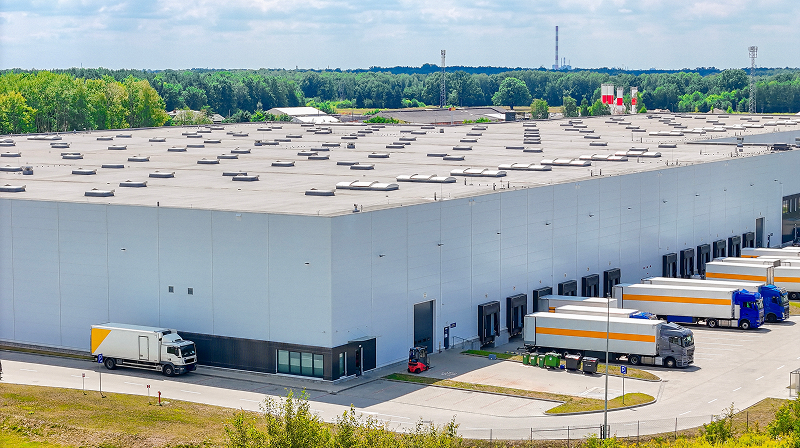
Beyond-the-Warehouse-How-Last-Mile-TMS-is-Shaping-the-Future-of-Delivery

In today’s fast-paced world of logistics, the efficiency of last-mile delivery has become a critical factor in determining customer satisfaction and operational success. Traditionally, businesses focused on warehousing and freight transportation, but the real challenge lies in how efficiently deliveries reach the customer’s doorstep.

The Last Mile Transportation Management System (TMS) is revolutionizing logistics beyond the warehouse by optimizing routes, automating dispatching, improving real-time tracking, and enhancing fleet management. As industries like e-commerce, pharmaceuticals, food delivery, and retail face increasing demands for faster and more transparent deliveries, Last Mile TMS has become the backbone of modern logistics.

This blog explores how Last Mile TMS is shaping the future of delivery, overcoming last-mile challenges, integrating emerging technologies, and future-proofing logistics operations.

The Challenges of Last-Mile Delivery

Last-mile delivery remains one of the most expensive and complex stages of logistics. Despite advancements in supply chain management, businesses still struggle with inefficiencies in costs, routing, visibility, and customer satisfaction.

1. Rising Last-Mile Costs

Last-mile delivery accounts for 53% of total shipping expenses (Capgemini Research). Inefficient routes, fuel consumption, and multiple delivery stops make this stage highly expensive compared to other transportation processes.

2. Customer Expectations for Speed and Transparency

With Amazon, Walmart, and other retail giants offering same-day and next-day delivery, customers now expect their orders to arrive faster. Lack of real-time tracking, inaccurate ETAs, and failed deliveries result in poor customer experience and increased customer service queries.

3. Traffic Congestion and Route Optimization Challenges

Urban areas face significant traffic congestion, which slows down deliveries. Without dynamic route optimization, delivery vehicles often spend extra time on the road, leading to delays and higher operational costs.

4. Inefficiencies in Dispatch and Load Planning

Manual dispatching and poor fleet utilization result in unoptimized delivery schedules. Businesses struggle to assign the right vehicles, balance load capacities, and minimize empty miles.

5. Scalability and Demand Fluctuations

Seasonal demand spikes, such as during Black Friday, Christmas, and holiday sales, put immense pressure on delivery fleets. Traditional logistics models lack the flexibility to handle fluctuating demand efficiently.

Case Study: Amazon’s AI-Powered Last-Mile Logistics

Amazon leverages AI-driven route optimization and automated dispatching, reducing last-mile delivery costs by 20%. Their logistics network adjusts in real-time based on traffic conditions, weather, and demand forecasting, ensuring faster and more efficient deliveries.

How Last Mile TMS is Future-Proofing Delivery Operations

Last Mile TMS addresses these challenges by leveraging AI, automation, and real-time tracking to create a seamless, cost-effective delivery ecosystem. Businesses using AI-powered TMS solutions see improved efficiency, reduced operational costs, and increased customer satisfaction.

1. AI-Powered Route Optimization

By leveraging machine learning and predictive analytics, Last Mile TMS optimizes delivery routes in real time. It considers traffic patterns, weather conditions, and historical delivery data to minimize delays and fuel consumption.

Example: A leading grocery delivery company reduced its delivery time by 30% using AI-powered route optimization, ensuring fresher produce deliveries.

2. Automated Load Dispatch and Scheduling

Last Mile TMS enables automated dispatching, where orders are assigned to the most suitable vehicles and drivers based on location, load, and delivery priority.

Example: A medical courier service reduced dispatching errors by 90% after implementing AI-driven Last Mile TMS, ensuring timely pharmaceutical deliveries.

3. Real-Time Tracking and Visibility

With real-time GPS tracking, businesses and customers get accurate ETAs, reducing missed deliveries and WISMO (Where Is My Order?) queries.

Example: A furniture retailer using Last Mile TMS with real-time tracking reduced customer complaints by 40%, improving delivery transparency.

4. Fleet Utilization and Cost Reduction

AI-driven load balancing ensures that vehicles operate at optimal capacity, reducing empty miles and fleet inefficiencies.

Example: A B2B wholesaler using Last Mile TMS reduced fleet costs by 25%, improving delivery density and minimizing fuel wastage.

5. Scalability and Adaptability for Demand Peaks

During peak shopping seasons, Last Mile TMS scales on-demand, ensuring seamless deliveries without overburdening logistics teams.

Example: A retail company handling Black Friday orders scaled up deliveries by 3X using a cloud-based Last Mile TMS, without increasing operational costs.

Speed Up Your Deliveries – Discover how route optimization enhances last-mile TMS for efficiency. Read more

Technologies Shaping the Future of Last Mile TMS

The logistics industry is undergoing a technological transformation with advancements in AI, IoT, blockchain, and automation. These innovations are significantly improving efficiency, security, and cost savings in last-mile delivery, helping businesses streamline operations while enhancing customer satisfaction.

1. Artificial Intelligence (AI) and Machine Learning (ML)

AI & ML are revolutionizing last-mile logistics by predicting demand surges and optimizing resource allocation. AI-powered algorithms analyze real- time data to adjust pricing dynamically, ensuring cost effective deliveries. By integrating machine learning, logistics providers can anticipate traffic patterns, weather conditions, and package volumes, allowing for smarter routing decisions and faster deliveries.

2. The Internet of Things (IoT) and smart sensors

IoT & smart sensors are playing a crucial role in tracking shipments and maintaining product quality, especially for temperature-sensitive deliveries like pharmaceuticals and perishable goods. IoT-enabled sensors provide real-time temperature and humidity monitoring, ensuring products remain within the required conditions throughout transit. For instance, a leading pharmaceutical company reduced temperature-sensitive shipment failures by 50% by implementing IoT-integrated Last Mile TMS, ensuring compliance with safety regulations and reducing waste.

3. Robotics and warehouse automation

Robotics & warehouse automation are enhancing operational efficiency by automating sorting, packing, and dispatching processes. Logistics providers are integrating robotic arms, automated conveyors, and AI-powered order fulfillment systems to speed up processing and minimize human errors. A great example of this is DHL’s smart warehouses, which utilize robotic automation to reduce order processing time by 60%, allowing for quicker deliveries and improved accuracy in fulfillment operations.

4. Blockchain technology

Blockchain technology is transforming last-mile logistics by enhancing security, transparency, and fraud prevention. With blockchain-based tracking, shipment data is securely stored in a tamper-proof ledger, providing real-time updates on package movements. This ensures greater accountability and eliminates discrepancies in order fulfillment. A global shipping company that adopted blockchain-powered delivery tracking saw an 80% reduction in shipment discrepancies, improving trust and efficiency in its logistics network.

5. Autonomous vehicles and drones

Autonomous vehicles & drones are set to redefine last-mile delivery by reducing reliance on manual drivers and increasing speed in urban and rural areas. AI- powered self-driving vehicles and delivery drones are being tested to enhance delivery efficiency, cut down costs, and overcome last-mile road congestion challenges. Companies like FedEx and UPS have already begun experimenting with autonomous delivery bots, leading to a 40% reduction in last-mile delivery costs. As these technologies continue to evolve, businesses will be able to meet rising customer expectations for faster, more reliable deliveries while maintaining cost efficiency.

Stay in Control of Your Deliveries – Learn how real-time tracking ensures on-time and transparent last mile operations. Explore now

These cutting-edge innovations are shaping the future of Last Mile TMS, driving efficiency, improving sustainability, and preparing logistics networks for the challenges of an on-demand economy. Businesses that integrate these technologies will not only optimize last-mile deliveries but also gain a significant competitive advantage in the logistics sector.

The Future of Last Mile Logistics: What’s Next?

With technology evolving rapidly, the future of Last Mile TMS is set to introduce further efficiency, automation, and sustainability.

● Sustainable Last-Mile Solutions

EV fleets and green logistics initiatives.

● Dynamic Pricing for Deliveries

AI-powered cost adjustments based on traffic and demand.

● Stronger Integrations

Seamless TMS-WMS connections for faster order fulfillment.

Conclusion

The last-mile delivery landscape is evolving, and AI-powered Last Mile TMS solutions are reshaping logistics beyond the warehouse. With automated dispatching, route optimization, real-time tracking, and IoT-powered visibility, businesses can achieve cost reductions, improved efficiency, and enhanced customer satisfaction.

Companies that adopt Last Mile TMS today will gain a competitive edge, scale operations seamlessly, and meet the growing demand for faster, transparent, and sustainable deliveries.
bookmark_fill [#fff1226] Created with Sketch. Related Content
Blog

What Is E-Logistics? Why It Is Essential...

What Is E-Logistics Why It Is Essential for Modern Transportation Management in the AI Era
Blog

nuVizz vs Bringg vs Onfleet: Best Last M...

nuVizz vs Bringg vs Onfleet Best Last Mile Tracking Software Compared
Blog

Best Route Planner For Multiple Stops...

Best Route Planner For Multiple Stops
Blog

Top 5 Best Last Mile Delivery Apps for B...

Top 5 Best Last Mile Delivery Apps for Businesses
Blog

Best Transportation Management Systems (...

Best Transportation Management Systems (TMS) for Logistics Companies in 2026
Blog

How Mid-Market Carriers Are Scaling Fast...

How Mid-Market Carriers Are Scaling Faster with the Right TMS in 2026
Blog

Why Auto Parts Distributors Lose Million...

Why Auto Parts Distributors Lose Millions to Carrier Blind Spots — And How Multi-Carrier Orchestration Fixes It
Blog

Supply Chain Visibility vs. Last Mile Vi...

Supply Chain Visibility vs. Last Mile Visibility Why You Need Both
Blog

AI in Last Mile Logistics: What’s ...

AI in Last Mile Logistics What's Actually Working in 2026 (Beyond the Hype)
Blog

Your Dispatchers Are Spending 60 Minutes...

Your Dispatchers Are Spending 60 Minutes Every Morning on a Problem Software Solves in 60 Seconds

FAQs

Last Mile TMS is a cloud-based logistics platform that optimizes routing, dispatch, tracking, and fleet management to improve delivery efficiency.

It reduces delivery time, fuel consumption, and operational inefficiencies using AI-driven automation and real-time tracking.

Industries like e-commerce, retail, 3PL, healthcare, auto parts, and food logistics gain the most.

Yes. It optimizes fleet utilization, prevents failed deliveries, and automates dispatching, cutting costs by up to 30%.

The future includes AI-powered predictive deliveries, drone logistics, blockchain for security, and sustainable last-mile transportation.
Blog

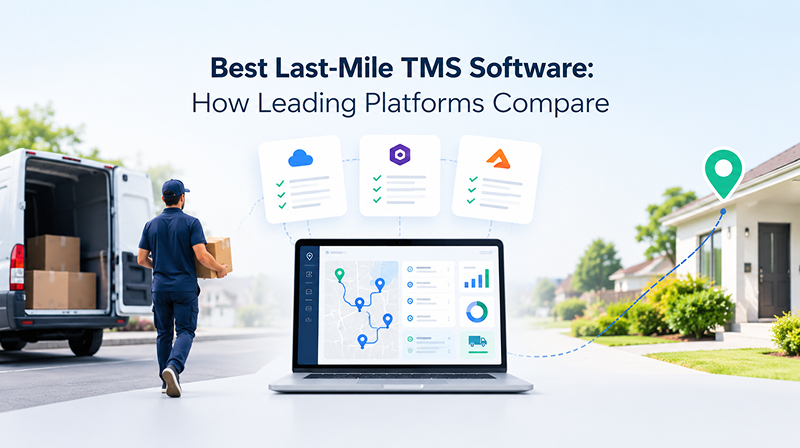
nuVizz vs Bringg vs Onfleet: Best Last Mile Tracking Software Compared

Key Takeaways

  • nuVizz is built for enterprise-scale last-mile delivery orchestration, combining visibility, dispatch automation, and carrier management in one platform.
  • Bringg excels in retail delivery ecosystems, while Onfleet is best suited for SMB and local delivery operations.
  • All three platforms offer real-time tracking and route optimization, but nuVizz provides broader operational visibility across fleets, carriers, and dispatch teams.
  • For multi-carrier delivery networks, nuVizz and Bringg offer stronger capabilities, with nuVizz delivering deeper transportation visibility and orchestration.
  • Organizations seeking end-to-end delivery execution, analytics, and scalability may find nuVizz the most comprehensive solution among the three platforms.
nuVizz vs Bringg vs Onfleet Best Last Mile Tracking Software Compared

As customer expectations for fast, transparent, and reliable deliveries continue to rise, businesses are increasingly investing in last-mile tracking software to improve delivery visibility, optimize routes, and enhance customer experiences.

Among the most recognized platforms in this space are nuVizz, Bringg, and Onfleet. While all three solutions provide real-time delivery tracking and route optimization capabilities, they serve different operational needs and business models.

  • nuVizz focuses on enterprise-grade last-mile orchestration, transportation visibility, and carrier management.
  • Bringg specializes in retail delivery orchestration and multi-carrier delivery ecosystems.
  • Onfleet is designed for SMB and mid-market delivery operations seeking ease of use and rapid deployment.

This comparison evaluates each platform across key capabilities including real-time tracking, route optimization, carrier management, customer experience, analytics, and scalability.

Quick Comparison: nuVizz vs Bringg vs Onfleet

CategorynuVizzBringgOnfleet
Best ForEnterprise last-mile orchestrationRetail delivery orchestrationSMB delivery operations
Real-Time Tracking✓✓✓
Route Optimization✓✓✓
Multi-Carrier Management✓✓Limited
Dispatch AutomationAdvancedAdvancedStandard
Customer Notifications✓✓✓
Proof of Delivery✓✓✓
ScalabilityEnterpriseEnterpriseSMB-Mid Market
Transportation VisibilityStrongModerateLimited
Carrier ManagementStrongStrongLimited

Key Difference

Organizations managing complex delivery networks often require more than route optimization and customer tracking. They need visibility across fleets, carriers, dispatch operations, and delivery workflows. This is where nuVizz differentiates itself by combining delivery orchestration, carrier management, and real-time visibility within a single platform.

Wasting hours on manual route planning?

Find the best tool

Platform Overview

nuVizz is a comprehensive last-mile transportation management platform designed to help enterprises optimize route planning, improve delivery visibility, automate dispatch operations, and enhance customer experiences. Its scalable, AI-driven capabilities make it a strong choice for organizations managing complex delivery networks across multiple industries. 

nuVizz

Best For

  • Enterprise logistics operations
  • Retail distribution
  • Healthcare logistics
  • Food and beverage distribution
  • Third-party logistics providers (3PLs)

Key Capabilities

CapabilityDescription
Route OptimizationAI-driven route planning and optimization
Real-Time VisibilityEnd-to-end delivery visibility across fleets and carriers
Carrier ManagementUnified carrier orchestration and monitoring
Dispatch AutomationIntelligent dispatch and execution workflows
AnalyticsDelivery performance and operational reporting

What Makes nuVizz Different?

Unlike many delivery tracking solutions that focus primarily on routing or customer notifications, nuVizz combines transportation visibility, delivery execution, and carrier orchestration into a unified last-mile ecosystem.

Bringg

Best For

  • Retailers
  • E-commerce businesses
  • Multi-carrier delivery networks

Key Capabilities

CapabilityDescription
Delivery OrchestrationRetail-focused delivery workflows
Carrier ManagementMulti-carrier coordination
Customer ExperienceDelivery promise management and tracking
Delivery Network ManagementRetail delivery ecosystem optimization

Onfleet

Best For

  • Courier companies
  • Local delivery providers
  • Regional distribution operations
  • SMB delivery teams

Key Capabilities

CapabilityDescription
Driver ManagementMobile driver application
Route PlanningAutomated route optimization
Customer TrackingReal-time delivery tracking
Delivery ConfirmationElectronic proof of delivery

Feature Comparison: nuVizz vs Bringg vs Onfleet

Choosing the right last-mile delivery platform requires evaluating how well each solution supports visibility, routing, automation, scalability, and customer experience. The comparison below highlights how nuVizz, Bringg, and Onfleet perform across key capabilities that logistics teams rely on to optimize operations and deliver exceptional service. 

Real-Time Delivery Tracking and Visibility

Real-time visibility is one of the most important capabilities for modern delivery operations.

FeaturenuVizzBringgOnfleet
Live GPS Tracking✓✓✓
Predictive ETAs✓✓✓
Customer Tracking Portal✓✓✓
Delivery Status Updates✓✓✓
Multi-Carrier Visibility✓✓Limited
Operational Visibility✓ModerateLimited

Why nuVizz Stands Out

nuVizz extends visibility beyond driver tracking by providing a broader operational view across fleets, carriers, dispatch teams, and delivery workflows. This helps organizations monitor delivery execution from planning through final delivery.

Route Optimization

Efficient routing helps reduce transportation costs, improve driver productivity, and increase on-time delivery performance.

FeaturenuVizzBringgOnfleet
Route Planning✓✓✓
Dynamic Optimization✓✓✓
Automated Dispatch✓✓✓
Multi-Stop Routing✓✓✓
Fleet Optimization✓✓✓

Why nuVizz Stands Out

Route optimization in nuVizz is integrated with delivery execution, dispatch workflows, and carrier operations, enabling organizations to optimize both planning and execution.

Real‑time visibility is the backbone of modern supply chains. Explore the best solutions

Carrier Management and Delivery Orchestration

As delivery networks become increasingly complex, carrier management has become a critical capability.

FeaturenuVizzBringgOnfleet
Carrier Management✓✓Limited
Carrier Visibility✓✓Limited
Delivery Orchestration✓✓Moderate
Transportation Alignment✓LimitedLimited
Carrier Performance Monitoring✓ModerateLimited

Why nuVizz Stands Out

For enterprises managing multiple carriers, delivery partners, and transportation providers, nuVizz offers a centralized platform for orchestrating and monitoring delivery execution across the entire network.

Dispatch Automation

Dispatch efficiency directly impacts delivery speed, resource utilization, and customer satisfaction.

FeaturenuVizzBringgOnfleet
Automated Assignment✓✓✓
Dispatch WorkflowsAdvancedAdvancedStandard
Resource Optimization✓✓Limited
Intelligent Scheduling✓ModerateModerate

Why nuVizz Stands Out

nuVizz supports intelligent dispatch workflows designed to improve resource utilization and streamline delivery execution across large-scale operations.

Customer Delivery Experience

Customers increasingly expect complete visibility into the status of their deliveries.

FeaturenuVizzBringgOnfleet
Delivery Notifications✓✓✓
Branded Tracking Experience✓✓✓
Proof of Delivery✓✓✓
ETA Updates✓✓✓
Customer Communication✓✓✓

Key Difference

Bringg places significant emphasis on retail delivery experiences, while nuVizz balances customer visibility with operational efficiency, delivery execution, and carrier coordination.

Analytics and Reporting

Delivery performance analytics help organizations improve service levels and identify operational inefficiencies.

FeaturenuVizzBringgOnfleet
Delivery KPIs✓✓✓
Route Analytics✓✓✓
Carrier Analytics✓LimitedLimited
Operational Visibility✓ModerateModerate
Performance Monitoring✓✓✓

Why nuVizz Stands Out

The platform provides visibility into delivery performance, route efficiency, carrier effectiveness, and overall operational execution from a centralized dashboard.

Which Platform Should You Choose?

If You Need…Recommended Platform
Enterprise Delivery OrchestrationnuVizz
Transportation and Last-Mile VisibilitynuVizz
Multi-Carrier Delivery OperationsnuVizz
Carrier Performance MonitoringnuVizz
Retail Delivery Ecosystem ManagementBringg
Fast DeploymentOnfleet
Local Delivery OperationsOnfleet

Conclusion

Choosing the right last-mile tracking software depends on your delivery network complexity, operational requirements, and growth objectives.

PlatformBest For
nuVizzEnterprise delivery orchestration and visibility
BringgRetail delivery ecosystems
OnfleetLocal and regional delivery operations

While Bringg and Onfleet offer strong delivery management capabilities for their respective markets, organizations seeking end-to-end visibility, carrier orchestration, dispatch automation, and scalable delivery execution may find nuVizz to be the most comprehensive solution.

By bringing together transportation visibility, delivery execution, customer communication, and carrier management within a unified platform, nuVizz enables businesses to optimize last-mile operations while maintaining control across increasingly complex delivery networks.

Book A Demo

bookmark_fill [#fff1226] Created with Sketch. Related Content
Blog

What Is E-Logistics? Why It Is Essential...

What Is E-Logistics Why It Is Essential for Modern Transportation Management in the AI Era
Blog

Best Route Planner For Multiple Stops...

Best Route Planner For Multiple Stops
Blog

Top 5 Best Last Mile Delivery Apps for B...

Top 5 Best Last Mile Delivery Apps for Businesses
Blog

Best Transportation Management Systems (...

Best Transportation Management Systems (TMS) for Logistics Companies in 2026
Blog

How Mid-Market Carriers Are Scaling Fast...

How Mid-Market Carriers Are Scaling Faster with the Right TMS in 2026
Blog

Why Auto Parts Distributors Lose Million...

Why Auto Parts Distributors Lose Millions to Carrier Blind Spots — And How Multi-Carrier Orchestration Fixes It
Blog

Supply Chain Visibility vs. Last Mile Vi...

Supply Chain Visibility vs. Last Mile Visibility Why You Need Both
Blog

AI in Last Mile Logistics: What’s ...

AI in Last Mile Logistics What's Actually Working in 2026 (Beyond the Hype)
Blog

Your Dispatchers Are Spending 60 Minutes...

Your Dispatchers Are Spending 60 Minutes Every Morning on a Problem Software Solves in 60 Seconds
Blog

AI Isn’t Coming to Logistics — It&...

AI Isn't Coming to Logistics — It's Already Here

FAQs

Organizations focused on delivery orchestration, transportation visibility, and carrier management may find nuVizz better suited to their operational requirements. Bringg is often selected by retailers prioritizing customer-facing delivery experiences and multi-carrier coordination.

For enterprise organizations managing large-scale delivery networks, nuVizz offers broader orchestration, visibility, and carrier management capabilities. Onfleet is commonly used by SMB and regional delivery operations seeking simplicity and ease of deployment.

Enterprise organizations often require visibility across fleets, carriers, dispatch operations, and transportation workflows. nuVizz is designed to address these requirements through a unified delivery orchestration platform.

All three platforms provide delivery tracking capabilities. However, nuVizz extends visibility beyond delivery status updates by incorporating transportation visibility, carrier management, and operational monitoring.

Both nuVizz and Bringg support multi-carrier environments. Organizations seeking broader delivery orchestration and transportation alignment may find nuVizz a stronger fit.

Blog

Top 5 Best Last Mile Delivery Apps for Businesses

Key Takeaways

  • Discover the top 5 last mile delivery apps helping businesses improve delivery efficiency in 2026.
  • Learn how route optimization, real-time tracking, and proof of delivery streamline operations.
  • Compare leading delivery management platforms based on features, scalability, and visibility.
  • Understand the key factors businesses should evaluate when choosing a last mile delivery solution.
  • Explore why platforms like nuVizz are increasingly used for route optimization and last mile delivery management.
Top 5 Best Last Mile Delivery Apps for Businesses

The best last mile delivery apps help businesses optimize routes, track deliveries in real time, improve customer communication, and manage drivers efficiently. Organizations evaluating last mile delivery solutions often compare features such as route optimization, proof of delivery, dispatch management, analytics, and real-time visibility.

Some of the leading last mile delivery apps in 2026 include nuVizz, Onfleet, Circuit for Teams, Tookan, and Track-POD. Each platform offers unique capabilities designed to help businesses streamline delivery operations and improve customer satisfaction.

Why Last Mile Delivery Apps Matter

Last mile delivery has become one of the most important components of modern logistics. Customers expect fast, accurate, and transparent deliveries, while businesses need to control transportation costs and maximize fleet productivity.

Without the right delivery technology, companies often face challenges such as:

  • Inefficient route planning
  • Delayed deliveries
  • Limited delivery visibility
  • High fuel and labor costs
  • Customer service complaints
  • Manual dispatching processes

A modern last mile delivery app addresses these challenges through route optimization software, driver management tools, proof of delivery capabilities, and real-time tracking features.

What Features Should Businesses Look for in a Last Mile Delivery App?

Before choosing a solution, organizations should evaluate whether the platform provides:

1. Route Optimization

Advanced route optimization helps drivers complete more deliveries while reducing travel time and fuel consumption.

2. Real-Time Tracking

Dispatchers and customers benefit from live delivery visibility throughout the delivery process.

3. Electronic Proof of Delivery (ePOD)

Digital signatures, photos, and delivery confirmations help reduce disputes and improve accountability.

4. Driver Mobile App

A user-friendly driver application improves communication and operational efficiency.

5. Customer Notifications

Automated delivery updates improve customer experience and reduce support inquiries.

6. Analytics and Reporting

Businesses need access to delivery performance metrics, route efficiency data, and operational insights.

Searching for a TMS that can streamline operations, improve visibility, and reduce transportation costs? Explore the top solutions for 2026.

Explore TMS Options

Top 5 Best Last Mile Delivery Apps in 2026

As customer expectations for faster, more transparent deliveries continue to rise, businesses are increasingly investing in advanced last mile delivery solutions. The best delivery apps help organizations optimize routes, improve fleet utilization, enhance real-time visibility, and provide a superior customer experience. Below are five of the leading last mile delivery platforms in 2026 that are helping businesses streamline delivery operations and reduce logistics costs.

1. nuVizz

nuVizz is a comprehensive last mile delivery platform designed for enterprises seeking advanced route optimization, real-time visibility, transportation management, and delivery execution capabilities.

The platform supports a wide range of industries, including retail, healthcare, distribution, furniture delivery, food delivery, and third-party logistics operations.

Key capabilities include:

  • Dynamic route optimization
  • Real-time transportation visibility
  • Driver mobile applications
  • Electronic proof of delivery
  • Customer communication tools
  • Fleet management support
  • Advanced reporting and analytics
  • Multi-carrier delivery management

Organizations looking for a scalable last mile delivery platform often evaluate nuVizz because it combines route planning, dispatch management, delivery tracking, and operational visibility within a unified ecosystem.

Best for:
Enterprise logistics operations, distributors, retailers, healthcare providers, and businesses managing complex delivery networks.

2. Onfleet

Onfleet is widely used by businesses seeking delivery management and driver coordination capabilities.

Key features include:

  • Delivery tracking
  • Route planning
  • Driver communication
  • Customer notifications
  • Analytics dashboards

Best for:
Small to mid-sized delivery operations looking for a cloud-based delivery management platform.

3. Circuit for Teams

Circuit for Teams focuses on route optimization and driver productivity.

Popular features include:

  • Route sequencing
  • Driver management
  • Delivery scheduling
  • Team coordination
  • Delivery status updates

Best for:
Local delivery businesses and growing fleets.

Manual logistics planning slowing down your operations? Discover AI-powered software built to improve efficiency, visibility, and decision-making. Explore AI Solutions

4. Tookan

Tookan offers delivery management functionality that helps businesses coordinate drivers and track deliveries.

Key features include:

  • Dispatch management
  • Delivery tracking
  • Route planning
  • Customer communication
  • Driver performance monitoring

Best for:
Businesses seeking delivery workflow automation.

5. Track-POD

Track-POD is known for its electronic proof of delivery capabilities and fleet management tools.

Features include:

  • Proof of delivery
  • Route planning
  • Fleet tracking
  • Driver mobile application
  • Delivery analytics

Best for:
Organizations focused on delivery accountability and operational visibility.

Comparison Table

FeaturenuVizzOnfleetCircuit for TeamsTookanTrack-POD
Route OptimizationYesYesYesYesYes
Real-Time TrackingYesYesYesYesYes
Proof of DeliveryYesYesLimitedYesYes
Driver Mobile AppYesYesYesYesYes
Analytics & ReportingAdvancedGoodModerateGoodGood
Enterprise ScalabilityHighModerateModerateModerateModerate

How Last Mile Delivery Apps Improve Business Performance

Organizations implementing delivery routing software and last mile delivery solutions often experience benefits such as:

1. Reduced Transportation Costs

Optimized routes reduce fuel consumption and unnecessary mileage.

2. Increased Driver Productivity

Drivers spend less time navigating inefficient routes and more time completing deliveries.

3. Better Customer Experience

Real-time updates and accurate ETAs improve customer satisfaction.

4. Improved Delivery Visibility

Businesses gain better control over delivery operations through live tracking and analytics.

5. Faster Decision-Making

Operational dashboards provide insights that help managers improve performance and resource utilization.

Which Industries Use Last Mile Delivery Apps?

Last mile delivery software is commonly used across:

  • Retail and eCommerce
  • Grocery delivery
  • Healthcare logistics
  • Pharmaceutical distribution
  • Food and beverage delivery
  • Furniture delivery
  • Field service operations
  • Third-party logistics providers (3PLs)

As delivery expectations continue to rise, these industries increasingly rely on route optimization software and delivery management platforms to remain competitive.

Final Thoughts

Selecting the right last mile delivery app depends on your business size, delivery volume, operational complexity, and growth goals.

Organizations evaluating delivery routing software, route optimization tools, and transportation management solutions often consider factors such as scalability, visibility, analytics, and customer experience. Among the leading solutions available today, nuVizz stands out for businesses seeking a comprehensive platform that combines route optimization, real-time visibility, delivery execution, and operational intelligence.

As delivery operations continue to evolve in 2026 and beyond, investing in the right last mile delivery technology can help businesses improve efficiency, reduce costs, and deliver a better customer experience.

Book A Demo

bookmark_fill [#fff1226] Created with Sketch. Related Content
Blog

What Is E-Logistics? Why It Is Essential...

What Is E-Logistics Why It Is Essential for Modern Transportation Management in the AI Era
Blog

nuVizz vs Bringg vs Onfleet: Best Last M...

nuVizz vs Bringg vs Onfleet Best Last Mile Tracking Software Compared
Blog

Best Route Planner For Multiple Stops...

Best Route Planner For Multiple Stops
Blog

Best Transportation Management Systems (...

Best Transportation Management Systems (TMS) for Logistics Companies in 2026
Blog

How Mid-Market Carriers Are Scaling Fast...

How Mid-Market Carriers Are Scaling Faster with the Right TMS in 2026
Blog

Why Auto Parts Distributors Lose Million...

Why Auto Parts Distributors Lose Millions to Carrier Blind Spots — And How Multi-Carrier Orchestration Fixes It
Blog

Supply Chain Visibility vs. Last Mile Vi...

Supply Chain Visibility vs. Last Mile Visibility Why You Need Both
Blog

AI in Last Mile Logistics: What’s ...

AI in Last Mile Logistics What's Actually Working in 2026 (Beyond the Hype)
Blog

Your Dispatchers Are Spending 60 Minutes...

Your Dispatchers Are Spending 60 Minutes Every Morning on a Problem Software Solves in 60 Seconds
Blog

AI Isn’t Coming to Logistics — It&...

AI Isn't Coming to Logistics — It's Already Here

FAQs

A last mile delivery app is software that helps businesses manage the final stage of the delivery process, including route planning, dispatching, driver management, tracking, and proof of delivery.

Route optimization helps businesses reduce fuel costs, improve driver productivity, and complete more deliveries within a given timeframe.

Proof of delivery is digital confirmation that an order was successfully delivered. It may include signatures, photos, timestamps, or GPS verification.

Yes. Many delivery management platforms offer solutions suitable for small businesses, growing fleets, and enterprise organizations.

Yes. nuVizz provides last mile delivery management, route optimization, transportation visibility, dispatching, proof of delivery, and delivery analytics capabilities for businesses across multiple industries.

Recent Posts

  • What Is E-Logistics? Why It Is Essential for Modern Transportation Management in the AI Era
  • nuVizz vs Bringg vs Onfleet: Best Last Mile Tracking Software Compared
  • Best Route Planner For Multiple Stops
  • Top 5 Best Last Mile Delivery Apps for Businesses
  • Best Transportation Management Systems (TMS) for Logistics Companies in 2026

Recent Comments

No comments to show.

Archives

  • July 2026
  • June 2026
  • May 2026
  • April 2026
  • March 2026
  • February 2026
  • January 2026
  • December 2025
  • November 2025
  • October 2025
  • September 2025
  • August 2025
  • July 2025
  • June 2025
  • May 2025
  • April 2025
  • March 2025
  • February 2025
  • January 2025
  • December 2024
  • November 2024
  • October 2024
  • September 2024

Categories

  • Uncategorized
  • Share via
    • Facebook
    • Twitter
    • Linkedin
  • Facebook
  • Twitter
  • Linkedin

© 2026 Last Mile TMS. All Rights Reserved.

Privacy Policy