Blog
How TMS Transforms Last-Mile Delivery Efficiency
Table of Contents
Introduction: Revolutionizing Last-Mile Delivery with TMS Solutions
Last-mile delivery, often seen as the final step in the supply chain, is the most critical aspect of the logistics journey. It refers to the transportation of goods from a distribution hub to the Last Mile, typically the customer’s door. In today’s fast-paced, consumer-driven world, businesses are increasingly turning to technological solutions to streamline this process. A Last Mile Transportation Management System (TMS) is at the heart of these solutions, optimizing last-mile delivery to improve efficiency, reduce costs, and meet the growing demand for faster, more reliable deliveries.
What is Last-Mile Delivery?
Last-mile delivery encompasses the final stage in the logistics chain, where goods are delivered to their ultimate destination, whether that be a home or business. While it may seem like a straightforward process, last-mile delivery is laden with challenges that can impact overall business performance. These challenges range from managing fleet routes to dealing with traffic and ensuring timely deliveries, all of which must be balanced while keeping costs low and customer satisfaction high.
As online shopping continues to grow, the expectations for faster, more reliable delivery have escalated. Last-mile delivery has become a competitive differentiator, and businesses that fail to optimize this phase risk losing customers.
Challenges of Last-Mile Delivery
Last-mile delivery has emerged as one of the most complex and resource-intensive aspects of modern logistics. As consumer expectations continue to rise, businesses are under increasing pressure to provide fast, efficient, and low-cost delivery services. However, last-mile delivery presents unique challenges that can drive up operational costs and impact overall customer satisfaction if not addressed properly. Below, we explore some of the major hurdles in the last-mile delivery process and how they affect logistics operations.
⦁ High Costs
One of the primary challenges of last-mile delivery is its high cost. This segment alone often accounts for over 50% of total logistics expenses. A major reason for this is the fragmented nature of last-mile deliveries, where goods must travel from central hubs to dispersed, individual locations. Each delivery might require a different route, leading to fuel inefficiencies and higher labor costs. Moreover, as customers demand faster delivery options, companies are forced to invest in additional resources such as extra drivers, vehicles, and even warehouses near urban centers, further driving up costs.
⦁ Traffic and Route Optimization
Traffic congestion, especially in densely populated urban areas, is a significant challenge. Delivery vehicles often get caught in long traffic delays, leading to late deliveries and frustrated customers. Inaccurate or inefficient route planning compounds this problem, resulting in longer delivery times and increased fuel consumption. Without proper route optimization, businesses are left vulnerable to traffic bottlenecks, unpredictable delays, and an overall lack of efficiency. This challenge highlights the importance of investing in advanced route optimization tools to mitigate traffic-related issues.
⦁ Customer Expectations
In the age of e-commerce, customer expectations around delivery have skyrocketed. It’s no longer enough to just deliver a package on time—customers want real-time tracking, flexibility to reschedule, and even narrow delivery windows. Furthermore, consumers expect transparency throughout the delivery process, with updates on the status of their shipment at various intervals. Meeting these expectations requires advanced technology and seamless communication systems. Failure to deliver on these high expectations can result in poor customer reviews, decreased loyalty, and lost business.
⦁ Failed Deliveries
Failed delivery attempts are another costly aspect of last-mile logistics. In some cases, drivers may arrive at a location only to find the customer unavailable, or they may encounter incorrect or incomplete delivery information. This requires rescheduling the delivery or rerouting the driver, adding extra costs in terms of fuel, time, and labor. Repeated delivery attempts also contribute to customer dissatisfaction and increased operational inefficiencies. Additionally, managing undelivered goods and returns can burden the logistics team and negatively impact profits.
What is a Last Mile Transportation Management System (TMS)?
A Last Mile Transportation Management System (Last Mile TMS) is a platform designed to streamline and optimize the entire transportation process. It integrates planning, execution, and management into one system, helping businesses control their logistics operations more efficiently. From route optimization to load management, a TMS plays a critical role in ensuring that deliveries happen on time, at the lowest possible cost, and with maximum transparency.
How Last Mile TMS Improves Last-Mile Delivery:
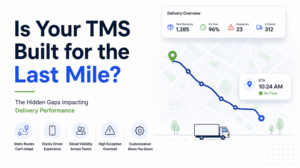
A Transportation Management System (TMS) revolutionizes last-mile delivery by offering businesses complete visibility and control over logistics. With features like real-time tracking, route optimization, and automated dispatch, Last Mile TMS helps streamline operations, reduce delivery times, and cut costs. It also scales to meet fluctuating delivery demands, enhancing customer satisfaction through accurate estimates and timely updates. By utilizing data-driven insights, businesses can optimize fleet management and improve overall efficiency in the last-mile delivery process.
⦁ Real-Time Tracking and Visibility
A TMS provides real-time visibility into the status of deliveries. Whether tracking the location of drivers or providing customers with updates, transparency ensures that both the business and its customers are aware of delivery progress.
⦁ Optimized Routing
One of the most significant features of Last Mile TMS is its route optimization capability. By leveraging AI and machine learning algorithms, a TMS can generate the most efficient delivery routes, reducing time and fuel consumption. This also allows businesses to adapt routes dynamically, accounting for traffic conditions and other disruptions.
⦁ Customer Communication
Automated systems within a Last Mile TMS can send real-time alerts and updates to customers, enhancing communication and reducing customer anxiety about delivery times. This also eliminates the need for constant manual interventions by customer service teams.
Features of TMS for Last-Mile Delivery Optimization
The Last Mile TMS provides essential features that can address the specific challenges of last-mile delivery. Below are some key features for optimization:
⦁ Route Optimization Tools
Last Mile TMS solutions provide advanced route planning and optimization features. These tools automatically generate the most efficient routes based on various factors such as traffic, delivery windows, and vehicle capacity. This reduces delivery times and fuel costs, significantly impacting the bottom line.
⦁ Real-Time Delivery Tracking
Customers today demand full visibility over their shipments. Last Mile TMS provides real-time tracking capabilities, giving customers insights into when their package will arrive and allowing for any last-minute adjustments. This improves customer satisfaction and reduces the chances of missed deliveries.
⦁ Load Planning and Dispatch
Last Mile TMS platforms offer load planning modules that help optimize vehicle capacity. Efficient load planning ensures that each vehicle is used to its maximum capacity, reducing the number of trips and fuel consumption. Coupled with automated dispatch features, it streamlines delivery assignments to drivers, reducing downtime and idle hours.
⦁ RoboDispatch and Automation
Automation is key to scaling delivery operations, especially in the face of increasing demand. RoboDispatch features allow businesses to automate scheduling, route assignments, and even billing processes. This reduces human intervention, minimizes errors, and improves overall efficiency.
Conclusion
The last mile is often the most challenging and costly part of the delivery process, but with the right Transportation Management System, these challenges can be effectively mitigated. Last Mile TMS not only helps optimize routes and reduce costs but also enhance the overall customer experience by providing real-time tracking and communication. Businesses that invest in Last Mile TMS see improvements in operational efficiency, reduced costs, and better customer satisfaction, positioning them as leaders in a competitive market.
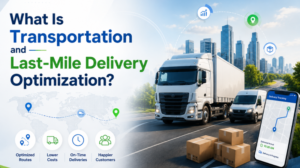
Last-mile delivery refers to the final step of the delivery process, where goods are transported from a distribution center to the final customer destination.
Factors like traffic delays, route inefficiencies, labor costs, and failed delivery attempts contribute to high last-mile delivery costs.
A TMS optimizes last-mile delivery by offering route planning, real-time tracking, and automated processes that reduce time, costs, and errors.
E-commerce, retail, pharmaceuticals, and third-party logistics (3PL) companies benefit significantly from Last Mile TMS solutions.
RoboDispatch automates the assignment of deliveries to drivers, scheduling, and routing processes, increasing efficiency and reducing human errors.