Blog
How Last Mile TMS Drives Growth for Retail Businesses in 2025
Table of Contents
The retail industry is evolving rapidly, driven by shifting consumer expectations, technological advancements, and increasing competition. In 2025, speed, convenience, and real-time tracking are no longer optional—they are essential for customer satisfaction.
With the growth of quick commerce, same-day delivery, and omnichannel shopping, retailers need to improve their logistics. This is important to remain competitive. Last Mile Transportation Management Systems (TMS) are important for making last-mile delivery efficient and cost-effective. They also focus on the customer’s needs.
What Is Last Mile TMS and Why It Matters for Retail?
Last Mile TMS is a smart logistics solution. It helps improve the last part of the delivery process. This ensures that products get to customers quickly and efficiently. It integrates real-time route optimization, fleet management, automated dispatching, and live tracking to streamline last-mile delivery operations.
Last Mile TMS uses AI and data analytics to help retailers save money. It also reduces delivery delays and boosts customer satisfaction.
4 Key Challenges Retailers Face in Last-Mile Delivery
Retailers face several challenges when managing last-mile delivery, including:
• High Delivery Costs:
Fuel expenses, inefficient routing, and failed deliveries contribute to rising costs.
• Customer Expectations for Speed & Transparency:
Consumers demand same-day or next-day deliveries with real-time tracking
• Managing Multiple Delivery Partners & Fleets:
Coordinating between various carriers and delivery fleets is complex and requires seamless integration.
• Reverse Logistics & Returns Handling:
More people are shopping online now. This has led to more product returns. Because of this, efficient reverse logistics is very important.
How Last Mile TMS Solves Retail Logistics Challenges
Retailers that implement Last Mile TMS gain access to powerful tools that address these challenges:
1. Real-Time Route Optimization
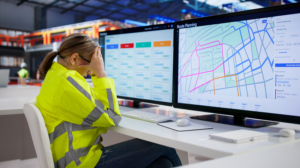
AI-powered route planning helps cut delivery time and lower fuel costs. It also improves efficiency by choosing the best routes. This is based on traffic conditions and how many orders there are.
2. AI-Powered Delivery Scheduling
Predictive analytics and machine learning help optimize delivery schedules, reducing missed deliveries and enhancing driver productivity.
3. Live Order Tracking & Visibility
Customers receive real-time updates on their deliveries, improving transparency and satisfaction. Retailers can monitor deliveries in real time to proactively address delays.
4. Seamless Carrier & Fleet Management
Retailers can integrate multiple carriers and fleets into a single system, ensuring efficient dispatching, real-time communication, and optimized load balancing.
5. Automated Returns & Reverse Logistics
Last Mile TMS streamline return pickups, reducing return processing times and improving the overall shopping experience for customers.
Improve your pharmaceutical delivery with last-mile solutions. Learn more here.
The Impact of Last Mile TMS on Retail Growth
Implementing Last Mile TMS leads to significant benefits, including:
• Improved Customer Retention & Loyalty:
Faster and more reliable deliveries enhance customer trust and repeat purchases.
• Reduced Operational Costs:
Optimized routes, automated dispatching, and fuel-efficient deliveries help cut costs.
• Scalability for Seasonal Demand Spikes:
Retailers can handle busy sales times, such as Black Friday and holiday shopping, by changing their delivery operations. This helps them manage seasonal demand spikes easily.
Why 2025 Is the Right Time for Retailers to Invest in Last Mile TMS
The retail industry is getting more competitive. In 2025, using Last Mile TMS is not just a choice; it is a must. Retailers who fail to optimize their last-mile logistics risk falling behind their competitors.
Sustainability and green logistics are now very important. Last Mile TMS helps retailers lower their carbon footprint. It does this by optimizing delivery routes and using eco-friendly transportation methods.
Want to optimize healthcare logistics? Check out our blog for key insights.
Future-Proofing Retail Businesses with Last Mile TMS
Retailers who want to succeed in 2025 need to use Last Mile TMS. This will help them improve delivery speed, lower costs, and satisfy customer needs.
By using AI for optimization, tracking in real-time, and managing carriers smoothly, businesses can secure their logistics. This helps them grow sustainably in the future. Investing in the right Last Mile TMS solution now will help you succeed in today’s fast-paced and digital retail world.
FAQs
A Last Mile Transportation Management System (TMS) is a logistics solution that optimizes the final stage of the delivery process, ensuring efficient, cost-effective, and timely deliveries to customers.
It uses AI-driven route optimization, automated dispatching, and real-time tracking to minimize delays, reduce costs, and enhance overall delivery performance.
Yes, Last Mile TMS is scalable and beneficial for businesses of all sizes. Small retailers can improve delivery accuracy, reduce costs, and enhance customer satisfaction using TMS solutions.
AI powers predictive analytics, route optimization, and dynamic scheduling, enabling businesses to make data-driven decisions for more efficient deliveries.
It automates the returns process, streamlining pickups and reducing return processing times, ensuring a smoother experience for customers and retailers.