Blog
6 Ways Last Mile TMS Cuts Delivery Costs and Speeds Up Deliveries

Table of Contents
Did you know that last-mile delivery accounts for a staggering 53% of total shipping expenses? For businesses, this presents a significant challenge: balancing delivery cost reduction with the increasing demand for faster deliveries. But what if there was a way to achieve both seamlessly?
Last Mile TMS—a cutting-edge solution designed to optimize delivery processes, reduce operational costs, and improve delivery speed. Let’s explore six ways this technology transforms the last-mile landscape.
Dynamic Route Optimization to Save Every Mile
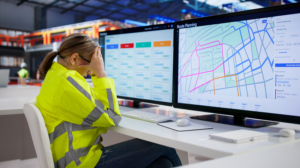
One of the most impactful ways to cut delivery costs is through dynamic route optimization. Unlike traditional route planning, this feature adjusts delivery routes in real time, accounting for traffic, weather, and priority stops.
Learn how to choose the best logistics software. Read More.
For example, a delivery driver rerouted around unexpected road closures can save valuable time and fuel. By eliminating unnecessary miles and reducing delays, companies can achieve significant savings. With efficient delivery management powered by route optimization, businesses not only save costs but also improve overall operational efficiency.
Smarter Fleet Management for Optimal Resource Utilization
A key advantage of Last Mile TMS is its ability to streamline fleet management. By leveraging real-time data, companies can track driver availability, vehicle capacity, and delivery schedules to maximize resource utilization.
Imagine a logistics company ensuring every vehicle operates at full capacity, reducing empty miles and unnecessary trips. This not only saves on fuel but also improves profitability. With driver performance tracking and optimized fleet usage, businesses can turn their fleets into a competitive advantage.
Faster Deliveries with Real-Time Tracking and Communication
Delays and missed deliveries can significantly impact customer satisfaction and operational costs. With real-time tracking software, businesses gain complete real-time visibility into their delivery operations. Dispatchers can monitor driver locations, reroute them if necessary, and provide accurate ETAs to customers.
Proactive communication reduces failed deliveries and the need for reattempts, saving time and money. A company that used real-time tracking software reduced delivery reattempts by 25%. This helped speed up their operations.
Automation of Load Planning and Dispatch
Manual planning is time-consuming and error-prone. By automating load and dispatch planning, Last Mile TMS removes inefficiencies. It ensures that every vehicle loads and dispatches in the best way.
Discover how logistics software cuts fuel costs and boosts ROI. Read More.
Automation also accelerates the dispatch process, helping businesses meet tight delivery windows. For example, Company X automated its dispatch schedules and reduced manual errors, saving $50,000 annually. With delivery automation and smarter load planning, businesses can achieve cost-effective logistics solutions.
Leveraging Data Analytics for Predictive Cost Management
One of the most overlooked aspects of cutting delivery costs is the power of data. Last Mile TMS uses predictive analytics to find high-cost areas. It also suggests ways to improve routes, schedules, and resource use.
For example, looking at delivery patterns can show chances to combine multiple deliveries into one route. This can lower fuel use and save driver hours. With cost management in delivery powered by analytics, businesses can proactively manage expenses.
Scaling with Gig Economy Drivers and Flexible Operations
Peak delivery seasons often require additional resources. Last Mile TMS works well with gig economy platforms. This helps businesses connect with a network of on-demand drivers. This flexibility eliminates the need for maintaining a large permanent fleet, reducing fixed costs.
Learn how to optimize automotive parts delivery. Read More.
For example, a retailer used gig drivers during the holiday rush. This helped them scale operations easily without overloading their main team. With scalable delivery operations and gig economy integration, businesses can adapt to demand fluctuations while keeping costs under control.
Cutting Costs Without Cutting Corners
Last Mile TMS helps businesses lower delivery costs and speed up operations. It does this by using dynamic route optimization, automation, real-time visibility, and predictive analytics. This isn’t just about cost-cutting; it’s about delivering smarter, faster, and more efficiently.
Are you ready to transform your delivery operations? Explore how Last Mile TMS can help your business thrive in today’s fast-paced logistics landscape.


FAQs
Predictive analytics identifies cost-saving opportunities, such as bundling deliveries and avoiding high-cost routes.
Yes! With route optimization and fleet management, it eliminates unnecessary miles, significantly reducing fuel usage.
Automation in load and dispatch planning reduces errors, accelerates processes, and ensures optimal resource utilization.
Predictive analytics identifies cost-saving opportunities, such as bundling deliveries and avoiding high-cost routes.
Absolutely! Last Mile TMS offers scalable solutions that cater to businesses of all sizes, enabling them to manage delivery operations efficiently.