Blog
How Last Mile TMS Solutions Address Modern Logistics Challenges
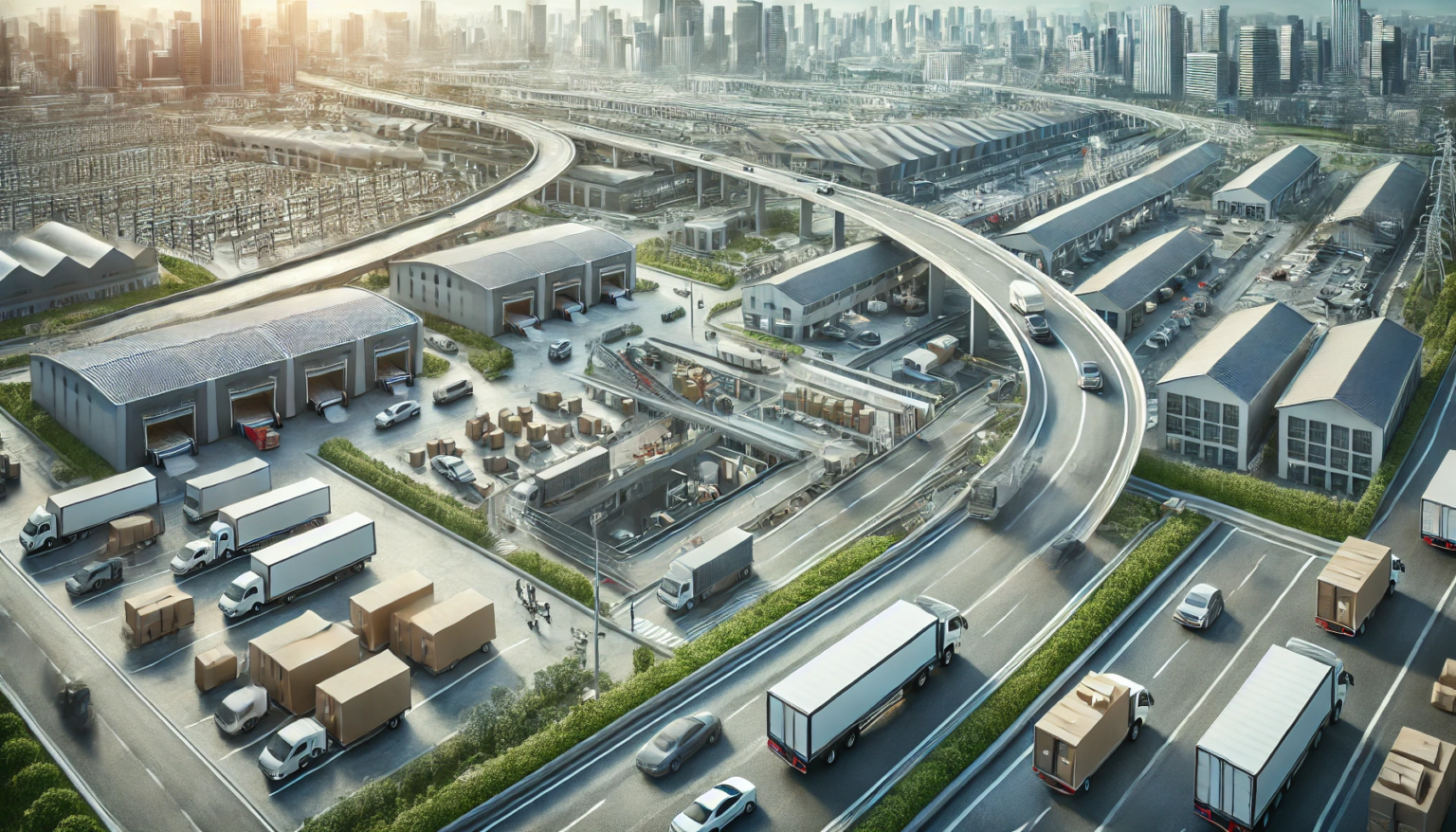
Table of Contents
In today’s fast-paced global economy, logistics is the backbone of modern businesses. With customer expectations for faster and more reliable deliveries on the rise, companies must continuously adapt to the growing complexity of supply chains. Last Mile Transportation Management Systems (TMS) have emerged as critical tools in addressing these evolving challenges. But how exactly can Last Mile TMS solutions transform logistics operations to keep up with the demands of the modern world? This blog explores the answer.
Understanding Modern Logistics
Modern logistics encompasses the process of managing the flow of goods from the point of origin to the final mile. With the rise of e-commerce and globalization, logistics has expanded in scale and complexity. It involves managing not just the transportation of goods but also warehousing, distribution, inventory control, and last-mile delivery. The modern logistics landscape is characterized by increased shipment volumes, multiple modes of transport, and the need for real-time visibility.
Businesses today rely on sophisticated technologies to streamline operations and manage logistics solutions effectively. The final leg of this process—last-mile delivery—is often the most challenging, as it is fraught with uncertainties and high costs. This is where Last Mile TMS solutions come into play, offering businesses the ability to optimize delivery routes, reduce costs, and enhance customer satisfaction.
Challenges in Modern Logistics
Modern logistics faces numerous challenges, from managing complex delivery networks to meeting rising customer expectations for faster, more reliable service. Increasing e-commerce volumes, unpredictable factors like traffic, and the need for real-time visibility put pressure on operations. Additionally, reducing costs while addressing sustainability demands adds to the complexity, requiring innovative solutions to stay competitive.
⦁ Rising Customer Expectations:
Consumers today expect quicker deliveries and real-time updates on their orders. This demand places immense pressure on logistics providers to ensure timely and accurate deliveries.
⦁ Last-Mile Delivery Costs:
The last mile is often the most expensive and inefficient part of the delivery process, accounting for a significant portion of overall logistics costs. Factors such as traffic, fuel costs, and labor shortages exacerbate these challenges.
⦁ Operational Complexities:
Managing multiple carriers, routes, and delivery schedules can be overwhelming, especially for businesses that rely on manual processes. Inconsistent service levels, late deliveries, and miscommunication can negatively impact customer satisfaction.
⦁ Lack of Visibility:
Real-time visibility is crucial for efficient logistics management. Without transparency into the delivery process, businesses face difficulties in tracking shipments, managing delays, and resolving customer complaints.
⦁ Environmental Concerns:
As sustainability becomes a key focus, logistics providers face the added challenge of reducing their carbon footprint. Efficient routing and load optimization are essential to achieve greener logistics.
How Can Last Mile TMS Solutions Address Modern Logistics Challenges?
Last Mile TMS solutions optimize delivery routes, provide real-time tracking, and automate dispatching to enhance efficiency. They improve visibility across the supply chain, enabling proactive management of issues. These systems help reduce costs and improve customer satisfaction while scaling to meet demand fluctuations.
⦁ Real-Time Visibility and Tracking:
Last Mile TMS solutions provide businesses with real-time tracking capabilities, allowing them to monitor shipments from dispatch to delivery. This transparency improves decision-making, helps manage exceptions proactively, and ensures that customers are kept informed with accurate updates.
⦁ Route Optimization for Cost Efficiency:
One of the biggest benefits of Last Mile TMS solutions is their ability to optimize delivery routes. By analyzing traffic conditions, fuel costs, and delivery schedules, Last Mile TMS can recommend the most efficient routes, reducing transit times and fuel consumption, which directly impacts delivery costs.
⦁ Automated Dispatching and Load Balancing:
With Last Mile TMS, businesses can automate dispatching processes, ensuring that each delivery is assigned to the most appropriate vehicle and driver based on capacity and proximity. This load balancing optimizes resource utilization, leading to faster deliveries and reduced operational costs.
⦁ Enhanced Customer Experience:
Modern Last Mile TMS solutions provide robust tools to enhance the customer experience. Features like real-time ETA updates, self-service delivery options, and automated notifications ensure that customers remain informed and satisfied throughout the delivery process.
⦁ Data-Driven Insights for Improved Operations:
Last Mile TMS solutions come with advanced analytics capabilities that provide businesses with actionable insights. These insights can be used to monitor key performance indicators (KPIs), identify bottlenecks, and optimize delivery operations for continuous improvement.
⦁ Sustainability and Green Logistics:
Last Mile TMS solutions contribute to more sustainable logistics by optimizing vehicle routes, reducing fuel consumption, and minimizing empty miles. Some platforms also offer electric vehicle (EV) integration, making it easier for companies to transition to greener transportation options.
⦁ Scalability for Peak Demand:
During periods of peak demand, such as the holiday season, businesses often struggle to meet the surge in order volumes. Last Mile TMS solutions offer scalability to manage fluctuating demand by automating processes, utilizing dynamic routing, and ensuring consistent delivery service levels.
Conclusion
As logistics challenges continue to evolve, businesses need to adopt technology solutions that can keep pace with these changes. Last Mile TMS solutions provide an essential toolset to address the growing complexities of modern logistics. From real-time visibility and route optimization to enhancing customer satisfaction, Last Mile TMS enables businesses to thrive in a highly competitive environment while controlling costs and improving operational efficiency.
For businesses looking to gain a competitive edge, the integration of a Last Mile TMS is no longer optional—it’s a necessity.


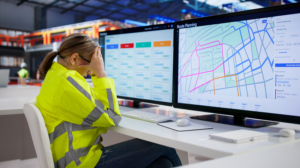
A Last Mile TMS is a transportation management system that focuses on the final leg of delivery from the distribution center to the end customer, optimizing routing, dispatching, and tracking.
By optimizing delivery routes, automating dispatching, and providing real-time tracking, Last Mile TMS helps reduce operational inefficiencies, fuel consumption, and delivery times, leading to cost savings.
Yes, by offering real-time updates, accurate ETAs, and self-service options, Last Mile TMS solutions improve the overall delivery experience, leading to higher customer satisfaction.
Last Mile TMS solutions optimize routing and reduce fuel consumption, contributing to lower carbon emissions. Some systems also support electric vehicles, promoting green logistics initiatives.
Most Last Mile TMS solutions are highly scalable and can handle fluctuations in demand, making them ideal for businesses during peak seasons or periods of rapid growth.