Blog
Why Your Retail Business Needs a Last Mile TMS in 2025
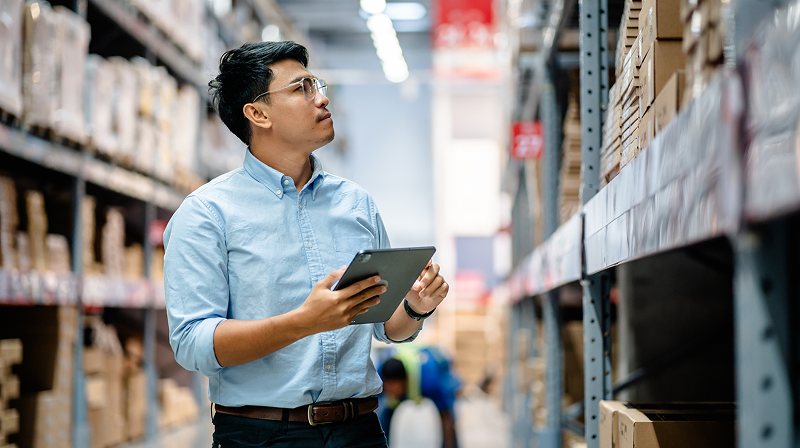
In 2025, retail success depends not just on what you sell—but on how fast, efficiently, and reliably you deliver it. Consumers expect rapid fulfillment, real-time tracking, and seamless delivery experiences. If your business can’t meet these expectations, they’ll quickly switch to one that can.
This is where a Last Mile Transportation Management System (TMS) comes in. It doesn’t just support your delivery process—it transforms it.
Let’s explore why your retail business must adopt a last mile TMS in 2025, and how it can drive growth, improve margins, and win customer loyalty.
Want to build a logistics system that adapts to change and stays resilient? Explore how supply chains are evolving in 2025 with resilient, agile logistics management.
What Is a Last Mile TMS—and Why Should Retailers Care?
A Last Mile Transportation Management System (TMS) is a platform that helps retailers efficiently manage their last mile delivery operations. From route planning to real-time tracking and proof of delivery, a last mile TMS provides complete control over the final and most critical stage of the delivery journey.
Retailers use it to:
● Optimize multi-stop routes using delivery routing software
● Assign drivers based on location, load, and availability
● Send real-time updates and delivery tracking notifications
● Capture proof of delivery (photos, OTPs, digital signatures)
● Access insights using analytics dashboards
Looking for the right TMS to drive modern logistics success? See what to look for and why it matters in this guide to choosing the best TMS.
Customers Don’t Want Just Fast Delivery—They Want Reliable Delivery
Shoppers in 2025 expect more than fast shipping—they demand on-time, accurate, and predictable delivery experiences. A missed delivery window can result in poor reviews, lost sales, and low brand trust.
A last mile TMS enables you to:
● Offer flexible delivery time slots
● Automatically adjust ETAs in real time
● Keep customers informed via real-time delivery tracking
● Ensure first-attempt success with intelligent driver alerts
With retail delivery software, you build trust by being both fast and dependable.
Curious how AI and automation are reshaping logistics in 2025? Check out these key trends in logistics software.
You’re Spending Too Much on Last Mile Delivery
For most businesses, last mile delivery costs make up over 50% of total logistics expenses. If you’re still relying on manual processes or legacy systems, you’re bleeding money on fuel, failed deliveries, and unoptimized routes.
With a Last Mile TMS for retail, you can:
● Cut costs through route optimization
● Reduce fuel consumption using real-time traffic data
● Cluster deliveries efficiently in the same delivery zones
● Avoid reattempt costs by syncing with customer availability
Retailers using fleet route optimization tools report up to 30% reduction in last mile costs.
Wondering how to streamline returns and cut costs in 2025? Discover these 7 reverse logistics strategies that make returns work for your bottom line.
Festive Peaks and Sales Spikes? Handle Them Without the Chaos
During Festival, New Year, or major sales, delivery volumes skyrocket. If you can’t scale your operations quickly, you’ll face bottlenecks, delays, and angry customers.
A retail Last Mile TMS helps you:
● Auto-assign extra drivers and optimize their routes
● Prioritize urgent or premium deliveries
● Load balance across your fleet with zero manual effort
● Maintain high performance even during high order volume
That’s why modern retailers rely on last mile TMS to ensure business continuity—no matter how big the rush.
Facing challenges in last‑mile delivery? Explore how to overcome the top 5 issues and their solutions in today’s logistics environment.
Omnichannel Retail Demands Omnichannel Delivery
Whether your customer buys online, picks up in-store, or requests doorstep delivery, they expect one thing: seamless service. With multiple sales channels, you need unified fulfillment.
A last mile delivery solution lets you:
● Connect your POS, eCommerce, and WMS systems
● Fulfill from warehouses, stores, or partner hubs
● Offer consistent delivery experiences across all platforms
A truly integrated Last Mile TMS for retail bridges the gap between order and delivery.
Curious how modern route optimization compares to old-school planning? Find out in this 2025 comparison guide.
Your Delivery Data Is a Goldmine—Use It Wisely
Every delivery tells a story—and your TMS helps you listen. It captures data that shows where you’re excelling and where you’re leaking time and money.
A robust delivery route optimization platform enables you to:
● Track KPIs like on-time delivery %, failed attempts, and cost-per-delivery
● Identify high-performing drivers and underperforming zones
● Forecast delivery demand for upcoming campaigns
● Continuously refine routes for efficiency
Retailers using real-time route optimization tools continuously improve by learning from every delivery.
Real Results: What Retailers Stand to Gain in 2025
If you’re still wondering whether this investment is worth it, here’s what leading retailers are already achieving:
● 30% drop in last mile delivery costs
● 25% reduction in failed or missed deliveries
● 60% improvement in customer satisfaction
● 90% fewer support calls related to order status
With the right TMS software, your deliveries become smoother, smarter, and significantly more cost-effective.
Thinking about adopting last‑mile delivery software? Get the full rundown in this buyer’s guide to make the right choice.
What’s Next: Last Mile Trends Shaping 2025
As customer expectations evolve and technology continues to advance, retailers need to keep pace with the emerging trends in last mile delivery. What worked in 2023 or even 2024 might not cut it in 2025.
Here’s a closer look at the key last mile logistics trends reshaping the retail industry this year — and why having a smart last mile TMS will be critical for adapting to them.
AI-Powered ETA Predictions & Smart Scheduling
Artificial Intelligence is revolutionizing delivery route optimization by learning from past patterns, traffic data, and order behavior. In 2025, AI doesn’t just plan routes—it predicts potential delays before they happen.
1. With AI-powered TMS software, you can:
● Offer more accurate ETAs to customers
● Automatically adjust schedules based on weather, road closures, or delivery density
● Improve customer satisfaction by setting realistic expectations
Retailers using predictive delivery tools see a significant drop in failed deliveries and late arrivals.
Managing multiple stops every day? See how multi-stop route planning software can simplify your last‑mile logistics.
2. Electric Vehicle (EV) Integration & Sustainable Delivery
Sustainability isn’t just a nice-to-have—it’s a customer expectation and often a regulatory requirement. Governments are pushing for carbon-neutral operations, and retail customers increasingly choose brands with eco-conscious practices.
Your last mile TMS should:
● Support EV routing based on charging stations and range limits
● Track CO₂ emissions per delivery
● Offer carbon footprint reports for compliance or marketing
By integrating EVs into your retail delivery software, you reduce both environmental impact and long- term operational costs.
3. Hyperlocal Fulfillment with Micro Warehouses
To meet the demand for same-day delivery, many retailers are moving closer to the customer—literally. They’re turning small storefronts or warehouses into micro-fulfillment centers.
A smart last mile delivery solution helps you:
● Quickly dispatch orders from the nearest fulfillment node
● Route drivers from micro-hubs instead of centralized warehouses
● Reduce delivery time from hours to minutes
This model is crucial for groceries, fast fashion, and any brand promising 1-hour or same-day delivery in urban areas.
Want to streamline your return process with a TMS? Learn how reverse logistics and last‑mile TMS can make returns more efficient.
4. Predictive Delivery Planning with Real-Time Visibility
In 2025, retailers need more than dashboards—they need real-time delivery visibility combined with predictive analytics.
The modern TMS for retail should offer:
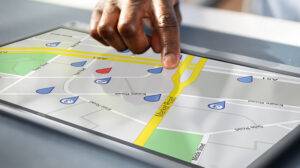
● Live map views of all delivery vehicles
● Alerts for delays, missed scans, or route deviations
● Auto-optimization when changes occur (e.g., customer not available or road blockage)
This visibility empowers operations teams to make decisions in real-time, reducing manual intervention and improving delivery SLAs.
Is your TMS ready for the surge in e‑commerce deliveries? Learn how to adapt it to growing demands in this e‑commerce TMS guide.
5. Contactless, Personalized, and Experience-Driven Delivery
Customers now expect delivery to be not just fast—but convenient, personalized, and safe.
Top trends here include:
● Contactless delivery with OTP or photo proof
● Personalized time-slot selection at checkout
● Driver ratings, in-app feedback, and loyalty incentives
● Branded tracking pages for real-time delivery updates
Your last mile TMS should enhance this customer delivery experience to keep buyers engaged even after checkout.
Final Thoughts: Don’t Let Delivery Be Your Weakest Link
In 2025, delivery isn’t just a logistics function—it’s a key part of your customer experience. Retailers who ignore it will lose customers. Those who invest in it will grow faster, reduce costs, and build stronger brands.
A powerful last mile TMS gives you:
● Better planning
● Faster fulfillment
● Lower costs
● Smarter decision-making
If you want to thrive in the retail world of 2025, now’s the time to act.
Ready to Transform Your Retail Delivery with nuVizz?
At nuVizz, we help retail brands optimize their last mile delivery with our intelligent, AI-powered Last Mile TMS.
Whether you’re delivering across cities or running omnichannel operations, we give you the visibility, flexibility, and tools you need to succeed.
Let’s make your 2025 retail journey faster, smarter, and more profitable—starting today.



A Last Mile TMS (Transportation Management System) is a logistics software that helps retailers manage and optimize the final stage of delivery—from the warehouse or store to the customer’s doorstep. It includes route planning, real-time tracking, proof of delivery, and analytics tools.
In 2025, customers expect fast, accurate, and transparent delivery. Last mile delivery directly impacts customer satisfaction, brand loyalty, and repeat purchases—making it a critical part of modern retail logistics.
Key features include:
Real-time delivery tracking
Dynamic route optimization
Proof of delivery (POD)
Customer notifications & ETAs
Fleet and driver performance dashboards
Integration with eCommerce, POS, and inventory systems
Yes. A smart retail delivery software can handle same-day and next-day deliveries by assigning orders to the nearest hub, optimizing delivery sequences, and offering time-slot scheduling for customers.
Not at all. Even mid-sized and regional retailers benefit from a last mile delivery solution. It helps them scale, reduce costs, and improve customer experience—without needing large delivery fleets.