Blog
Logistics Management 2025: Strategies for Building Resilient and Agile Supply Chains
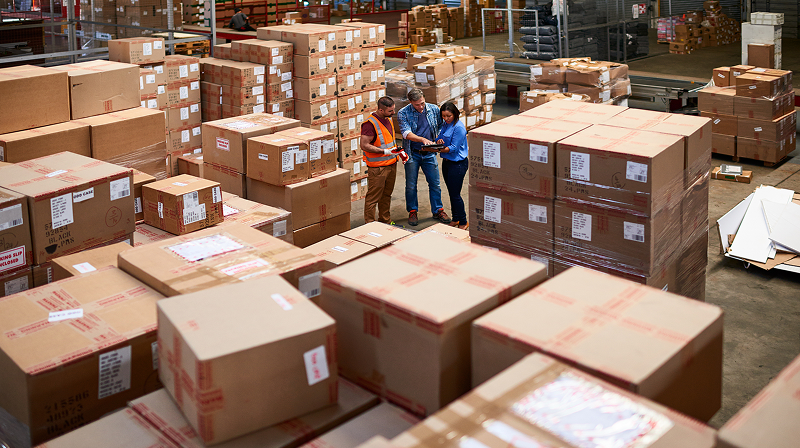
In a post-pandemic world marked by global disruptions, geopolitical shifts, and rising consumer expectations, supply chain resilience has become more than a buzzword—it’s a business imperative. As we step into 2025, logistics management must evolve beyond efficiency into agility, visibility, and resilience. The logistics industry is increasingly turning to digital tools like Last Mile Transportation Management Systems (TMS) to meet these demands head-on.
In this article, we’ll explore how logistics leaders can future-proof operations and build resilient, agile supply chains with strategic approaches, backed by technology, automation, and real-time visibility.
Why Resilience and Agility Are Critical Today
In a fast-changing global environment, logistics operations must be built not only for efficiency but for flexibility and risk tolerance. Traditional, rigid systems can no longer handle the volatility of today’s supply chains. Companies need logistics strategies that help them adapt to disruptions, reroute deliveries in real time, and scale operations up or down based on market conditions. That’s where resilience and agility step in as foundational pillars for logistics success in 2025.
1. Resilience = Business Continuity
A resilient supply chain can withstand unexpected events—be it geopolitical conflict, natural disasters, or supplier shutdowns. This includes:
● Diversifying suppliers and carriers
● Leveraging localized delivery hubs
● Using AI to simulate and prepare for potential disruptions
2. Agility = Speed + Flexibility
Agile logistics is the ability to pivot quickly. This means:
● Rerouting deliveries dynamically
● Managing multi-modal transportation
● Scaling operations based on demand peaks
Enhance your fleet operations—check out fleet management software innovations for efficiency.
Key Strategies for Building Resilient and Agile Supply Chains in 2025
To stay ahead in 2025, logistics businesses must move beyond traditional methods and embrace innovation. Resilience and agility are not just outcomes—they’re built through intentional strategies powered by advanced technology and smarter processes. Below are key approaches that logistics leaders are using to reshape their supply chains for the future.
1. Adopt a Last Mile TMS Platform
A modern Last Mile TMS platform enables shippers and carriers to:
● Gain real-time visibility into deliveries
● Automate route planning and dispatch
● Manage exceptions proactively
● Capture customer feedback digitally
● Integrate with warehouse, ERP, and carrier systems
👉 Explore how nuVizz’s Last Mile TMS empowers shippers and carriers to boost efficiency and visibility across the delivery network.
2. Leverage AI and Automation
AI is central to next-gen logistics. In 2025, leaders are using:
● AI-powered route optimization to reduce fuel costs
● Robotic process automation (RPA) for invoicing, settlements, and alerts
● Predictive analytics for demand forecasting and exception management
3. Enable Real-Time Visibility Across the Supply Chain
From warehouse to doorstep, visibility must be continuous. Tools like:
● Real-time GPS tracking
● Customer visibility portals
● Dynamic ETA updates
Are helping logistics teams create more predictable, transparent experiences.
4. Invest in Load Planning & Dispatch Intelligence
As deliveries become more dynamic, smarter load planning and robodispatch solutions help:
● Optimize vehicle capacity
● Minimize empty miles
● Assign tasks based on live data like driver location, capacity, and delivery type
5. Centralize Data for Better Decision-Making
Unified logistics platforms give managers access to real-time dashboards and key performance indicators (KPIs) such as:
● On-time delivery rate
● Route efficiency
● Driver performance
● Network-wide execution status
Benefits of Resilient and Agile Logistics Management
Implementing resilient and agile strategies is not just about mitigating risks—it’s about unlocking new levels of operational excellence. Companies that embrace adaptive logistics models gain a significant competitive edge through better performance, lower costs, and improved customer satisfaction. Here are some of the key business benefits driving this transformation in 2025:
● Reduced delays and disruption impact
● Higher customer satisfaction and repeat business
● Lower operational costs through smarter planning
● Faster response to market changes and seasonal demands
● Better alignment with sustainability and compliance goals
About nuVizz
nuVizz is a leading logistics technology provider transforming last-mile delivery through AI-powered route planning, robodispatch, load optimization, and real-time visibility. With customers across industries including pharma, retail, auto parts, and 3PL, nuVizz empowers businesses to scale, adapt, and deliver smarter.
👉 Learn more www.nuvizz.com
Conclusion
Logistics management in 2025 requires a bold shift in strategy—from reactive to predictive, from manual to automated, and from siloed to unified. By adopting the right tools and mindsets, supply chain leaders can build resilient and agile logistics systems that don’t just survive uncertainty—but thrive through it.
Whether you’re a shipper, carrier, or logistics service provider, now is the time to invest in scalable, future-ready platforms like Last Mile TMS to unlock long-term competitive advantage.









FAQs
The focus is on building resilient and agile supply chains through digital transformation, automation, and real-time visibility.
It enables dynamic routing, automated dispatch, real-time updates, and centralized control of delivery operations.
Visibility reduces disruptions, improves customer satisfaction, and enables faster, data-driven decisions.
AI, route optimization, RPA, predictive analytics, and integrated TMS platforms are leading the change.
Retail, pharma, 3PL, automotive, and food delivery sectors all gain significantly from agile, tech-enabled logistics.