Blog
Choosing the Right Transportation Management System (TMS) for Modern Logistics
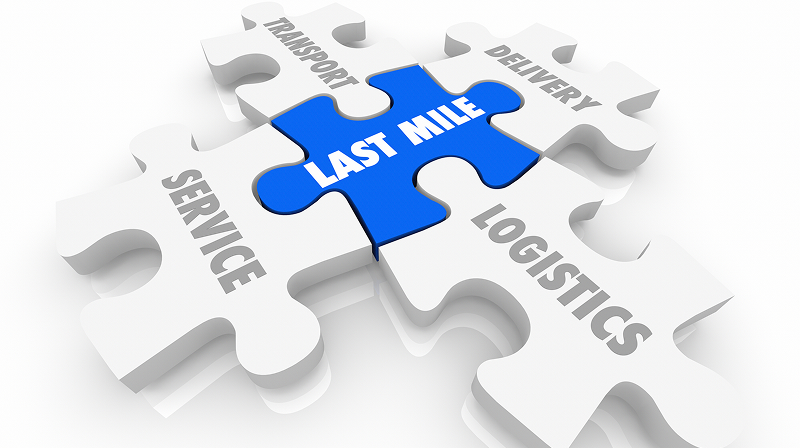
The logistics industry is undergoing a rapid transformation. With the growth of e-commerce, demand for real-time visibility, and customer expectations of same-day delivery, businesses are under pressure to optimize every leg of their transportation process — especially the last mile. At the heart of this transformation lies the Transportation Management System (TMS) — a digital backbone that streamlines planning, execution, visibility, and settlement.
But not all Last Mile TMS platforms are built the same. Choosing the right TMS is a critical decision that can directly impact operational efficiency, cost savings, customer satisfaction, and business scalability. This article explores how businesses can evaluate and select the best Last Mile TMS for the demands of modern logistics, and why platforms like nuVizz are leading the way.
What is a Transportation Management System (TMS)?
A Transportation Management System (TMS) is a logistics software solution that helps businesses plan, execute, and monitor the movement of goods. It centralizes transportation functions such as:
● Route optimization
● Dispatch management
● Carrier selection
● Shipment tracking
● Billing and settlement
● Customer notifications
Modern Last Mile TMS platforms go beyond just freight movement. They are strategic tools that drive data-led decision making, automate repetitive processes, and enhance supply chain agility —especially in the last mile where visibility and control are often the weakest.
Stay ahead of innovation with insights on AI & automation in logistics software (2025 trends).
Why Modern Logistics Requires a Modern TMS
Legacy transportation systems were built for static routes, predictable schedules, and single-channel distribution. Today’s logistics environment is vastly different. Key challenges include:
● Multi-channel delivery models (B2B, B2C, D2C)
● High customer expectations for speed and visibility
● Fluctuating fuel costs and capacity constraints
● Driver shortages and operational inefficiencies
● Compliance with sustainability and safety regulations
A modern Last Mile TMS software must be dynamic, cloud-based, mobile-friendly, and infused with AI- driven intelligence to support real-time decision-making, optimize resources, and adapt to delivery complexities.
Discover 7 proven strategies to optimize reverse logistics in 2025.
8 Key Features to Look for in Last Mile TMS for Modern Logistics
When choosing a Last Mile TMS, logistics leaders must evaluate features not just on what they offer today but how they scale for the future. Below are the top features that define a next-gen transportation management system:
1. Real-Time Tracking and Visibility
A TMS should provide real-time GPS tracking across all stages — pickup, in-transit, and final delivery. Visibility should extend to shippers, carriers, dispatchers, and even end customers via live status updates and ETA predictions.
2. AI-Powered Route Optimization
Manual route planning is inefficient. AI-based route optimization helps select the most cost-effective and time-efficient paths based on live traffic, delivery windows, weather, and load types — essential for last mile delivery performance.
3. Dispatch Automation and RoboDispatch™
Advanced Last mile TMS solutions automate dispatch planning through RoboDispatch™ — an intelligent system that assigns routes and loads based on performance metrics, availability, and delivery requirements.
Explore effective fixes for the top 5 last‑mile delivery challenges & solutions.
4. Load Planning and Capacity Utilization
A good Last Mile TMS should include smart load planning tools that maximize truck utilization, reduce empty miles, and balance loads across available resources.
5. Carrier and Shipper Portals
To ensure seamless collaboration, your Last Mile TMS should offer configurable portals for carriers and shippers — enabling appointment scheduling, document exchange, order management, and performance tracking.
See how route optimization compares against traditional planning in 2025: Route Optimization vs Traditional Planning.
6. Mobile App for Drivers
Drivers are the backbone of logistics. A mobile app with electronic proof of delivery (ePOD), barcode scanning, geofencing, and real-time instructions ensures seamless execution on the road.
7. Billing, Invoicing & Settlements
Automate financial workflows like driver pay, mileage-based payments, customer invoicing, and settlement summaries — reducing admin time and errors.
Make smarter choices with our Last‑Mile Delivery Software Buyer’s Guide.
8. Business Intelligence & Custom Dashboards
Strategic logistics requires data. Choose a Last Mile TMS that offers configurable KPI dashboards and analytics tools to monitor on-time delivery rates, cost per mile, exception reports, and customer satisfaction scores.
How to Evaluate the Right Fit for Your Business
Every logistics operation is different. The right Last Mile TMS should align with your business model, growth plans, and industry-specific needs. Here’s how to approach the evaluation process:
1. Understand Your Operational Gaps
Audit your current processes to identify bottlenecks — is it in routing, tracking, customer communication, or billing? Choose a Last Mile TMS that directly addresses those gaps.
2. Prioritize Scalability
Your TMS should support business growth — whether that means onboarding new delivery partners, expanding into new territories, or integrating with ERP, WMS, and OMS systems.
Discover the role of Last‑Mile TMS in food delivery apps like Swiggy & DoorDash.
3. Focus on Integration Capabilities
A modern Last Mile TMS should offer robust APIs and connectors for integration with your internal systems, ecommerce platforms, and third-party logistics partners.
4. Don’t Underestimate User Experience
Adoption depends on usability. Look for intuitive UIs, mobile accessibility, and ease of training across operations, dispatch, and driving teams.
See how warehouse management meets Last‑Mile TMS efficiency.
Use Case: Choosing a TMS for Retail Logistics
Let’s take an example. A retail brand delivering to stores and customers directly faces challenges like fluctuating volumes, missed ETAs, and customer service overload. They need a TMS that:
● Integrates with their order management system
● Dynamically plans routes based on store schedules and priority deliveries
● Provides real-time customer notifications with branded tracking links
● Offers KPI reporting on delivery performance and driver compliance
A traditional TMS might not handle these nuances. A purpose-built Last Mile TMS like nuVizz delivers these features out-of-the-box with industry-specific customization.
Why nuVizz is the Smart TMS for Modern Logistics
While there are multiple options in the TMS space, nuVizz stands out as a future-ready platform for both shippers and carriers. Here’s why logistics leaders trust nuVizz:
● AI-Powered Route Optimization for dynamic and recurring deliveries
● RoboDispatch™ to automate and optimize dispatch planning
● Marketplace Model for flexible carrier-partner matching
● Real-Time Visibility across multi-terminal and multi-carrier networks
● Shipper & Carrier Portals with appointment scheduling and order tracking
● ePOD with image, signature, and time capture
● Configurable Dashboards & Reports for business intelligence
● End-to-End Digital Workflow from pickup to delivery to billing
nuVizz delivers measurable ROI by improving delivery efficiency, reducing costs, and elevating customer experience. Whether you operate in retail, healthcare, 3PL, auto parts, or furniture logistics, nuVizz offers a scalable and configurable TMS to fit your operational goals.
Conclusion
As the logistics landscape continues to evolve, the TMS you choose today will shape your efficiency, profitability, and agility tomorrow. A modern TMS should not only handle the complexity of today’s deliveries but also prepare you for tomorrow’s demands.
By focusing on real-time data, automated planning, integration flexibility, and industry-specific features, businesses can drive smarter logistics outcomes.
Platforms like nuVizz exemplify what a modern TMS should be — intelligent, adaptive, and built for real-world logistics challenges.







FAQs
A TMS, or Transportation Management System, is a software solution that helps companies manage, optimize, and monitor their logistics operations — crucial for efficient routing, tracking, and delivery performance.
Modern TMS platforms offer cloud-based architecture, real-time visibility, AI-powered planning, mobile apps, and flexible integrations — features often missing in legacy systems.
Yes, nuVizz is scalable and cost-effective, making it suitable for both enterprises and growing logistics businesses.
Real-time tracking, AI-powered routing, ePOD, dispatch automation, analytics dashboards, and seamless integrations are key.
Yes, nuVizz is a fully cloud-native TMS offering flexible deployment, continuous updates, and anytime, anywhere access.