Blog
Why Your Business Needs Last Mile TMS: Top Benefits Explained
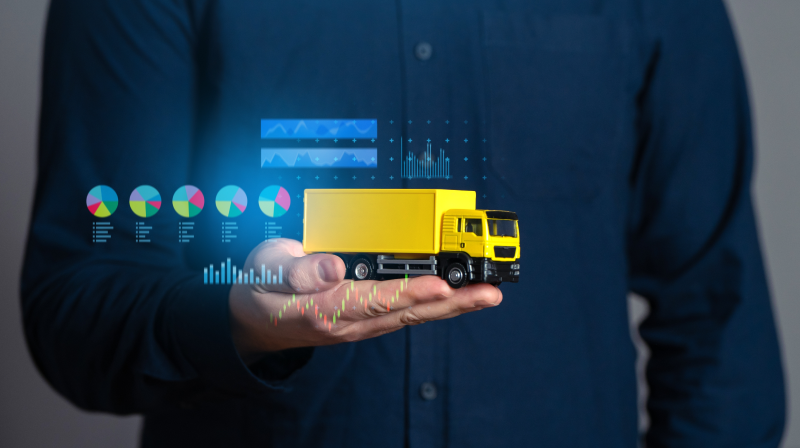
The Last Mile is the most critical stage in the delivery process, linking the initial shipment phase to the final destination. To effectively manage this complex part of the supply chain, businesses rely on a Last Mile Transportation Management System (TMS). This powerful software solution helps optimize delivery routes, cut operational costs, and guarantee on-time deliveries.
In logistics, Last-Mile delivery directly influences cost control, operational efficiency, and customer satisfaction. Its importance has surged with the rapid growth of e-commerce, making it a key factor for gaining a competitive advantage and promoting sustainability through streamlined, effective delivery processes.
In this blog, we’ll delve into why your business needs a Last Mile TMS and how it can drive greater efficiency and boost customer satisfaction.
What is Last Mile TMS?
A Last Mile Transportation Management System (TMS) is a software solution designed to optimize last-mile delivery by reducing costs, improving delivery accuracy, and enhancing customer satisfaction. Key features of a Last Mile TMS include:
⦁ Route optimization:
This technology plans the most efficient delivery routes, reducing fuel consumption and travel time.
⦁ Real-time tracking:
Provides both businesses and customers with up-to-the-minute updates on the delivery status.
⦁ Automated scheduling:
Streamlines delivery assignments, reducing the potential for human error.
⦁ Customer notifications:
Keeps customers informed with timely updates on delivery progress.
⦁ Proof of delivery (POD):
Allows drivers to capture digital signatures or images for delivery confirmation.
⦁ Reporting and analytics:
Provides valuable insights to improve overall delivery performance and operational strategies.
By leveraging these features, a Last Mile TMS can significantly enhance delivery precision and customer engagement.
Challenges of Last-Mile Delivery Without a TMS
Managing Last-Mile logistics without a dedicated Last Mile TMS can create numerous challenges that impact both business efficiency and customer experience. Here are some of the key problems businesses face:
Inefficient Routes
Without route optimization capabilities, businesses often experience delays, as drivers take longer or less efficient routes. This increases fuel costs and delivery times, which negatively impacts customer satisfaction and increases operational overheads.
Lack of Real-Time Visibility
In the absence of a TMS, companies struggle to provide accurate, real-time updates to customers. This lack of visibility leads to uncertainty, a higher volume of customer inquiries, and a poor customer experience, ultimately damaging brand loyalty.
Increased Operational Costs
Manual processes for scheduling, dispatching, and tracking deliveries are prone to inefficiencies and human errors. These errors often result in delivery delays, increased labor costs, and additional operational expenses, making it harder to maintain profitability.
Difficulty in Scaling Operations
As a business grows, managing Last-Mile deliveries manually becomes increasingly difficult. Without a TMS to streamline processes, scaling operations while maintaining service quality becomes a complex task.
Implementing a Last Mile TMS solves these issues, improving operational efficiency, reducing costs, and enhancing customer experience.
Top Benefits of Using Last Mile TMS
Adopting a Last Mile TMS offers several advantages that can streamline your logistics operations. Below are the top benefits:
1. Enhanced Efficiency
Optimized routes lead to faster deliveries and reduced fuel consumption, ensuring more cost-effective operations. A Last Mile TMS helps businesses deliver products faster and at lower costs.
2. Real-Time Visibility
Track deliveries in real-time, providing businesses and customers with transparent updates. This increases control over the delivery process, enhancing operational agility.
3. Improved Customer Experience
With precise Estimated Time of Arrival (ETA) and seamless communication, customers are kept in the loop, significantly improving satisfaction and encouraging customer loyalty.
4. Significant Cost Savings
By automating scheduling, dispatching, and delivery tracking, a Last Mile TMS minimizes human error, reduces labor costs, and cuts operational overheads, leading to substantial cost savings.
5. Scalability
A Last Mile TMS helps businesses handle high delivery volumes, particularly during peak seasons, without sacrificing service quality or efficiency. This scalability is vital for businesses aiming to grow in competitive markets.
6. Sustainability
Eco-friendly route planning within a TMS helps reduce fuel usage and the carbon footprint, promoting a greener and more sustainable logistics operation.
By implementing a Last Mile TMS, businesses can enhance operational efficiency, reduce costs, and improve customer satisfaction, all while supporting sustainability goals.
Conclusion
A Last Mile TMS is an indispensable tool for businesses seeking to optimize their last-mile operations, boost customer satisfaction, and reduce costs. With powerful features like route optimization, real-time tracking, and scalability, adopting a Last Mile TMS will empower your business to thrive in the highly competitive logistics landscape.