Blog
Beyond Basic Labels: Shipping Software for Ecommerce
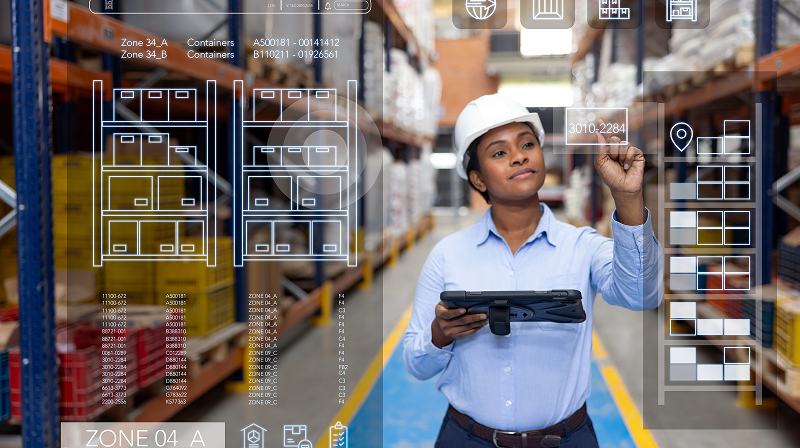
In the early days of an e-commerce brand, shipping is an afterthought. You print a label, a carrier picks it up, and you move on to the next marketing campaign. But as you scale past 500 orders a day, “Simple Shipping” becomes a growth killer.
The industry is seeing a massive shift in 2026. Consumers no longer compare your shipping to your direct competitors; they compare it to Amazon and DoorDash. If you cannot offer real-time windows, branded tracking, and seamless returns, you are facing a permanent “Execution Break”. To bridge this gap, e-commerce leaders are moving toward a Unified Platform that treats the delivery as the most important touchpoint of the customer journey.
The “Label-Only” Trap: Why Legacy Software Stalls E-commerce Growth
Most e-commerce “shipping apps” are effectively just API connectors to parcel carriers. While they are great for printing a 4×6 thermal label, they lack the intelligence to manage a complex supply chain. Here is why the “Label-Only” model fails at scale:
1. The Data Silo (The “Sync Break”)
In a basic setup, your storefront (Shopify, Magento, BigCommerce) and your shipping software are two different worlds. When a customer places an order, the data is pushed to a shipping queue.
● The Problem
If a customer contacts support to change an address or add an item, the shipping software often doesn’t “see” that change in real-time. This results in the wrong item being sent to the wrong place—a classic Sync Break.
● The Smart Fix
A modern Transportation Network Management system uses a Unified Order Capture engine. It doesn’t just “pull” data; it synchronizes it. If a change happens in the ERP or the storefront, the manifest in the warehouse updates in milliseconds, preventing costly shipping errors before the label is even generated.
2. The Limited Carrier Palette
Basic software usually limits you to “Big Three” parcel carriers. But what happens when you need to ship a 75-inch TV? Or a pallet of luxury flooring?
● The Constraint
Parcel-only software cannot handle LTL (Less-Than-Truckload) or Local Courier logic.
● The Evolution
Smart e-commerce software allows for Multi-Tenant Delivery Orchestration. This means you can manage USPS for small items, a local “gig” fleet for same-day city deliveries, and a specialized “White Glove” carrier for heavy items—all inside one dashboard.
3. The “Black Hole” of Post-Purchase Visibility
Once a label is printed in basic software, the brand usually loses control. The customer is sent a link to a generic carrier tracking page.
● The Risk
If a package is delayed, the carrier’s site just says “Delayed.” The customer then calls your support team, not the carrier.
● The AI Edge
Using an Event-Based Workflow Engine, smart software keeps the “Post-Purchase” experience inside your brand’s ecosystem. It monitors the GPS and geofence data of the delivery vehicle to provide Prescriptive Recovery—if a delay is detected, the system sends a branded alert with a solution, not just a notification of a problem.
Omnichannel Integration & Conversational Order Capture
In the “Label-Only” era, shipping was a back-end utility that happened after the sale was finalized. In the New Model, the line between the storefront and the shipping dock has evaporated. To survive in a world where 73% of shoppers use multiple channels before buying, e-commerce brands must build their foundation on Omnichannel Orchestration—ensuring that every digital touchpoint is physically synchronized in real-time.
This foundation isn’t just about moving data; it’s about eliminating the friction that causes cart abandonment and “Where Is My Order” (WISMO) anxiety. By moving to a Unified Platform, brands replace fragmented silos with a single, intelligent thread that connects the “Buy” button to the delivery vehicle’s GPS.
1. The Death of the Batch: Real-Time API Sync
Legacy e-commerce shipping relies on “batches”—downloading orders every hour. In 2026, an hour is an eternity.
● Immediate Visibility
The Platform relies on real-time API/EDI integration. The second a “Buy” button is clicked, the Order Capture module analyzes the inventory location, the customer’s proximity, and the carrier’s current capacity.
● Mirroring the Shipper
This creates a “Mirror Effect” where the warehouse, the storefront, and the customer service team are all looking at the exact same Single Source of Truth.
2. Conversational Order Capture: The New Frontier
E-commerce is no longer a one-way street. Customers expect to interact with their orders.
● AI-Driven IVR & Chatbots
By integrating Conversational Order Capture, brands allow customers to interact with the shipping engine via text or voice.
● Self-Service Adjustments
“Can I pick this up at a locker instead?” or “Can I delay delivery until Friday?” In the Old Model, these requests required a human agent. In the New Model, the AI processes the request, checks the AI for route feasibility, and updates the driver’s manifest automatically.
3. OCR and Document Digitization
Even in e-commerce, paper still exists—especially in international shipping or B2B e-commerce.
● Killing the Paper Trail
Using AI-driven OCR and Doc Scanning, brands can digitize commercial invoices and customs forms instantly. This ensures that “Handling Unit Integrity” is maintained from the moment the box leaves the packing station until it clears customs, preventing the “Information Break” that causes international delays.
AI Vizzard & Dynamic Routing for Modern Retail
In the “Label-Only” model, the shipping decision is binary: Which parcel carrier is cheapest? In the New Model of e-commerce, the decision is multi-dimensional. This is where the AI —the proprietary optimization engine—becomes the most valuable player in your tech stack.
1. The Shift to “Ship-from-Store” (SFS) Logic
For e-commerce brands with physical retail footprints, your stores are no longer just showrooms; they are high-velocity micro-distribution centers.
● The Traditional Failure
Most basic shipping software treats a store like a warehouse. It doesn’t understand that a store has limited “pack-and-ship” labor and different pickup windows than a central DC.
● The AI Vizzard Solution
The engine performs AI-Powered Algorithm Selection. It looks at the customer’s zip code and asks: “Is it cheaper to ship this from the Memphis hub via FedEx, or have a local gig-worker pick it up from our Brooklyn store and deliver it in two hours?” * Dynamic Capacity Balancing: The AI balances the “Order Density” of the day. If a specific store is overwhelmed with foot traffic, the AI automatically reroutes e-commerce fulfillment to a quieter location or the main hub, preventing a “fulfillment break” that leads to late deliveries.
2. Beyond the Poly-Mailer: White-Glove & Big-and-Bulky Logic
E-commerce is moving into “high-consideration” goods—peloton bikes, sectional sofas, and designer refrigerators. You cannot slap a label on these and hope for the best.
● Constraint-Aware Scheduling
This is where the New Model shines. The shipping software must understand Vehicle Capacity and Specialty Skills. If an order requires “room-of-choice” delivery and assembly, the system won’t just book a truck; it will book a two-person team with the specific tools and certifications required.
● Compliance-Aware Routing
The system ensures the route respects local ordinances (no 53-foot trailers in residential cul-de-sacs) and driver HOS (Hours of Service), protecting the brand from the legal and reputational risks of a safety incident.
3. Dynamic Slot Selection: Giving Power Back to the Consumer
The biggest friction point in e-commerce is the “Delivery Window.”
● The Manual Guess
Basic software gives a 3-to-5 day estimate.
● The Smart Choice
With Dynamic Slot Selection, your checkout page becomes an extension of your routing engine. A customer can see actual available delivery windows (e.g., “Tuesday 2 PM–4 PM”) based on the real-time location and capacity of your fleet.
● Density-Based Pricing
You can even offer “Green Delivery” discounts for slots where a truck is already scheduled to be in that neighborhood, increasing your Stops-per-Mile and reducing your carbon footprint.
Cross-Docking & Micro-Fulfillment Excellence
Even the best AI cannot fix a broken physical process. How smart e-commerce software manages the Physical Execution through hubs and spokes.
1. Predictive Hub Synchronization
As e-commerce brands grow, they often move to a “Hub and Spoke” model to keep inventory closer to customers.
● The Synchronization Break
In manual systems, the warehouse doesn’t know when the truck is arriving, and the truck doesn’t know if the warehouse is ready.
● The Fix
Using Predictive Hub Synchronization, the system uses GPS data from inbound shipments to trigger labor workflows in the warehouse. By the time the trailer hits the dock, the cross-docking team is staged and ready to move the “Handling Units” to the final-mile vans.
2. Maintaining “Handling Unit Integrity”
In e-commerce, a “miss-ship” is a lost customer.
● Granular Tracking
Basic software tracks the order. Smart software tracks the Handling Unit (the box, the pallet, or the crate).
● The Inter-Hub Audit
As an e-commerce order moves from a regional DC to a local micro-fulfillment center, every scan is a “healing” event. If a box is scanned into the wrong staging lane, the system triggers an immediate alert via the Event-Based Workflow Engine, stopping the error before the package leaves the building.
Real-Time Command: Visibility that Wins Customer Loyalty
For a modern e-commerce consumer, the “Shipping Experience” is the product. If they don’t know where their order is, or if the tracking link is broken, the quality of the item inside the box doesn’t matter. This is where the Event-Based Workflow Engine transforms “Shipping” into “Service”.
1. Beyond the Passive Tracking Number
Legacy shipping software relies on carrier-provided data. When a parcel carrier misses a scan, the customer sees “Label Created” for three days.
● The “Black Hole” Effect
This silence triggers “Where is my order?” (WISMO) calls, which cost e-commerce brands an average of $5 to $12 per inquiry.
● The Smart Fix
By using a Unified Platform, the brand owns the data. The system uses GPS and geofencing from the actual delivery vehicle—whether it’s a 3PL partner or an internal fleet—to provide Branded Customer Alerts. The customer stays on your website or your app, keeping your brand front-and-center.
2. Prescriptive Recovery: Fixing the “Execution Break” Mid-Route
What happens when a truck breaks down or a driver is delayed by a massive snowstorm?
● The Manual Failure
In a basic setup, the customer finds out when the package doesn’t arrive. They are frustrated, and your support team is reactive.
● The AI Edge
The Event-Based Workflow Engine acts as a “Digital Guardian”. If the system detects a geofence deviation or a stop that is taking 20% longer than the AI predicted, it triggers Prescriptive Recovery.
● Proactive Communication
The system automatically pushes a notification: “We’ve hit a snag in traffic, but we’re still on our way! Your new ETA is 4:15 PM.” By “healing” the expectation before it becomes a disappointment, you turn a potential negative review into a demonstration of reliability.
3. AI-Enhanced Proof of Delivery (ePOD)
In 2026, a “Delivered” status is no longer enough. Porch piracy and “did not receive” claims are at an all-time high.
● The Digital Audit Trail
Smart e-commerce software requires AI-Enhanced POD. This isn’t just a signature; it’s a high-resolution photo of the package at the door, a GPS timestamp, and a geofence confirmation.
● Dispute Resolution
If a customer claims they didn’t get their package, your support team has an indisputable record. This “Financial Integrity” saves e-commerce brands thousands in fraudulent reshipment costs every month.
AI-Driven Returns & Reverse Logistics
The biggest “Margin Killer” in e-commerce isn’t the outbound shipping—it’s the Return. Most brands treat returns as a “Sync Break” where inventory disappears for weeks.
1. The Chaos of Manual Returns
In the old model, a customer prints a return label, drops it at a post office, and the package crawls back to a warehouse.
● The Profit Leak
The item sits in a “Returns Pile” for 10 days before it’s inspected. By the time it’s back in stock, the season is over, or the item is outdated.
● The Opportunity Cost
Your capital is tied up in “Inventory Limbo.”
2. Automated Return Orchestration
Smart shipping software treats a return exactly like an outbound delivery—with the same AI optimization.
● Reverse Route Densification
If you have a driver delivering an order on Elm Street, the AI checks if there is a pending Reverse Logistics pickup on the same block. By “Commingling” deliveries and pickups, you cut your return fuel costs by up to 30%.
● Reverse Cross-Docking
When the return reaches the local hub, the system uses Workflow-Driven Hub Operations to prioritize the inspection.
3. Inventory Integrity: “Available to Sell” in Real-Time
The goal of smart reverse logistics is to get the item back on the digital shelf as fast as possible.
● The Digitized Inspection
Using a mobile app, the warehouse team scans the returned item, takes a photo of its condition, and the Unified Platform instantly updates the storefront inventory.
● The Financial Loop
Because the return is verified by AI (GPS/Geofence), the Automated Settlement engine can trigger the customer’s refund the second the driver picks up the item, creating a “Wow” factor that drives repeat purchases.
Scaling the Multi-Carrier E-commerce Network
As an e-commerce brand grows, the “Shipping Bill” becomes one of the largest line items on the P&L. In the “Label-Only” world, you pay whatever the carrier invoices you. In the New Model, you treat every shipping cent with Automated Financial Integrity.
1. Rule-Based Billing: The End of “Invoice Creep”
Parcel carriers are notorious for “Accessorial Fees“—residential surcharges, fuel adjustments, and “extended area” delivery fees that were never in the original quote.
● The Manual Leak
Most e-commerce teams lack the time to audit 5,000 individual tracking numbers against their monthly UPS or FedEx bill.
● The Smart Fix
Using Configurable Customer Billing Rules, the platform automatically audits every carrier invoice against the actual GPS and geofence data. If a carrier charges a “Residential Surcharge” for a commercial address, the system flags the dispute instantly, saving brands an average of 3% to 7% in annual shipping spend.
2. Automated Settlement for 3PLs and Gig-Fleets
If you are using a mix of your own vans, local couriers, and national 3PLs, the accounting becomes a nightmare.
● The Verification Break
How do you know the courier actually made the 50 deliveries they billed you for?
● The Digital Handshake
Automated Driver & Contractor Settlement uses verified AI events. A payment is only triggered when the Event-Based Workflow Engine confirms a successful geofence exit and a photo POD. This “Financial Loop” ensures that you only pay for completed, high-quality execution.
Turning Shipping Data into a Competitive Weapon
The final layer of the Platform is Analytics. In 2026, shipping data isn’t just a report; it’s a map for where to open your next warehouse.
1. Identifying “Margin Leakers” with ML
Basic software tells you what you spent. Smart software tells you why you lost money.
● Cost Benchmarking
Using Machine Learning, the system identifies “Problem Zones”—zip codes where delivery windows are consistently missed or where the “Cost-per-Stop” is eroding your product margin.
● Network Optimization
This data tells “We are spending too much shipping to Chicago from California. We need a Micro-Fulfillment Center in Illinois.”
2. Carrier Performance Scorecards
Don’t guess which carrier is better; use the AI to prove it.
● The Truth in Data
The platform generates Carrier Performance Reporting that ranks every partner based on actual “On-Time Delivery” (OTD) and “Damage Rates”. This gives you the leverage you need during annual contract negotiations to demand better rates for better service.
Conclusion: The New Era of E-commerce Fulfillment
Scaling an e-commerce brand to a global level requires a move Beyond Basic Labels. The brands that will dominate the next decade are those that view shipping not as a “post-purchase” necessity, but as a Digital Orchestration of the entire customer journey.
By integrating the Platform, you are choosing to:
- Eliminate the Sync Break between your store and your warehouse.
- Optimize with AI to offer faster, greener, and more flexible delivery windows.
- Command the Experience with branded, real-time visibility that “heals” delays before the
customer notices. - Master the Return by turning reverse logistics into a profit-saving asset.
The “Label-Only” era is over. The era of Smart E-commerce Logistics has arrived.









FAQs
Basic labels only provide a carrier tracking number, whereas ecommerce orchestration integrates the entire journey—from Order Capture to Reverse Logistics—using AI to ensure 100% visibility and efficiency.
Ship-from-store uses the AI Vizzard engine to turn retail locations into micro-distribution hubs, reducing the "Stem Time" to the customer and allowing for faster, local, and more sustainable delivery options.
Reverse logistics, when optimized with Automated Settlement and Hub Orchestration, ensures that returned inventory is scanned and put back into "Available to Sell" status in hours, not weeks, protecting brand margins.
By using an Event-Based Workflow Engine, brands can send Branded Customer Alerts with real-time GPS updates and Prescriptive Recovery notifications if a delay occurs, keeping the customer informed without needing a support call.