Blog
Role of Robotics and AI in Warehouse Automation for Last-Mile Success
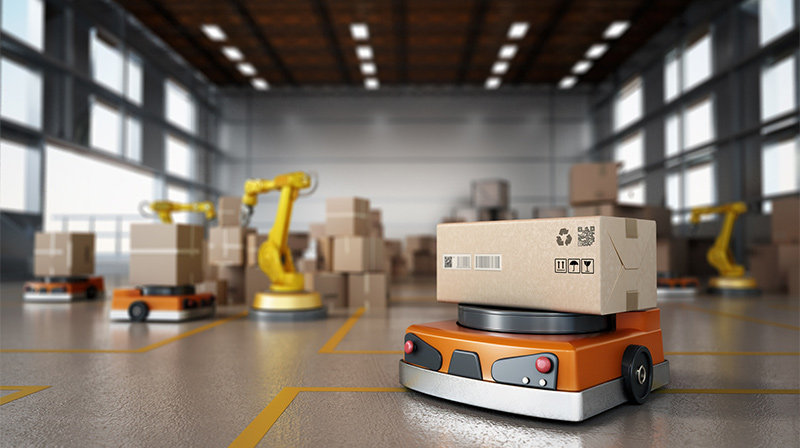
The logistics industry is changing quickly. Today’s consumers demand perfect service, real-time tracking, and quicker deliveries—all while businesses work to reduce operating expenses. The solution? artificial intelligence (AI) and robotics. By working together, they are converting warehouses from hubs of labor into intelligent, automated powerhouses that create the conditions for successful last-mile deliveries.
Even little delays or inefficiencies can have an impact on earnings and customer satisfaction in last-mile delivery, which accounts for 53% of transportation expenses. Businesses may attain previously unheard-of efficiency from warehouse to doorstep by combining cutting-edge robotics, artificial intelligence, and last-mile delivery systems.
5 Real Challenges in Last-Mile Logistics – Beyond the Usual
The genuine bottlenecks in the logistics ecosystem are frequently located deeper, and this is where robotics and artificial intelligence (AI) can truly disrupt the system, despite the well-known high prices, delays, and visibility gaps.
1. Data Fragmentation Across Systems
A lot of businesses utilize separate software for routing, warehouse management, and last-mile tracking, among other tasks. Missed optimization opportunities result from the absence of AI-enabled integration between last mile delivery systems and warehouse automation.
2. Unpredictable Urban Dynamics
Urban traffic rules (low-emission zones, restricted hours), pop-up dark businesses, and micro-fulfillment centers are all contributing to the unpredictability of last-mile routes. Without real-time AI-powered route optimization software, static routing models are unable to adapt to this changing environment.
3. Labor Volatility and Skill Gaps
Rising wages, seasonal increases, and labor shortages frequently cause problems in warehouses. Businesses find it difficult to increase operations while preserving precision in the absence of robotic picking systems and autonomous mobile robots (AMRs).
4. Inventory-Delivery Disconnect
Conventional warehouses frequently schedule fulfillment separately from delivery schedules. For example, last mile delivery route optimization may be delayed if items are kept distant from dispatch zones. Dynamic slotting facilitated by robotics helps realign inventories to delivery zones with high demand.
5. Customer Experience Paradox
Although retailers guarantee same-day or hyper-local delivery, fulfillment processes are frequently not built for this flexibility. Businesses overspend on overtime and gasoline, which reduces profitability, if AI isn’t used to forecast demand spikes or optimize delivery truck routing software.
Blind spots in delivery operations lead to costly mistakes.
Gain Real-Time Last-Mile VisibilityHow Robotics is Revolutionizing Warehouse Automation
Robotics is no longer an auxiliary tool in logistics—it is becoming the backbone of modern warehouse automation. By integrating robotics with AI-driven routing software for deliveries, warehouses are evolving into intelligent fulfillment hubs that set the pace for last-mile delivery success.
1. Autonomous Mobile Robots (AMRs) and Collaborative Robots (Cobots)
Modern AMRs navigate warehouses autonomously using LiDAR, computer vision, and AI algorithms, picking and transporting goods with minimal human intervention. Cobots complement human workers by handling repetitive, high-frequency tasks such as scanning, labeling, or shelf restocking.
- Impact on last mile delivery:
By accelerating picking and reducing order processing errors, AMRs ensure that last mile delivery platforms receive shipments faster and with higher accuracy. This directly supports real-time route dispatch software and improves on-time delivery rates.
2. Intelligent Sorting, Shelving & Dynamic Slotting
Beyond simple conveyor systems, next-generation robotic arms use machine learning to optimize sorting based on delivery urgency, destination clustering, and packaging type. Dynamic slotting ensures that high-demand SKUs are placed closer to dispatch zones, minimizing retrieval time.
- Impact on last mile logistics:
This ensures seamless integration with last mile delivery route optimization tools, reducing dwell times at loading bays and enabling drivers to start their routes earlier.
3. Scalable Fulfillment on Demand
Traditional scaling requires seasonal hiring surges, extensive training, and increased error risks. Robotics changes this dynamic with modular, easily deployable units that can ramp up or scale down operations in real time.
- Impact on peak season delivery:
During holiday peaks or flash sales, warehouses powered by robotics can fulfill higher order volumes without creating last-mile delivery bottlenecks or compromising route scheduling efficiency.
4. Robotics + AI = Predictive Fulfillment
The true revolution lies in the fusion of robotics and AI. AI predicts demand spikes, aligns robotic picking priorities with real-time transportation visibility platforms, and dynamically allocates resources to match delivery commitments.
- Impact on cost savings:
Less idle inventory, fewer misrouted shipments, and optimized delivery truck routing software all contribute to lower operational costs.
AI is cutting costs and boosting efficiency for shippers & carriers.
See How AI Transforms Logistics4 AI-Powered Insights Driving Last-Mile Success
Artificial Intelligence (AI) is no longer a support tool—it’s the decision-making engine behind modern logistics. By integrating AI with warehouse automation, last mile delivery platforms, and route optimization tools, companies unlock real-time intelligence that minimizes inefficiencies and maximizes delivery performance.
1. Dynamic Route Planning & Optimization
Traditional route planning relies on static schedules that can’t adapt to real-world disruptions. AI-driven dynamic route planning software analyzes live traffic data, weather conditions, delivery density, and driver availability to automatically recalculate routes in real time.
- Impact on last mile delivery:
Ensures on-time deliveries while cutting fuel costs and fleet idle time. Integrated with route dispatch software, it helps logistics managers dynamically prioritize high-value or time-sensitive deliveries.
2. Predictive Inventory & Demand Forecasting
AI doesn’t just react—it predicts. By analyzing historical sales patterns, seasonal spikes, and regional buying behavior, AI algorithms align warehouse inventory with last-mile delivery requirements.
- Impact on warehouse automation:
Reduces overstocking and stockouts, ensures products are stored closer to high-demand delivery zones, and supports faster dispatches for same-day or next-day deliveries.
3. Real-Time Visibility & Proactive Communication
With AI-powered last mile visibility software, dispatchers gain end-to-end control over delivery operations. From live GPS tracking to automated customer notifications, AI enables proactive communication that minimizes failed deliveries.
- Impact on customer satisfaction:
Real-time ETAs, instant alerts about delays, and automated rescheduling options enhance transparency, reduce missed deliveries, and build customer trust.
4. Exception Management & Autonomous Decision-Making
AI identifies potential disruptions—such as vehicle breakdowns, route bottlenecks, or sudden demand surges—and triggers autonomous corrective actions, such as rerouting deliveries or reallocating fleet resources.
- Impact on operational efficiency:
Less manual intervention, faster decision cycles, and higher delivery success rates.
Integration of Robotics, AI & Last Mile TMS Platforms
The real game-changer in modern logistics is not just adopting robotics or AI individually, but integrating them within a robust Last Mile TMS platform. This convergence creates a connected, data-driven supply chain where every step—from picking to doorstep delivery—operates in perfect sync.
1. Warehouse Intelligence Meets Real-Time Routing
By connecting robotic warehouse automation systems with delivery route planning software, businesses can ensure that every shipment is processed, packed, and dispatched based on live delivery constraints. Inventory data, demand forecasts, and pick-path optimizations feed directly into dynamic route planning software, reducing dwell times and unnecessary re-routing.
2. Seamless Handoff from Warehouse to Final Mile
The best last mile TMS software acts as the central nervous system, ensuring a frictionless transition from warehouse shelves to the customer’s doorstep. Robotic sorting and AMRs trigger instant updates in the TMS, while AI-driven dispatch routing software allocates deliveries based on proximity, priority, and SLA commitments.
3. Breaking Down Operational Silos
Traditionally, warehouses, transport teams, and last-mile operators functioned in separate ecosystems. A unified last mile delivery platform with TMS integration eliminates these silos by centralizing planning, visibility, and execution. This ensures real-time transportation visibility for dispatchers, drivers, and customers alike.
4. Smarter, More Reliable & Cost-Efficient Deliveries
With AI-powered decision-making and robotics-enabled fulfillment, companies reduce manual errors, optimize fleet utilization, and lower operational costs. This integrated model supports real-time route optimization, last mile management, and predictive analytics to meet growing expectations for same-day and next-day delivery.
Lack of visibility leads to delays, higher costs, and unhappy customers. Discover the Future of Last-Mile VisibilitySustainability Impact: Greener Logistics with AI & Robotics
Sustainability is no longer a corporate checkbox—it has become a core competitive advantage in last-mile logistics. With increasing regulatory pressures, rising fuel costs, and environmentally conscious consumers, companies are turning to AI-powered logistics software and robotics-enabled warehouses to drive green initiatives without compromising efficiency.
1. Smarter Energy & Resource Management
Robotics systems paired with AI-driven warehouse automation software can optimize lighting, HVAC, and conveyor energy usage based on operational demand. Predictive algorithms ensure equipment operates only when needed, significantly cutting waste and energy consumption.
- Impact on carbon footprint: Reduced idle power consumption and optimized warehouse workflows lead to measurable sustainability gains.
2. Autonomous Electric & Low-Emission Fleets
AI and robotics are paving the way for autonomous electric delivery vehicles and drones to handle the final mile. These systems integrate with last mile delivery platforms to schedule, monitor, and optimize routes for EVs, ensuring compliance with urban emission regulations and reducing fleet emissions.
3. Intelligent Route Optimization for Emissions Reduction
Dynamic route planning and optimization software powered by AI analyzes traffic, delivery density, and vehicle capacity to minimize fuel consumption. Shorter travel distances and fewer failed delivery attempts mean lower emissions per package delivered.
4. Data-Driven Sustainability Reporting
With integrated TMS optimization and last mile visibility software, companies gain actionable data on emissions, fuel savings, and CO₂ reduction—helping them meet ESG goals and report accurately to stakeholders.
Future Outlook: Autonomous Logistics is on the Horizon
The next decade is set to redefine how goods move from warehouse to doorstep. Autonomous logistics, powered by AI, robotics, and next-generation last mile delivery platforms, will create a fully connected, highly efficient supply chain ecosystem.
1. Drones & Autonomous Vehicles in Urban Deliveries
Urban centers will increasingly rely on drones, autonomous vans, and electric delivery bots to handle short-distance and hyperlocal deliveries. Integrated with real-time route dispatch software, these fleets will bypass congestion, reduce delivery times, and lower emissions.
2. Lights-Out Warehouses
Future-ready warehouses will operate as “lights-out facilities”—highly automated spaces where robotic picking systems, autonomous mobile robots (AMRs), and AI-driven inventory management tools run 24/7 with minimal human intervention. This not only boosts fulfillment speed but also ensures a continuous flow of goods for last-mile operations.
3. Human-Robot Collaboration (Cobots)
Full automation won’t eliminate human roles—it will enhance them. Cobots will manage repetitive, labor-intensive tasks like scanning, packaging, or restocking, while humans oversee strategic functions such as AI-driven route optimization planning, customer experience management, and exception handling.
4. Predictive & Autonomous Decision-Making
Advanced TMS optimization platforms will merge robotics data with real-time market intelligence to make autonomous decisions—rerouting fleets, reprioritizing orders, or reallocating resources without manual intervention.
Conclusion: Building a Smarter Last Mile
The integration of Robotics and AI into warehouse automation is more than a leap in efficiency—it’s a strategic move toward delivering exceptional last-mile experiences. From intelligent route planning software that cuts fuel waste to real-time last mile visibility platforms that keep customers informed, the future of logistics belongs to businesses that embrace this synergy early.
By adopting robotics-enabled fulfillment, AI-powered delivery route optimization, and best-in-class Last Mile TMS software, companies can:
- Reduce operational costs while scaling faster.
- Achieve higher on-time delivery rates with fewer failed attempts.
- Enhance customer loyalty through transparency and reliability.
The winners of the next logistics era will be those who turn their warehouses into smart hubs and their last mile into a competitive advantage.
Ready to transform your last mile?
Discover how nuVizz’s last mile delivery logistics solutions combine route optimization software, dynamic route planning tools, real-time transportation visibility, and advanced TMS platforms to streamline your warehouse-to-doorstep journey—efficiently, sustainably, and intelligently.
Ready to optimize your logistics and last-mile delivery?
Get in Touch with Our Experts





FAQs
Robotics streamline warehouse operations by automating tasks like picking, packing, and sorting. Autonomous Mobile Robots (AMRs) and robotic arms reduce errors, speed up order processing, and ensure goods are dispatched on time, directly improving last mile delivery route optimization.
AI enhances route planning and delivery scheduling by analyzing real-time traffic, weather, and delivery density. It also provides predictive demand forecasting and real-time transportation visibility, reducing delays and lowering operational costs.
Yes. By integrating robotics-enabled warehouses with dynamic route planning software, companies reduce fuel costs, minimize idle fleet time, and eliminate manual inefficiencies—cutting last-mile delivery expenses, which account for nearly 53% of total shipping costs.
A Last Mile TMS software acts as the central hub, connecting warehouse automation systems, route dispatch software, and AI-powered visibility tools. This integration ensures seamless handoffs from warehouse to doorstep and enhances end-to-end delivery orchestration.
Expect to see lights-out warehouses, drone-based urban deliveries, autonomous delivery vehicles, and AI-driven predictive logistics platforms that make last-mile operations faster, greener, and more cost-efficient.