Blog
Understanding Reverse Logistics: The Role of Last Mile TMS in Returns
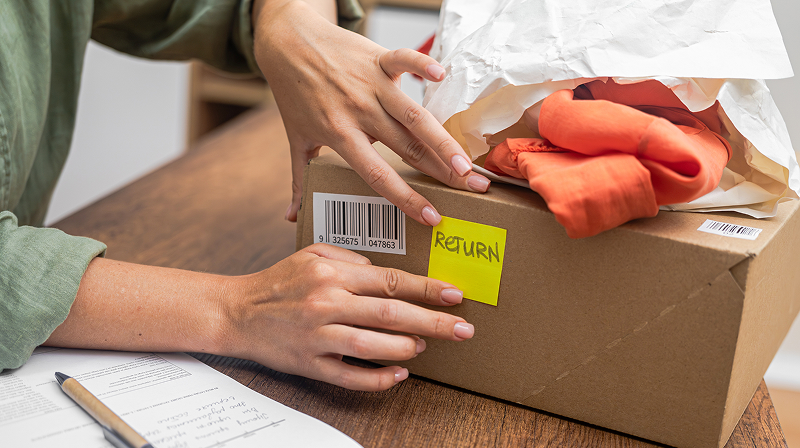
In today’s hyperconnected world of eCommerce, faster deliveries are expected—but seamless returns have become equally important. As the volume of returns increases, reverse logistics has emerged as a critical component of modern supply chain operations. Efficient returns management not only improves customer satisfaction but also minimizes costs and maximizes value recovery.
Enter the Last Mile Transportation Management System (TMS)—a technology solution that streamlines not just deliveries, but also the reverse logistics process. In this blog, we explore how Last Mile TMS plays a pivotal role in making returns smarter, faster, and more customer-centric.
What Is Reverse Logistics?
Reverse logistics refers to the movement of goods from the customer back to the seller or manufacturer. It includes processes like product returns, recycling, refurbishment, and disposal. In contrast to the forward logistics that handles order fulfillment, reverse logistics handles everything after the sale.
With the eCommerce boom and generous return policies, the reverse supply chain has grown exponentially. According to industry studies, return rates in online retail can be as high as 30%, making returns management a key priority for logistics providers.
Challenges in Reverse Logistics
Managing reverse logistics can be complex and expensive. Some of the common challenges include:
● Fragmented return processes
Handling returns without standardization leads to inefficiencies.
● High operational costs
Additional pickups, restocking, and processing increase logistics expenses.
● Lack of real-time visibility
Businesses struggle to track the status of return shipments.
● Customer dissatisfaction
Delayed pickups or refunds can damage brand reputation.
Traditional logistics systems are not designed to handle these complexities, which is where Last Mile TMS steps in.
The Role of Last Mile TMS in Streamlining Reverse Logistics
A robust Last Mile TMS brings structure and efficiency to reverse logistics workflows. Here’s how it helps:
1. Automated Return Scheduling
Customers can initiate return requests through integrated platforms, triggering automatic pickup scheduling with optimal route planning.
2. Real-Time Return Tracking
Just like forward shipments, returns are tracked with real-time updates. This transparency boosts customer confidence and reduces inbound call volumes.
3. Smart Return Routing
Returns are intelligently routed using AI-powered dispatching to minimize fuel costs and balance driver capacity.
4. Data-Driven Insights
With centralized dashboards, logistics teams gain insights into return trends by product, region, or channel—enabling informed decision-making.
5. Seamless Customer Communication
Automated SMS/email updates keep customers informed about pickup times, return status, and refund processing, enhancing satisfaction.
Benefits of Using a Last Mile TMS for Reverse Logistics
Integrating a Last Mile TMS into your reverse logistics strategy delivers measurable benefits:
● Faster return cycles
● Improved customer experience and loyalty
● Cost reduction through route and load optimization
● Eco-friendly operations via efficient return pickups
● Streamlined compliance and documentation for regulated industries
Whether you’re managing returns in retail, pharma product recalls, or automotive part exchanges, a Last Mile TMS simplifies the entire process.
Real-World Use Cases
Industries across the board are adopting return logistics software to manage reverse flows:
● Retail
Simplifying customer-initiated returns and restocking processes.
● Pharmaceuticals
Ensuring secure handling of expired or recalled products.
● Furniture Delivery
Managing bulky returns with precise scheduling and routing.
● Auto Parts
Streamlining warranty-based returns and part replacements.
Each use case leverages Last Mile TMS features such as robo dispatch, load planning, delivery tracking, and customer portals for self-serve operations.
About nuVizz Last Mile TMS
nuVizz’s Last Mile TMS is designed to support both forward and reverse logistics operations. With a cloud-native platform, mobile apps, real-time dashboards, and advanced route optimization, nuVizz empowers logistics providers to:
● Manage pickup and return flows effortlessly
● Automate dispatch with RoboDispatch™
● Offer branded customer communication and feedback loops
● Enable smart load planning and terminal-specific routing
● Track and analyze reverse logistics KPIs
From first-mile pickups to last-mile returns, nuVizz delivers end-to-end logistics visibility and efficiency.
Conclusion
As customer expectations evolve, businesses must treat returns not as a burden, but as an opportunity. A well-managed reverse logistics process boosts customer loyalty, improves operational efficiency, and supports sustainable supply chain practices.
With the help of an intelligent Last Mile TMS, logistics companies can bring the same precision and automation to returns that they do to deliveries. And in doing so, they future-proof their operations in a competitive landscape.








FAQs
Reverse logistics involves handling returned products, recycling, refurbishing, or disposal, moving goods from the customer back to the supplier.
It automates return scheduling, optimizes pickup routes, tracks returns in real time, and provides dashboards for visibility and analytics.
High return rates in eCommerce demand efficient return handling to reduce costs, ensure customer satisfaction, and maintain brand reputation.
Yes, by optimizing routes, consolidating pickups, and reducing idle driver time, a TMS lowers overall logistics costs.
Retail, pharmaceuticals, furniture, and auto parts industries see the most impact due to high return volumes and regulatory requirements.