Blog
How Real-Time Visibility is Revolutionizing Last-Mile Delivery Operations
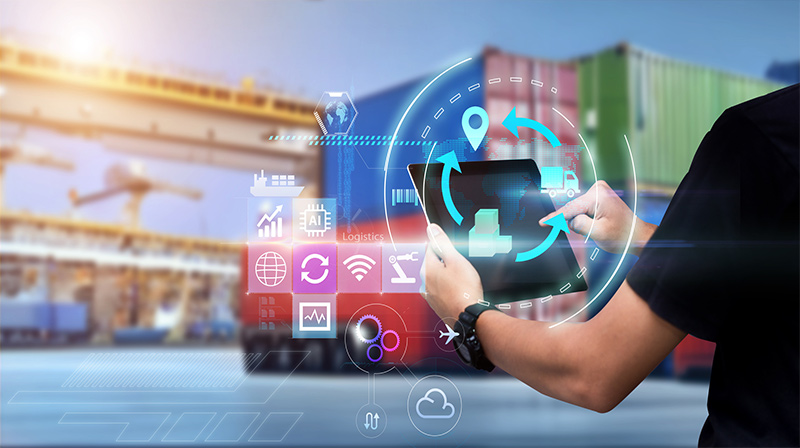
Every delayed package carries more than a missed ETA — it represents lost revenue, potential churn, and inefficiency rippling through your supply chain. The last mile alone accounts for over 50% of total shipping costs, yet many businesses continue to operate with limited visibility and reactive management.
In a fast-evolving landscape where customer expectations shift by the hour, real-time visibility isn’t a luxury anymore — it’s a strategic necessity. It empowers businesses to see every moving part of their delivery network, make faster decisions, and proactively prevent failures before they impact the customer experience.
1. From Static Tracking to Predictive Delivery Intelligence
Traditional tracking tells you where a truck was five minutes ago. That’s no longer enough. Today’s logistics leaders are adopting predictive visibility platforms that don’t just track, but also forecast disruptions and prescribe the best responses in real-time.
What This Looks Like in Practice:
- AI-driven route recalibration: Adjusting delivery routes mid-journey when traffic patterns shift.
- Dynamic ETA forecasting: Providing customers and operations teams with accurate, live arrival times.
- Exception management alerts: Notifying dispatchers before delays escalate.
- Driver performance analytics: Capturing and analyzing behavior to improve service levels.
This proactive intelligence transforms logistics from a reactive firefighting model to a forward-thinking, profit-driven operation.
2. Real Business Impact: More Than Just Faster Deliveries
Real-time visibility affects every layer of your delivery operation. Let’s break down its top three business-changing impacts.
a. Transforming Deliveries into a Retention Powerhouse
Customers have moved past generic “out for delivery” notifications. They demand transparency, choice, and assurance.
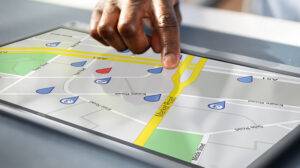
- Live maps with driver tracking enhance trust.
- Real-time alerts reduce inbound support calls by up to 40%.
- Flexible, customer-controlled delivery windows drive repeat purchases.
Case in point: A regional retailer that implemented real-time visibility via nuVizz reported a 15% lift in customer retention within six months.
b. Cutting Hidden Operational Costs
Delivery failures, empty miles, idling fleets, and emergency reroutes silently eat into margins. Real-time visibility minimizes these leakages by:
- Rerouting vehicles instantly when high-traffic zones emerge,
- Optimizing multi-stop deliveries to reduce fuel consumption,
- Automating dispatch based on live capacity and proximity.
This can save 12–18% in annual last-mile spend, especially in industries where tight delivery windows and SLA penalties are the norm.
Scaling deliveries without the right platform is costly.
Scale Smarter Todayc. Turning Data into a Strategic Asset
Every completed delivery generates valuable data — but without visibility, it remains trapped in silos. With a connected platform:
- Bottlenecks can be predicted before they become chronic.
- Seasonal surges can be planned without hiring excess staff.
- Performance-based incentives can be tied to live metrics, not monthly summaries.
Data becomes the foundation for scalable, predictable growth rather than just a reporting tool.
3. Risks of Operating Without Real-Time Visibility
Operating a last-mile delivery network without real-time visibility isn’t just inefficient — it’s risky and expensive. Many businesses still rely on outdated or fragmented tracking systems, and the consequences ripple across the entire supply chain. From missed ETAs to inflated costs, the lack of transparency can quickly erode both profits and customer trust.
Overpromised and Missed ETAs
Without live tracking and predictive analytics, most delivery schedules are based on static plans or manual estimates. When unexpected disruptions like traffic jams, sudden weather changes, or last-minute cancellations occur, customers remain in the dark. The results?
- Frustrated customers leaving negative reviews,
- Call centers flooded with “Where is my order?” calls,
- Declining brand loyalty and repeat orders.
Escalating Customer Support Costs
Every delayed or lost delivery creates a support challenge. Without a unified visibility platform, teams spend hours contacting drivers, coordinating with dispatchers, and manually updating customers. Over time, this:
- Inflates operational expenses,
- Slows down response times for other service issues,
- Drains resources that could otherwise fuel growth initiatives.
Underutilized Fleet Capacity
Inefficient fleet allocation is a silent profit killer. When dispatchers cannot view real-time capacity, vehicles often run half-empty or follow inefficient delivery sequences. This leads to:
- More trips with less load density,
- Increased fuel consumption and driver fatigue,
- Higher risk of SLA breaches for time-sensitive deliveries.
Reverse Logistics Becomes a Money Drain
Returns and failed deliveries are unavoidable in last-mile operations, but without real-time coordination, they become costly. Drivers may miss optimal pickup windows, and packages might bounce between hubs unnecessarily. For industries like retail and eCommerce, the cost of redeliveries can climb by 20–30% per order — eating into already tight margins.
Compliance and Sustainability Challenges
With evolving regulations — from low-emission zones to driver hour limits — the lack of visibility is a compliance liability. Companies struggle to:
- Track route emissions accurately,
- Provide compliance proof during audits,
- Meet ESG (Environmental, Social, Governance) commitments for sustainability.
Loss of Market Competitiveness
In 2025, real-time visibility is no longer a competitive advantage — it’s an expectation. Companies that deploy real-time platforms:
- Offer transparent tracking to customers,
- Optimize fleet usage dynamically,
- Resolve disputes faster and more efficiently.
Those without such systems risk becoming the “unreliable option” in the eyes of customers, no matter how vast their delivery network may be.
4. Build or Partner? The 2025 Crossroads
As businesses recognize the critical importance of real-time visibility in last-mile delivery, one strategic question often arises: Should you build your own platform or partner with a proven technology provider? In 2025, this decision has become a defining moment for logistics leaders.
Case for Building In-House
Building a proprietary solution offers full customization — you can design it to fit your workflows, branding, and specific data needs. However, it comes with significant challenges:
- High development and maintenance costs — from hiring developers to constant system upgrades.
- Longer time-to-market — often stretching 12–24 months before you see full deployment.
- Scalability risks — as your business grows or regulations evolve, homegrown systems may struggle to adapt quickly.
For most businesses, this route is only viable if they have deep technical expertise, a sizable IT budget, and the luxury of time.
Struggling to manage deliveries end-to-end?
Streamline Your Delivery ProcessCase for Partnering with Technology Providers
Partnering with an established provider like nuVizz unlocks immediate access to advanced tools, proven frameworks, and continuous innovation. Key benefits include:
- Faster implementation — often within weeks, not years.
- Reduced upfront investment — pay for capabilities rather than reinventing them.
- Scalable architecture — built to adapt to high-volume peaks and changing regulations.
- Dedicated support and upgrades — so you can focus on operations, not maintenance.
This approach is especially valuable for businesses that want to move fast, minimize risk, and future-proof their delivery operations.
2025 Decision Point
The landscape is evolving rapidly. With real-time visibility now an industry expectation, companies that delay adoption risk being left behind. Forward-thinking leaders increasingly view partnerships as the smart, agile path to transformation, while maintaining internal resources for their core strengths — customer service, operations, and growth.
What’s Next: The Future of Last-Mile Visibility in 2025 and Beyond
The demand for real-time visibility in last-mile delivery is only set to grow. By 2025 and beyond, the focus will shift from simply tracking packages to predicting and preventing delivery disruptions before they occur.
Emerging technologies like AI-driven predictive analytics, IoT-enabled sensors, and machine learning algorithms will empower logistics teams to:
- Anticipate delays and reroute in real-time.
- Optimize driver schedules based on live data.
- Offer customers accurate, self-updating ETAs.
Companies that invest early will not only gain operational efficiency but also stand out with exceptional customer experiences and stronger brand loyalty.
Conclusion: Visibility is the New Currency of Last-Mile Success
In 2025, success in last-mile delivery will no longer depend solely on speed — but on how well you can see, adapt, and deliver. Real-time visibility turns uncertainty into strategy, ensuring every delivery strengthens your bottom line and your brand promise.
Companies that adopt this now — with trusted solutions like nuVizz — will turn their delivery network into a predictable, scalable, and customer-winning engine, while their competitors continue to play catch-up.




FAQs
Real-time visibility refers to the ability to track delivery vehicles, packages, and routes as they happen. It helps businesses monitor operations, manage delays, and provide customers with accurate updates on their orders.
It improves delivery accuracy, reduces operational costs, and enhances customer satisfaction. Businesses gain the ability to respond instantly to unexpected delays like traffic, weather changes, or failed delivery attempts.
By enabling route optimization, reducing failed delivery attempts, and minimizing fuel wastage, real-time tracking can cut costs by up to 15–20% in high-density delivery areas.
Not at all. It benefits industries like retail, pharmaceuticals, food & beverage, and field service logistics where timely deliveries are critical.
Absolutely. Cloud-based platforms like nuVizz offer scalable solutions that fit both growing startups and large enterprises, ensuring flexibility and faster ROI.