Blog
Last Mile Delivery Automation: Transforming Driver Efficiency
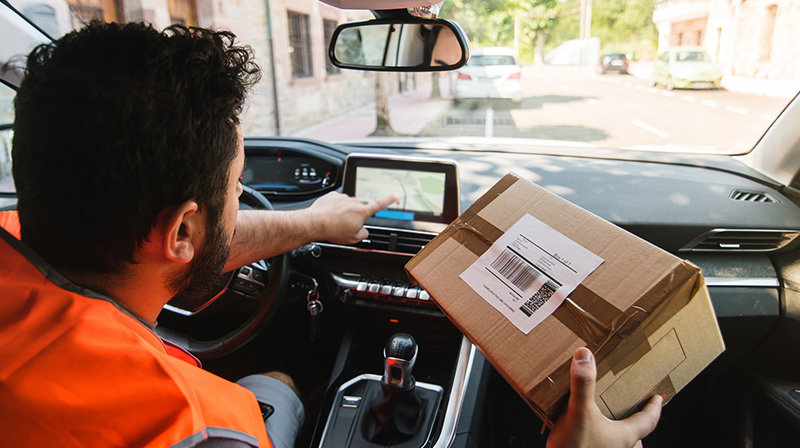
The logistics industry is evolving at lightning speed. As customer expectations for faster and more accurate deliveries continue to rise, and eCommerce volumes surge across global and regional markets, the last mile has become the most critical — and often the most expensive — segment of the supply chain.
For B2B logistics companies, the pressure is even higher. Managing driver productivity, maintaining optimized delivery routes, and ensuring real-time visibility for customers are now essential to protect profit margins and meet service-level agreements (SLAs).
This is where Last Mile Delivery Automation transforms operations. By integrating AI-driven route planning, IoT-enabled tracking, and real-time data analytics, automation eliminates manual inefficiencies, minimizes delivery delays, and empowers logistics teams to reach peak driver efficiency. Whether you’re operating in major metros or managing regional freight networks, automation delivers a scalable way to improve performance and customer satisfaction simultaneously.
Why Driver Efficiency Defines Modern Last Mile Success
In today’s competitive logistics landscape, driver efficiency has become a defining metric of last mile success. It’s not just about completing more deliveries per hour — it’s about maximizing productivity, maintaining accuracy, ensuring compliance, and delivering exceptional customer experiences at scale.
For B2B logistics and distribution companies, efficient drivers directly translate into lower operational costs, higher delivery accuracy, and improved fleet ROI. Every minute saved on the road and every route optimized contributes to measurable business gains.
Key Pressures Impacting Driver Efficiency
In today’s fast-paced logistics landscape, drivers face more challenges than ever before. Balancing speed, accuracy, and customer satisfaction requires more than just experience — it demands smart technology and real-time insights.
Let’s look at the top pressures reshaping driver efficiency in the modern last mile.
● Rising operational costs
With fuel prices, labor expenses, and vehicle maintenance costs climbing worldwide, companies must optimize every delivery mile to stay profitable.
● Evolving delivery models
The shift toward on-demand, same-day, and hyperlocal urban deliveries adds complexity to route planning and resource allocation.
● Sky-high customer expectations
Businesses and end-consumers now expect real-time visibility, flexible rescheduling, and instant proof of delivery — leaving no room for manual errors.
Without automation, logistics teams often spend hours planning, assigning, and monitoring deliveries manually. The result? Delayed routes, overworked drivers, and poor fleet utilization that drag down overall delivery performance.
Stay ahead in 2025 with cutting-edge route optimization tools that drive efficiency and profitability.
Explore Top Optimization SoftwareAutomation: The Game-Changer for Driver Productivity
Last Mile Delivery Automation leverages AI-powered route optimization, IoT-based vehicle tracking, and real-time performance analytics to remove inefficiencies from the ground up. By automating planning and execution, companies can:
- Reduce route planning time by up to 80%
- Improve delivery accuracy and on-time rates
- Balance workloads across drivers automatically
- Enable real-time decision-making for dispatchers and operations teams
Whether operating fleets across metros or managing regional networks, automation ensures consistent driver performance — regardless of geography or delivery complexity.
How Automation Boosts Driver Efficiency
Modern logistics operations thrive on speed, accuracy, and adaptability — and automation sits at the core of this transformation. By combining AI-driven route optimization, intelligent dispatching, and predictive analytics, logistics companies can minimize delivery delays, reduce decision fatigue for drivers, and significantly improve fleet-wide productivity.
Let’s look at how automation changes the driver experience and business outcomes.
1. Automated Route Optimization
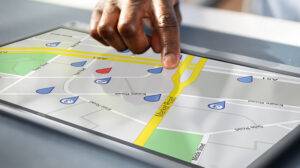
Traditional route planning depends on manual scheduling and static maps — a process that’s time-consuming and often inaccurate in fast-moving delivery environments. With AI-based routing software, every delivery route is automatically optimized in seconds.
These systems evaluate critical variables such as:
- Real-time traffic and weather conditions
- Delivery time windows and customer priorities
- Driver location and availability
- Vehicle type, load capacity, and route restrictions
Unlike static planning, automated route optimization tools continuously adapt to real-time changes like unexpected road closures, urgent last-minute orders, or customer cancellations.
Impact on Drivers:
- Eliminate hours spent manually planning or adjusting delivery routes
- Reduce mental fatigue caused by complex navigation and scheduling decisions
- Minimize empty miles, fuel wastage, and idle time
- Gain better visibility into delivery priorities and stop-level details
Result: Up to 25–30% improvement in driver productivity and 15–20% reduction in operational costs, based on global last mile delivery benchmarks.
For B2B logistics networks operating across, this automation ensures consistent performance even in high-density zones.
2. Smart Dispatching and Task Allocation
In traditional logistics operations, manual dispatching often leads to uneven workloads, communication gaps, and inefficient resource use. Dispatchers spend hours deciding which driver should handle which delivery — often relying on instinct or static spreadsheets. This slows down response times and increases the risk of missed SLAs.
Automation completely changes this dynamic. Through AI-based dispatching and intelligent task allocation, deliveries are automatically matched to the most suitable driver based on:
- Proximity to the pickup or delivery point
- Driver skill level and experience with delivery type
- Vehicle capacity and type (two-wheeler, van, or truck)
- Current traffic, route density, and workload
Example:
A lightweight parcel within a city zone is automatically assigned to the nearest driver with a two-wheeler, while bulk B2B shipments are allocated to truck drivers operating on pre-optimized, consolidated routes.
This smart allocation ensures every resource is used effectively, reducing idle time and increasing delivery accuracy.
🚀 Impact on Logistics KPIs:
- Balanced workloads across the fleet
- Improved driver utilization and morale
- Enhanced on-time delivery (OTD) and first-attempt success rates
- Reduced dispatcher workload and human dependency
With AI-driven dispatch automation, companies operating in dense areas can scale operations faster and respond instantly to spikes in delivery demand — all while maintaining consistent service quality.
3. Digital Proof of Delivery (ePOD): Speed, Accuracy & Accountability
Manual paperwork slows down operations, increases the risk of human error, and limits visibility in the last mile. Digital Proof of Delivery (ePOD) eliminates these challenges by digitizing the entire delivery confirmation process — enabling drivers to capture signatures, photos, barcodes, and timestamps instantly through a mobile app.
How ePOD Automation Works
As soon as a delivery is completed, drivers can:
- Capture electronic signatures or customer acknowledgments
- Take photo evidence for damaged or partial deliveries
- Record time and GPS-stamped confirmation automatically
- Sync the data instantly to the central TMS or ERP system
This seamless automation removes the delays and paperwork associated with manual confirmation, ensuring every delivery is accurately logged and verifiable.
Key Business Benefits
In a competitive logistics environment, operational speed and accuracy directly impact profitability. By digitizing proof of delivery and automating backend workflows, businesses can reduce friction and gain end-to-end transparency. Here’s how ePOD and automated delivery workflows translate into measurable business value:
- Faster delivery confirmation: Real-time sync means billing and invoicing can start immediately.
- Reduced administrative errors: Digital entries eliminate manual data mismatches or lost paperwork.
- Enhanced accountability: Visual and time-stamped records ensure full delivery transparency.
- Improved audit trails: For large B2B logistics clients, ePOD provides a verifiable record that simplifies billing reconciliation and dispute resolution.
By integrating digital proof of delivery into last mile operations, logistics companies can reduce administrative overhead by up to 40% and improve delivery confirmation times by over 50%.
Still handling physical paperwork or signatures that slow down deliveries? Go Fully Digital Today
4. Real-Time Visibility & Driver Assistance
In the fast-paced world of last mile logistics, every minute counts. Real-time visibility and driver assistance tools give logistics teams the control and clarity they need to keep deliveries on track — no matter the traffic, route changes, or customer requests.
By integrating GPS tracking, dynamic routing, and AI-powered driver apps, automation systems guide drivers through every stop with precision. The platform continuously monitors delivery progress, vehicle location, and ETA updates — ensuring full transparency for both dispatchers and customers.
How It Works
If traffic congestion, weather delays, or a customer reschedules a delivery, the system instantly:
- Recalculates the optimal route based on real-time data
- Notifies the recipient about the updated ETA via SMS or app alerts
- Provides turn-by-turn navigation to help drivers reach the next stop faster
- Updates dispatchers through a centralized dashboard for better control
This end-to-end automation minimizes idle time, eliminates manual troubleshooting, and improves on-time delivery rates.
Driver Benefits
- Spend less time resolving route or communication issues
- Follow clear, optimized navigation guidance
- Stay updated with live route changes and customer instructions
- Deliver more efficiently with fewer delays or errors
Companies operating across leverage real-time visibility tools to manage thousands of active routes simultaneously — improving fleet utilization and customer satisfaction while maintaining cost efficiency.
Core Components of Last Mile Delivery Automation
To understand how automation transforms operations, let’s look at its four key building blocks:
| Component | Purpose | Impact |
| Route Optimization Engine | Creates the most efficient delivery paths using real-time data | Reduces travel time & fuel use |
| Driver Management System | Tracks driver status, availability & performance metrics | Improves utilization & compliance |
| Customer Communication Module | Automates ETA updates, SMS alerts & feedback loops | Enhances transparency & trust |
| Analytics Dashboard | Provides KPIs like stop density, delivery time, and idle hours | Helps managers measure efficiency |
Together, these components form the backbone of AI-powered last mile delivery platforms like nuVizz’s Last Mile TMS — offering complete visibility and control.
Impact of Automation on Driver Performance Metrics
To truly understand the value of last mile delivery automation, we need to look beyond convenience and focus on measurable outcomes. Automation directly impacts key driver performance metrics, helping logistics providers optimize operations, improve profitability, and strengthen workforce productivity.
Here are the top five metrics where automation delivers measurable gains:
1. On-Time Delivery Rate (OTD)
With AI-powered dynamic routing, drivers receive continuously updated routes that adapt to traffic, order changes, or delivery rescheduling.
Impact: Maintains high OTD performance even during peak hours or festival seasons — critical for B2B clients relying on SLA compliance and customer trust.
2. Stops per Hour
Advanced route planning software clusters nearby deliveries to create efficient routes with minimal downtime between stops.
Impact: Drivers can complete more deliveries per shift without additional strain, improving fleet throughput and asset utilization.
3. Idle Time
Real-time tracking and geo-fencing alerts help dispatchers identify and reduce driver idle time at warehouses or customer locations.
Impact: Minimizes wasted minutes, ensures tighter scheduling, and maximizes delivery window adherence.
4. Distance Traveled per Stop
Smart routing algorithms minimize unnecessary detours and optimize distance per delivery, resulting in fewer kilometers driven per route.
Impact: Enhances fuel efficiency, lowers vehicle wear and tear, and cuts overall operational costs by 10–15%.
5. Driver Turnover Rate
Automation creates a more balanced and predictable work environment by automating task allocation, communication, and route planning.
Impact: Reduces stress, boosts morale, and improves driver retention — a critical advantage amid ongoing driver shortages in markets.
Deliver faster and more reliably to meet modern eCommerce customer expectations.
Upgrade Your Last Mile StrategyIntegrating Automation with Your TMS
Automation delivers its greatest value when fully integrated with a Transportation Management System (TMS). A modern TMS acts as the digital backbone of logistics operations, and when combined with automation, it transforms disconnected workflows into a unified, intelligent ecosystem.
By integrating automation tools within a Last Mile TMS, logistics companies can seamlessly connect every stage of the delivery cycle — from order dispatch to driver tracking and final invoicing — all through a single platform.
Key Advantages of TMS–Automation Integration
Integrating automation with a Transportation Management System (TMS) isn’t just about efficiency — it’s about creating a connected, intelligent logistics ecosystem. This integration bridges the gap between planning, execution, and analysis, helping logistics leaders make faster, smarter decisions. Here are some of the most impactful advantages driving digital transformation in last-mile logistics today:
● Centralized Data Sync
Automatically syncs delivery, order, and shipment data across ERP, WMS, and CRM systems for real-time visibility and operational consistency.
● Driver Performance Monitoring
Enables managers to track performance metrics — such as on-time rate, route adherence, and idle time — directly within the Last Mile TMS dashboard.
● Automated Billing & Settlements
Streamlines invoicing, commission, and settlement processes, reducing manual intervention and administrative overhead.
● Predictive Insights for Capacity Planning
Uses AI and analytics to forecast delivery volumes, identify resource gaps, and optimize fleet capacity.
Real-World Example: nuVizz Last Mile TMS
nuVizz’s Last Mile TMS seamlessly integrates automation with real-time visibility, driver tracking, and advanced analytics. This empowers enterprises to manage thousands of daily deliveries with precision — across multiple regions, vehicle types, and delivery models.
By connecting automation to a robust Last Mile TMS platform, businesses can achieve:
- Up to 30% faster dispatch-to-delivery cycles
- 20% lower operational costs
- Improved SLA compliance and customer satisfaction
ROI and the Future of Driver Efficiency Through Automation
Automation’s impact on last mile logistics is no longer theoretical — it’s measurable, scalable, and proven. Across global supply chains, logistics companies that adopt AI-driven delivery automation are reporting tangible business outcomes in cost, efficiency, and customer experience.
Real ROI from Delivery Automation
According to multiple logistics and transportation industry studies:
- 20–40% cost savings per delivery through AI-based route optimization and smart dispatching.
- 25% increase in driver productivity, driven by automated scheduling, routing, and digital proof of delivery (ePOD) solutions.
- Up to 60% reduction in customer complaints, thanks to improved real-time visibility, proactive alerts, and accurate ETA communication.
For B2B logistics providers managing large fleets across, these efficiencies directly translate into stronger profit margins and improved SLA compliance.
The Future: Predictive, Self-Optimizing Logistics
The next evolution of last mile delivery automation lies in predictive intelligence — where systems don’t just react but anticipate. Advanced Last Mile TMS platforms will soon be capable of:
- Forecasting delivery delays using live data from traffic, weather, and driver behavior patterns.
- Recommending driver shift or route adjustments based on fatigue, capacity, or changing priorities.
- Predicting maintenance needs before breakdowns occur, reducing unplanned downtime and costs.
By 2026, nearly 70% of last mile logistics operations worldwide are expected to rely on AI automation for daily route optimization, driver assistance, and performance analytics.
Automation is no longer the future — it’s the new operational standard redefining how logistics businesses deliver efficiency, reliability, and growth.
Conclusion: Driving the Future of Last Mile Logistics
In today’s last mile, where time, accuracy, and visibility define success, automation has become the cornerstone of sustainable logistics efficiency. By harnessing the power of AI, predictive analytics, and real-time data, logistics companies can empower drivers to perform at their best, optimize fleet utilization, and strengthen customer trust — all while driving down operational costs.
For B2B logistics leaders, the message is clear: the future of delivery lies in automation-driven intelligence. Integrating advanced automation with your Last Mile TMS enables you to transform every delivery route into a data-backed, profit-generating operation.
Now is the time to embrace last mile delivery automation — and turn every mile into a competitive advantage.
Ready to Automate Smarter?
Discover how nuVizz’s Last Mile TMS combines AI automation, real-time visibility, and predictive analytics to streamline delivery operations from dispatch to doorstep.





FAQs
It’s the use of AI, analytics, and digital tools to automate route planning, driver assignments, delivery tracking, and customer communication in the final stage of delivery.
Automation minimizes manual planning and idle time, provides real-time route updates, and automates repetitive tasks like proof of delivery — helping drivers complete more deliveries per day.
Absolutely. B2B deliveries often involve complex routes, multiple stops, and strict delivery windows — areas where automation offers maximum ROI.
AI algorithms, route optimization engines, mobile driver apps, real-time tracking, and integration with cloud-based TMS solutions.