Blog
How Last Mile TMS Drives Growth for Retail Businesses in 2025
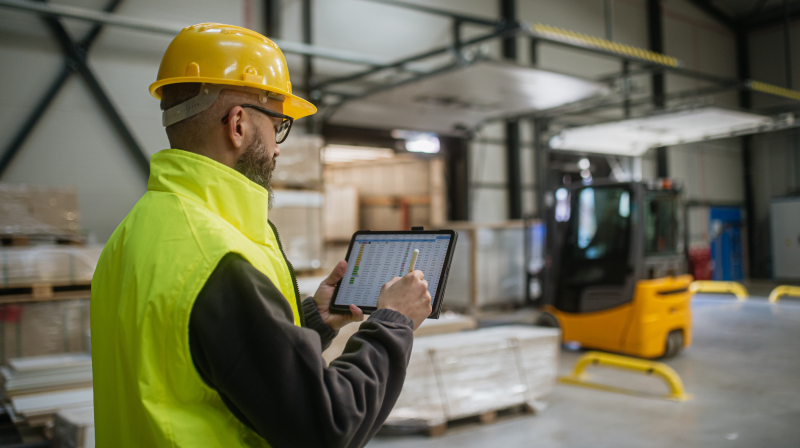
In 2025, retail businesses are navigating a highly competitive landscape driven by evolving customer expectations and rapid technological advancements. Last Mile TMS (Transportation Management System) has become crucial for solving retail logistics problems. It helps businesses grow sustainably.
Last Mile TMS helps retailers improve delivery speed and boost customer satisfaction. This keeps them competitive in a changing market.
Retailers are increasingly looking for innovative ways to streamline operations and meet the demands of the modern consumer. The ability to offer real-time tracking, optimize routes, and ensure on-time deliveries has become a game-changer.
With Last Mile TMS, retailers can find new ways to grow. They can also stand out in a tough market.
Understanding Retail Logistics Challenges in 2025
Retail businesses in 2025 face several operational and logistical hurdles that can impact growth and profitability. Key challenges include:
- Last-Mile Bottlenecks: Inefficiencies in the final delivery leg lead to delays and dissatisfied customers.
- Rising Customer Expectations: Demand for faster deliveries, real-time tracking, and flexible delivery options.
- Operational Inefficiencies: High costs associated with manual processes and suboptimal routing.
During peak shopping seasons, the surge in demand can overwhelm traditional delivery systems and magnify these challenges. Retailers need solutions that provide scalability, visibility, and cost-efficiency to remain competitive.
How Last Mile TMS Solves Retail Logistics Challenges
In 2025, retailers face growing complexities in meeting consumer demands while maintaining efficient logistics operations. Last Mile TMS provides advanced solutions to tackle these challenges. This ensures smooth delivery processes and better customer experiences. Here’s how it addresses specific pain points:
- Route Optimization: Traditional delivery routes often lead to delays and fuel wastage. Last Mile TMS uses smart algorithms to find the best delivery routes. This can cut travel time by up to 30%. It also reduces fuel costs by 20%. These changes can help improve profits.
- Real-Time Tracking: A lack of visibility across the supply chain can lead to missed deliveries and dissatisfied customers. With Last Mile TMS, retailers can track shipments from starting to finishing. This gives customers live updates and accurate delivery times. As a result, customer satisfaction improves by 25%.
- Automated Dispatching: Manual order assignments can be error-prone and time-consuming. Last Mile TMS automates this process, ensuring optimal resource utilization and reducing dispatch times by 40%.
By combining these features, Last Mile TMS changes logistics operations into a valuable asset. This helps retailers grow, meet delivery deadlines, and improve overall efficiency.
3 Key Benefits of Last Mile TMS for Retail Businesses
The adoption of Last Mile TMS in retail logistics has become a cornerstone for growth and efficiency in 2025. As retail businesses grapple with increasing consumer expectations and operational demands, Last Mile TMS offers transformative solutions that directly impact their success. Here are the standout benefits:
Enhanced Customer Experience
In today’s competitive retail landscape, customer satisfaction is a decisive factor. Last Mile TMS plays a pivotal role in ensuring a seamless delivery experience:
- Real-Time Tracking: Customers can monitor their deliveries live, building trust and reducing delivery-related anxiety.
- Accurate ETAs: Reliable delivery times enhance transparency and improve customer loyalty, with businesses reporting a 25% increase in satisfaction scores after implementing these features.
- Seamless Communication: Automated notifications keep customers informed throughout the delivery process, minimizing queries and complaints.
Cost Optimization
Reducing operational costs without compromising service quality is a significant challenge for retailers. Last Mile TMS effectively addresses this by:
- Route Optimization: Advanced algorithms cut fuel usage by 20%, enabling companies to save thousands of dollars annually.
- Automation: Eliminating manual dispatch processes reduces administrative burdens, saving approximately 10 hours per week per dispatcher.
- Resource Utilization: Optimal vehicle routing ensures fewer empty miles, boosting delivery efficiency and reducing costs.
Scalability for Peak Seasons
Retailers often face fluctuating demands during sales events and festive seasons. Last Mile TMS ensures operational agility to manage these surges effectively:
- Demand Management: Automated systems allow for the seamless handling of large order volumes, avoiding delays and bottlenecks.
- Geographic Expansion: As businesses grow, Last Mile TMS offers solutions to manage new areas easily. This helps retailers expand without logistical stress.
- Improved Performance Metrics: Businesses using TMS see a 30% increase in on-time deliveries during busy seasons. This is better than traditional systems.
Emerging Trends in Retail Delivery for 2025
The retail logistics landscape is rapidly evolving, with several trends influencing the role of Last Mile TMS:
- AI-Powered Logistics: Leveraging machine learning for predictive analytics and smarter decision-making, enabling businesses to anticipate demand and plan resources accordingly.
- Contactless Deliveries: Ensuring safety and convenience for customers, particularly in a post-pandemic world.
- Sustainability in Retail Logistics: Use eco-friendly practices like electric vehicles and better delivery routes. This helps reduce carbon footprints and attracts environmentally conscious shoppers.
Retailers using strong delivery management software can succeed in the long run. This helps them meet customer values and market needs.
Real-World Success Stories with Last Mile TMS
A top retailer with over 1,000 vehicles had trouble meeting delivery times. This led to customer complaints and higher costs. By implementing Last Mile TMS, the retailer achieved remarkable improvements:
- Problem: Delivery delays impacted customer satisfaction, and inefficient routing led to high fuel consumption and operational expenses.
- Solution: The company used route optimization and automated dispatching. This cut delivery times by 30%. It also improved fuel efficiency by 15%. Real-time tracking and communication helped reduce manual errors.
- Results: The retailer had a 25% rise in customer satisfaction ratings. They saved over 20% on yearly operational costs. They also improved dispatch processes, saving 10 hours each week for every dispatcher.
These quantifiable outcomes showcase how Last Mile TMS can transform logistics operations and drive growth for retail businesses.
Why Retailers Should Invest in Last Mile TMS in 2025
Investing in Last Mile TMS is no longer optional for retailers looking to thrive in 2025. The benefits include:
- A competitive edge through enhanced delivery capabilities that meet modern customer demands.
- Future-ready solutions that adapt to industry trends and evolving customer needs, ensuring long-term relevance.
- Improved scalability and flexibility to handle growth, especially during demand surges or geographic expansion.
Retailers that delay adoption risk falling behind competitors who leverage these advanced tools to deliver superior customer experiences and operational efficiency.
Driving Retail Success with Last Mile TMS
In 2025, the growth of retail businesses depends heavily on their ability to deliver exceptional customer experiences while maintaining operational efficiency. Last Mile TMS is a solution that changes the game.
It solves important retail logistics problems. It also improves delivery processes and supports long-term growth. Retailers leveraging this technology are well-positioned to stay competitive in a rapidly changing market.





FAQs
Last Mile TMS is a Transportation Management System that streamlines delivery operations, providing features like route optimization, real-time tracking, and automated dispatching.
It enhances transparency with real-time updates and accurate ETAs, ensuring a seamless delivery experience.
Absolutely! Last Mile TMS is scalable, making it suitable for businesses of all sizes to improve efficiency and reduce costs.
Key trends include AI-powered logistics, contactless deliveries, and sustainability in retail logistics.
Consider features like route optimization, real-time tracking, scalability, and integration capabilities to select a TMS that aligns with your business needs.