Blog
What Is Contactless Delivery And How It Works In Modern Logistics
The last few years have completely reshaped how businesses think about delivery. Customers now demand speed, transparency, convenience, and safety at every stage of the delivery process. This shift has fueled the rise of contactless delivery—a practice that started as a short-term response to global health concerns but has quickly evolved into a long-term standard in last mile logistics.
From grocery and food delivery to pharmaceuticals, retail, and B2B shipments, contactless delivery is redefining the customer experience. It’s no longer just about minimizing physical contact—it’s about enhancing efficiency, ensuring trust, and scaling delivery operations for the future.
In this blog, we’ll cover:
- What contactless delivery really means in today’s logistics.
- How it works across different industries and delivery models.
- The key benefits it provides to businesses and customers.
- Why it is now an essential part of modern last mile delivery strategies.
What Is Contactless Delivery?
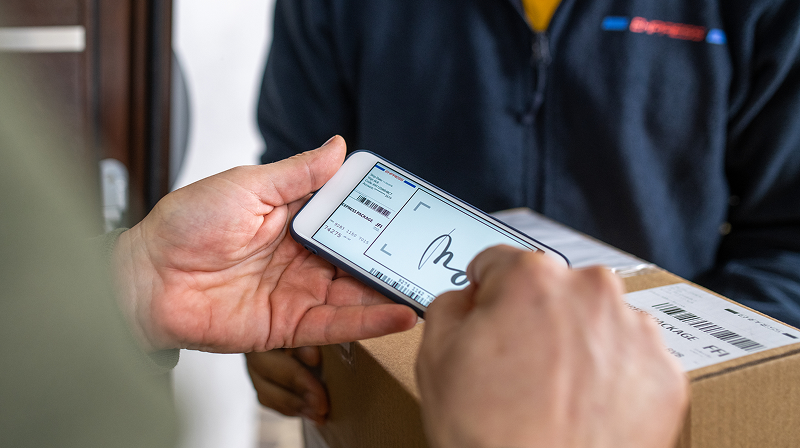
Contactless delivery is a delivery method that eliminates or minimizes direct physical interaction between the driver and the customer. Instead of traditional hand-to-hand exchanges—like cash payments, paper receipts, or manual signatures—businesses now rely on digital last mile delivery solutions to complete the process.
A package is typically left at a secure drop-off location, while proof of delivery (POD) is captured digitally through photos, electronic signatures, QR codes, or one-time passwords (OTPs). These digital tools ensure both security and accountability without requiring face-to-face contact.
The concept gained widespread adoption during the COVID-19 pandemic, when reducing physical touchpoints was critical. However, even after restrictions eased, contactless delivery in logistics continued to grow. Customers embraced the speed, convenience, and transparency it provided, while businesses recognized the efficiency, scalability, and cost savings that came with digitizing last mile operations.
Today, contactless delivery is more than just a health measure—it has become a key competitive differentiator for companies aiming to improve customer experience, operational agility, and trust in their delivery process.
Manual planning costing you time and revenue?
Automate last mile operations with AIHow Contactless Delivery Works in Modern Logistics
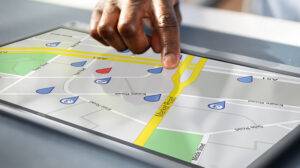
The process of contactless delivery begins long before a package reaches the customer’s doorstep. It starts when an order is placed online and integrated into a last mile delivery management system, where route optimization software plans the most efficient path for drivers to complete multiple stops. Customers are kept informed through real-time updates via SMS, mobile apps, or email, ensuring full visibility into their expected delivery windows.
When the driver arrives, instead of ringing the doorbell and waiting for confirmation, the package is securely left at a designated drop-off location. Proof of delivery (POD) is then captured digitally—whether through a photograph, barcode scan, electronic signature, or one-time password (OTP) sent to the customer’s mobile device. This ensures both security and accountability without requiring face-to-face interaction.
All updates flow back into the logistics platform in real time, allowing businesses, drivers, and customers to track the entire journey seamlessly.
Behind the scenes, modern logistics platforms like nuVizz’s last mile delivery software make this process possible by connecting dispatchers, drivers, and customers on a single digital platform. From order allocation to real-time visibility and proof of delivery, every step is optimized to ensure speed, safety, and reliability.
5 Key Benefits of Contactless Delivery
While the most obvious advantage of contactless delivery is improved safety through reduced physical interactions, its impact goes far beyond hygiene. Both businesses and customers benefit from faster, more transparent, and more efficient last mile delivery processes.
1. Enhanced Safety & Hygiene
By eliminating cash handling, paper receipts, and manual signatures, contactless delivery minimizes unnecessary contact. This ensures a safer experience for customers and drivers—an expectation that has now become standard in modern logistics.
2. Faster & More Efficient Deliveries
Without manual paperwork or lengthy confirmation steps, drivers can drop off packages more quickly. This allows fleets to complete more deliveries per shift, improving overall productivity and reducing operational costs.
3. Improved Customer Experience
Customers gain peace of mind through real-time delivery notifications and digital proof of delivery (POD)—whether via photos, QR codes, or OTPs. This transparency reduces the risk of missed packages or disputes and builds long-term trust and loyalty.
4. Cost Savings & Operational Efficiency
Digitized proof of delivery eliminates the need for paper receipts, lowering administrative costs. Streamlined processes also reduce delivery delays and minimize driver idle time, creating measurable savings at scale.
5. Environmental Sustainability
Contactless delivery supports green logistics initiatives by reducing paper waste and optimizing routes to cut fuel consumption and emissions. Over time, these eco-friendly practices contribute to both cost reduction and a stronger brand reputation.
Outdated delivery methods holding back your eCommerce growth?
Discover strategies for efficient last mile deliveryContactless Delivery in Modern Logistics
The adoption of contactless delivery is no longer confined to a single industry—it has become a core part of modern logistics across multiple sectors.
Retail & E-Commerce
In retail and e-commerce, customers expect fast, secure, and flexible delivery options. Contactless solutions meet these expectations by providing real-time updates, digital proof of delivery, and seamless returns management—strengthening customer trust in competitive markets.
Healthcare & Pharmaceuticals
For sensitive and time-critical deliveries, such as medicines or medical equipment, contactless delivery ensures both speed and safety. Digital verification methods reduce the risk of errors and ensure compliance in highly regulated environments.
Food & Grocery Delivery
With rising demand for home deliveries, food and grocery companies rely on contactless delivery to scale operations efficiently. Real-time tracking and contactless proof of delivery enhance reliability, while optimized routes reduce delivery times and costs.
B2B Logistics & Supply Chains
Even in B2B logistics, where larger and bulk shipments are involved, contactless proof of delivery helps eliminate paperwork, accelerate processes, and improve supply chain transparency.
The future of last-mile delivery is transparent and fast. Discover real-time visibility solutions
Technologies Powering Contactless Delivery
The rise of contactless delivery has been fueled by rapid advancements in digital logistics technology. These innovations ensure that businesses can maintain safety, efficiency, and customer satisfaction in the last mile.
Mobile Driver Apps & Digital Proof of Delivery
Mobile apps now guide drivers with real-time route optimization, delivery instructions, and navigation tools. They also enable secure digital proof of delivery (ePOD) through:
- Electronic signatures
- QR code scans
- Photo verification with timestamps
These features eliminate the need for physical paperwork and reduce disputes.
Customer Engagement Tools
Customers remain informed through tracking portals, SMS alerts, and push notifications, giving them visibility into delivery status and estimated arrival times. This transparency reduces “Where is my order?” calls and improves the overall delivery experience.
System Integrations for Efficiency
Seamless integration with Transportation Management Systems (TMS), Customer Relationship Management (CRM), and ERP platforms ensures a smooth flow of data. This eliminates manual entry errors, improves reporting accuracy, and enables real-time visibility across the supply chain.
AI, Machine Learning & Predictive Analytics
Modern contactless delivery platforms use AI and machine learning to:
- Optimize delivery schedules based on traffic, capacity, and time windows
- Predict potential delays before they happen
- Dynamically adjust routes to maintain efficiency
Unified Delivery Ecosystems
Advanced platforms like nuVizz’s last mile delivery software bring all these technologies together in a single ecosystem. By combining driver apps, customer engagement tools, integrations, and AI-powered optimization, logistics providers can handle high-volume deliveries while meeting growing customer expectations for safe, seamless, and contactless service.
5 Challenges in Implementing Contactless Delivery
While contactless delivery solutions bring clear advantages, businesses often encounter a few hurdles during implementation.
1. Cost and Technical Barriers
For small and mid-sized businesses, adopting new last mile delivery technology may feel overwhelming due to upfront costs or limited IT resources. Without the right guidance, digital transformation can seem complex.
2. Driver & Staff Training
Successful adoption relies heavily on driver and staff training. Resistance to change or lack of familiarity with digital proof of delivery tools can slow down operations if not addressed early.
Struggling to meet customer expectations in the final mile? Discover what drives last-mile delivery success
3. Customer Awareness & Experience
Not all customers are accustomed to digital delivery confirmations such as OTPs, QR codes, or e-signatures. This may lead to occasional confusion, missed confirmations, or disputes.
4. Handling Exceptions
Even with technology in place, exceptions like incorrect drop-offs, delayed deliveries, or damaged packages require careful handling. Poor resolution can undermine the trust contactless delivery is meant to build.
5. Overcoming These Challenges
The good news: with the right last mile delivery platform, these challenges can be minimized. Choosing a vendor that offers:
- Intuitive driver apps
- Comprehensive onboarding and training
- Customer-friendly communication tools
…ensures a smoother transition for businesses and end-users alike.
Future of Contactless Delivery
Looking ahead, contactless delivery is poised to become the standard in logistics rather than an optional feature. As technology evolves, new innovations will further streamline and enhance last mile operations.
Emerging Technologies
- IoT-enabled delivery lockers allow secure, unattended package drop-offs.
- Drone and autonomous vehicle deliveries promise faster, contact-free fulfillment.
- AI-powered predictive logistics anticipate delays and optimize routes dynamically, ensuring on-time delivery with minimal human intervention.
Sustainability & Efficiency
Digital workflows and route optimization software will continue to reduce fuel consumption, lower emissions, and minimize paper usage. These practices not only cut costs but also contribute to greener, more sustainable logistics operations.
Transforming the Delivery Experience
The future of logistics will revolve around creating delivery experiences that are safe, transparent, and scalable. Contactless delivery sits at the heart of this transformation, empowering businesses to meet rising customer expectations while improving operational efficiency and environmental responsibility.
Conclusion
What began as a short-term response to global health concerns has now evolved into a long-term standard in modern logistics. Contactless delivery not only enhances safety but also improves convenience, speed, and transparency for customers, while providing businesses with the tools to optimize last mile operations efficiently.
With the right technology in place, companies can meet rising customer expectations, scale their delivery operations, and gain a competitive advantage in today’s fast-paced logistics landscape.
Platforms like nuVizz’s last mile delivery solution enable businesses to implement contactless delivery at scale. By combining real-time route optimization, live delivery tracking, and digital proof of delivery, nuVizz empowers logistics providers to embrace the future of last mile logistics with confidence, efficiency, and reliability.
Take the Next Step
Explore nuVizz’s contactless delivery solutions today to streamline operations, reduce costs, and deliver a safer, faster, and more transparent experience to your customers. Request a demo and see how modern last mile technology can transform your logistics workflow.


FAQs
Contactless delivery is a method that minimizes or eliminates physical interaction between drivers and customers. Packages are left at secure drop-off points, and digital proof of delivery (POD) is captured via e-signatures, photos, QR codes, or one-time passwords.
Customers gain safety, convenience, and transparency. They can track deliveries in real-time, receive digital notifications, and confirm receipt without face-to-face interaction, reducing missed deliveries or disputes.
Businesses experience operational efficiency, cost savings, and improved last mile management. Contactless delivery reduces paperwork, speeds up driver workflows, optimizes routes, and helps scale high-volume operations.
Contactless delivery is widely used across retail and e-commerce, healthcare and pharmaceuticals, food and grocery delivery, and B2B logistics. Any sector that prioritizes safety, speed, and transparency can benefit.
nuVizz’s last mile delivery platform combines real-time route optimization, digital proof of delivery, and live tracking into a single system, enabling businesses to scale safely, efficiently, and reliably while meeting customer expectations.