Blog
Best Route Optimization Software in 2025
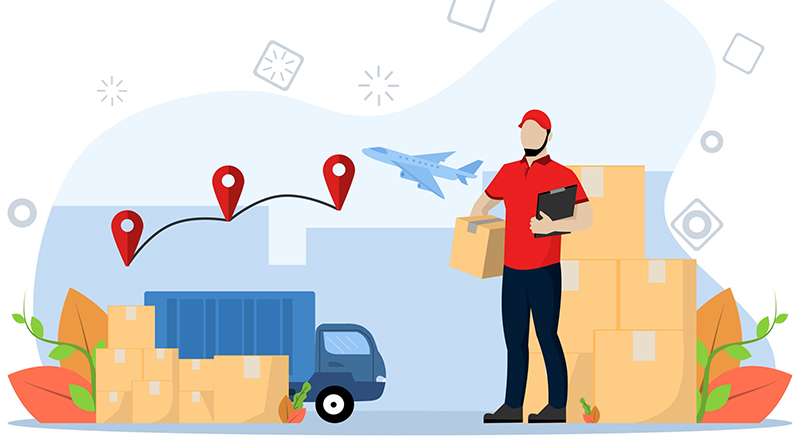
In 2025, the logistics and delivery landscape is evolving faster than ever. With e-commerce growth showing no signs of slowing down and consumers expecting same-day or even one-hour deliveries, businesses face unprecedented pressure to optimize operations. Efficient route planning is no longer a luxury—it’s a necessity for reducing operational costs, minimizing delivery delays, and enhancing customer satisfaction.
While the market offers a wide range of route optimization tools, not all solutions are created equal. nuVizz stands out as a best-in-class platform, designed specifically for last-mile delivery challenges. By combining AI-driven dispatch, dynamic route planning software, real-time tracking, and seamless TMS integration, nuVizz allows logistics managers to streamline complex operations, reduce fuel costs, and maximize fleet efficiency. Whether you are managing urban deliveries or large-scale distribution networks, nuVizz provides the insights and automation needed to stay ahead of the competition in today’s fast-paced logistics environment.
Why Route Optimization Software Matters in 2025
Modern logistics teams face multiple challenges that make effective route planning essential:
● Rising fuel and operational costs
Inefficient routes increase expenses and reduce profitability.
● Increasing customer expectations
Same-day and on-time deliveries are now the standard.
● Complex multi-stop routes
Managing hundreds of deliveries daily requires intelligent routing.
● Expanding fleets and delivery volumes
Scaling operations manually is time-consuming and error-prone.
Benefits of Advanced Route Optimization Software
- Reduced Delivery Times: AI-driven and optimized routing ensures drivers take the fastest and most efficient paths, avoiding traffic delays.
- Lower Operational Costs: Smart route planning saves fuel, reduces vehicle wear, and minimizes overtime.
- Enhanced Customer Satisfaction: Accurate ETAs and reliable delivery schedules improve trust and loyalty.
- Scalable Solutions: Handles growing delivery volumes and fleet sizes seamlessly, supporting business expansion.
Companies adopting advanced route optimization software report up to 25% faster deliveries and significant operational savings, demonstrating the tangible value of investing in modern delivery routing software.
5 Best Route Optimization Softwares in 2025
In 2025, businesses have multiple options for optimizing delivery routes, but the top solutions combine efficiency, AI capabilities, and user-friendly interfaces. Here’s a comparison of the leading route optimization tools:
| Tool | Key Features | Pros | Cons | Ideal For |
| nuVizz | Real-time route optimization, AI-driven dispatch, last-mile visibility, multi-stop planning, seamless TMS integration | Fast, accurate, scalable, intuitive interface | Premium pricing for small fleets | Medium to large logistics companies |
| Route4Me | Route optimization, GPS tracking, mobile app | Affordable, easy to implement | Limited advanced analytics | Small to medium businesses |
| OptimoRoute | Route scheduling, multi-day planning, real-time updates | Strong multi-day optimization | Steeper learning curve for beginners | Delivery services with complex schedules |
| WorkWave Route Manager | Route planning, analytics, mobile app | Detailed reporting and analytics | Limited AI automation | Mid-sized fleets looking for detailed reporting |
| Onfleet | Dispatch management, real-time tracking, delivery analytics | Easy to use, integrates with multiple platforms | Limited route optimization complexity | Urban delivery services |
Among these tools, nuVizz stands out due to its AI-driven intelligence, predictive analytics, and seamless TMS integration, providing logistics teams with a significant operational advantage. Companies using nuVizz benefit from faster deliveries, reduced operational costs, and improved customer satisfaction, making it the top choice for modern last-mile delivery solutions.
Fleet efficiency shouldn’t depend on spreadsheets — see which routing platforms do it smarter.
Find Your Ideal SolutionWhy nuVizz Leads the Market in 2025
nuVizz has emerged as the top choice for businesses seeking advanced route optimization software. Here’s why it outperforms other tools in 2025:
1. Real-Time Route Optimization
nuVizz continuously recalculates routes using traffic patterns, weather conditions, and delivery delays, ensuring drivers always follow the fastest and most efficient path. This reduces late deliveries and idle time, helping businesses achieve faster last-mile deliveries.
2. AI-Driven Dispatch
With intelligent dispatch, nuVizz automatically assigns deliveries to the right driver based on location, availability, and vehicle capacity. This minimizes human error, optimizes fleet utilization, and increases overall operational efficiency.
3. Multi-Stop Planning
Handling hundreds of deliveries per day becomes seamless with nuVizz’s multi-stop route optimization. This feature improves fleet productivity, reduces operational costs, and ensures timely deliveries, even in high-density areas.
4. Last-Mile Visibility
Real-time tracking provides full visibility of deliveries, keeping both managers and customers informed. Transparent delivery updates enhance customer satisfaction and trust, a critical factor in today’s competitive logistics environment.
5. Seamless TMS Integration
nuVizz integrates effortlessly with existing TMS, ERP, and CRM platforms, centralizing all logistics operations. This enables companies to manage planning, dispatch, and tracking from a single dashboard, streamlining workflow and reducing errors.
Case Study: Proven Results
A mid-sized e-commerce company leveraging nuVizz achieved:
- 22% faster delivery times
- 15% reduction in fuel costs
- 30% increase in customer satisfaction
within just three months of implementation, demonstrating the software’s tangible business impact.
How to Choose the Right Route Optimization Software
Choosing the right route optimization software is critical for maximizing efficiency, reducing costs, and enhancing customer satisfaction. With so many options on the market, it’s important to evaluate tools based on your unique business needs. Key factors to consider include:
● Fleet Size and Delivery Density
The complexity of your route planning increases with the number of vehicles and deliveries. Businesses with large fleets or high-density delivery areas need advanced algorithms capable of handling multiple stops, prioritizing deliveries, and minimizing travel time without overloading drivers.
● Integration with Existing Systems
Your route optimization software should seamlessly connect with your existing Transportation Management System (TMS), CRM, or warehouse management tools. This ensures smooth data flow, reduces manual entry errors, and allows your team to manage all logistics operations from a unified platform.
● AI-Driven Decision Making
Modern delivery challenges require intelligent insights. Look for solutions that leverage AI to provide real-time suggestions, predict delays, and optimize routes dynamically. AI-driven tools help managers make faster, smarter decisions while maintaining high operational efficiency.
● Real-Time Tracking and Analytics
Visibility is key in modern logistics. Tools that provide live tracking, driver performance metrics, and delivery analytics empower businesses to monitor operations, quickly resolve issues, and continuously improve route planning strategies.
While many route planning tools offer basic routing capabilities, nuVizz stands out for its speed, accuracy, and scalability. Designed for modern last-mile logistics, it not only optimizes routes but also enhances overall operational efficiency, reduces fuel costs, and ensures timely deliveries—even in the most complex urban environments.
Managing product returns manually? Automate and simplify your reverse logistics with technology. Find Out HowFuture of Route Optimization in 2025
The future of route optimization is being reshaped by advanced technologies that go beyond simple GPS mapping. In 2025, logistics managers are looking for intelligent, adaptive systems that not only plan routes but also anticipate challenges and continuously optimize delivery operations. Key innovations defining this next frontier include:
● Predictive Routing
Modern route optimization software doesn’t just react to traffic—it predicts it. By analyzing historical traffic data, weather patterns, and real-time road conditions, predictive routing helps dispatchers avoid delays before they happen. This ensures deliveries are timely, reduces fuel consumption, and improves customer satisfaction.
● Dynamic Multi-Stop Optimization
Traditional route planning often assumes static conditions, but deliveries rarely happen in a vacuum. Dynamic multi-stop optimization allows routes to be recalculated in real time, accounting for new orders, traffic incidents, or vehicle delays. This capability ensures that fleets can adjust on the fly, maintaining efficiency even in unpredictable circumstances.
● AI-Driven Decision Support
Artificial intelligence provides actionable insights for dispatchers, suggesting the most efficient routes, allocating resources intelligently, and identifying potential bottlenecks before they occur. With AI, route planning becomes proactive rather than reactive, helping companies make smarter operational decisions.
● Full TMS Integration
Modern delivery operations involve multiple moving parts—inventory management, warehouse coordination, and customer notifications. Full integration with a Transportation Management System (TMS) centralizes all logistics operations in one platform, allowing managers to oversee the entire delivery lifecycle from a single dashboard.
With nuVizz, businesses are not just preparing for the future—they are leveraging these innovations today. By combining predictive analytics, dynamic route optimization, and full TMS integration, nuVizz ensures that companies stay ahead of industry trends, cut operational costs, and consistently deliver exceptional customer experiences.
Conclusion
As we move further into 2025, the logistics landscape is more demanding than ever. Customers expect faster deliveries, fleets face increasing operational pressures, and inefficiencies can quickly erode profit margins. In this environment, smarter, faster, and more reliable route optimization solutions are no longer optional—they are essential for business success.
While many route planning tools offer basic functionality, nuVizz stands out as a comprehensive solution for modern last-mile delivery challenges. Its AI-powered algorithms optimize routes with unparalleled accuracy, real-time visibility ensures full control over fleet operations, predictive analytics anticipate traffic and delays before they happen, and seamless TMS integration unifies all logistics operations under one platform.
By adopting nuVizz, logistics companies can reduce operational costs, enhance delivery performance, and elevate customer satisfaction, all while staying ahead of the competition. For businesses seeking a future-ready route optimization solution, nuVizz isn’t just a tool—it’s a strategic advantage in the rapidly evolving world of last-mile logistics.






FAQs
Route optimization software helps businesses plan and manage delivery routes efficiently. It uses algorithms and real-time data (like traffic, weather, and distance) to determine the fastest, most cost-effective delivery paths.
Last-mile delivery is the most time-sensitive and expensive part of logistics. Route optimization reduces delivery delays, lowers fuel costs, improves driver productivity, and enhances customer satisfaction by ensuring on-time deliveries.
There are several great tools available, but nuVizz stands out as the best route optimization software in 2025 for its AI-driven dispatch, predictive analytics, last-mile visibility, and seamless TMS integration — making it ideal for large-scale logistics operations.
AI in route optimization helps predict delays, learn from historical data, and automatically adjust routes in real time. This results in smarter dispatching, reduced idle time, and faster, more reliable deliveries.
Key trends include predictive routing, sustainability-driven optimization, dynamic multi-stop planning, and AI-assisted dispatching. Companies like nuVizz are already integrating these innovations to future-proof logistics operations.