Blog
Best Retail Management Software 2026
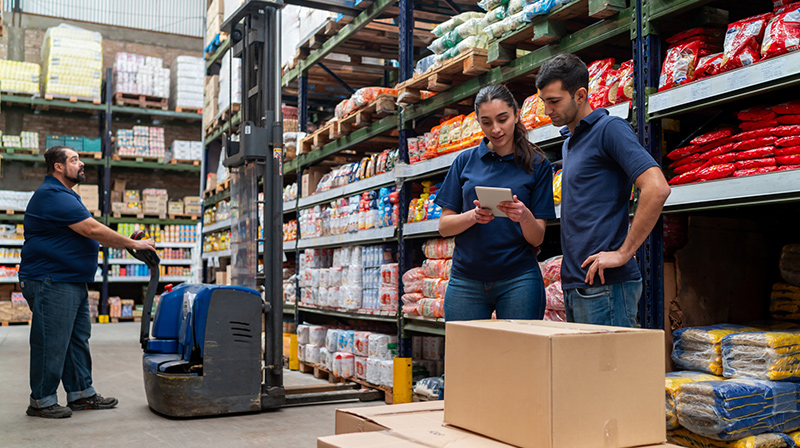
Retail in 2026 is faster, smarter, and more customer-driven than ever. With online and offline shopping fully converging, retailers are under pressure to deliver real-time visibility, accurate inventory, hyper-personalized experiences, and instant fulfillment across every channel. Customers now expect same-day delivery, live order tracking, digital payments, contactless experiences, and consistent product availability—no matter where they shop.
To meet these heightened expectations, retailers need more than traditional POS tools or basic inventory systems. They require intelligent, fully connected retail management software that unifies store operations with supply chain logistics and last-mile delivery.
In 2026, the best retail management platforms integrate:
- Store operations & workforce management
- Omnichannel sales (online, in-store, marketplace, social commerce)
- AI-powered demand forecasting and automated replenishment
- End-to-end supply chain visibility from warehouse to store
- Last-mile delivery route optimization, dispatching, and tracking
- Unified customer data and personalized engagement tools
This single-source digital control center helps retailers reduce costs, eliminate stockouts, shorten delivery times, optimize routes, and improve customer satisfaction—all while staying competitive in an increasingly crowded market.
In short, 2026 retail success depends on technology that connects the front of the store with back-end logistics. Retail management software is no longer optional—it’s the backbone of fast-moving, high-performance retail ecosystems.
Key Features to Look for in 2026 Retail Software
When evaluating retail management software in 2026, retailers should prioritize platforms that deliver end-to-end operational control, intelligent automation, and real-time visibility. The leading systems go beyond basic POS or inventory tools and provide a unified digital ecosystem to run every part of a modern retail business.
Here are the essential features to look for:
✔ Unified Omnichannel Operations
In 2026, retail success depends on delivering consistent experiences across every touchpoint. The best retail management software unifies POS, eCommerce stores, marketplaces (like Amazon/Flipkart), social commerce platforms, and mobile apps into a single smart ecosystem.
This ensures:
- Centralized product and pricing management
- Seamless promotions and discount syncing
- Unified customer profiles and order history
- Real-time inventory availability across channels
- Faster fulfillment and smoother returns/exchanges
With all channels operating on one system, retailers eliminate data silos, reduce operational errors, and deliver a frictionless, brand-consistent experience no matter where the customer chooses to shop.
✔ Inventory Management With Real-Time Visibility
Modern retail demands precise control over stock movement, and 2026 retail software must deliver live, SKU-level visibility across every node in the supply chain—warehouses, retail stores, dark stores, micro-fulfillment centers, and last-mile hubs.
With real-time tracking, retailers can:
- Avoid stockouts and overstocks
- Improve forecasting and replenishment accuracy
- Detect shrinkage or discrepancies instantly
- Enable accurate “Available to Promise” (ATP) for online orders
- Support faster picking, packing, and store-level fulfillment
Live inventory feeds also ensure that customers see accurate product availability before they place an order, leading to fewer cancellations, higher conversions, and better customer satisfaction.
✔ Integrated Last-Mile Delivery & Routing
In 2026, delivery speed and accuracy directly influence customer loyalty. Leading retail management platforms now come with built-in last-mile delivery and routing capabilities, enabling retailers to manage fulfillment with precision and lower operational costs.
With dynamic route planning, real-time driver visibility, and accurate ETAs, retailers can:
- Optimize delivery routes to reduce time and fuel costs
- Assign drivers automatically based on capacity, location, and delivery priority
- Provide customers with live tracking links and proactive ETA updates
- Improve on-time delivery performance
- Reduce failed deliveries and missed windows
- Capture digital proof of delivery for faster reconciliation
Integrated last-mile logistics ensures a seamless flow from order to doorstep, strengthening customer trust and enhancing the overall retail experience.
✔ AI-Driven Analytics and Forecasting
AI has become the strategic engine of modern retail. The best 2026 retail management software leverages machine learning, predictive analytics, and real-time data modeling to help retailers make smarter, faster decisions.
With AI-powered insights, retailers gain:
- Predictive demand planning to anticipate sales patterns and seasonal spikes
- Automated replenishment that triggers purchase orders at the perfect time
- Customer behavior insights for personalized marketing and engagement
- Price optimization models that adjust pricing based on demand, competition, and inventory levels
- Store performance analytics to highlight inefficiencies and improvement areas
- Forecast accuracy reports that minimize overstocking and stockouts
AI eliminates guesswork and empowers retailers to optimize margins, improve customer satisfaction, and streamline operations across the entire omnichannel ecosystem.
✔ Seamless Integrations
A powerful retail management platform in 2026 must connect effortlessly with the broader technology ecosystem. Seamless integrations with ERP systems, Warehouse Management Systems (WMS), Transportation Management Systems (TMS), dispatching platforms, and third-party logistics (3PL) providers ensure smooth data flow and end-to-end operational efficiency.
With deep integrations, retailers can:
- Sync orders, inventory, and financial data across all systems
- Automate warehouse-to-store replenishment
- Coordinate transportation, delivery scheduling, and routing
- Improve accuracy in billing, invoicing, and fulfillment
- Reduce manual intervention and eliminate data entry errors
- Enable faster and more reliable last-mile delivery
These integrations help retailers unify operations across supply chain, logistics, inventory, and customer experience—creating a single source of truth for smarter decision-making.
✔ Cloud Scalability
Modern retail moves fast, and your software must scale even faster. Cloud-native retail management platforms in 2026 offer flexible, on-demand scalability suitable for businesses of all sizes—from small retail chains to large multi-location enterprises.
Cloud scalability enables retailers to:
- Handle peak traffic during festive seasons or sales events
- Add new stores, warehouses, or fulfillment hubs instantly
- Scale user access, product catalogs, and order volume without downtime
- Reduce IT costs with automatic updates and zero infrastructure maintenance
- Ensure high availability, data security, and consistent performance across regions
With elastic cloud architecture, retailers stay agile and can grow without operational bottlenecks or expensive system overhauls.
The right combination of retail management + logistics + last-mile delivery capabilities is what separates good platforms from truly future-ready, 2026-proof retail ecosystems.
Struggling with long routes and delayed multi-stop deliveries? Optimization can fix it fast.
Improve Multi-Stop EfficiencyInventory Management and Real-Time Tracking
Inventory inaccuracy continues to be one of the biggest operational challenges in retail—even in 2026. Stockouts, overstocking, misplaced inventory, slow replenishment, and high return rates can cost retailers millions every year and directly impact customer satisfaction. With omnichannel demand rising and delivery expectations increasing, retailers cannot afford gaps in visibility or delays in replenishment.
Modern retail management software addresses these challenges through end-to-end, real-time inventory intelligence powered by automation, sensors, and AI.
Key Capabilities Include:
✔ Real-Time Stock Sync Across All Channels
Instant updates across physical stores, online channels, warehouses, dark stores, and micro-fulfillment centers ensure customers always see accurate stock status. This significantly reduces order cancellations and improves conversion rates.
✔ Automated Reorder Points & Smart Replenishment
AI-driven reorder triggers help maintain optimal stock levels by automatically generating purchase orders when inventory falls below predefined thresholds. This ensures shelves are always replenished at the right time.
✔ RFID, Barcode & AI Vision-Based Tracking
Advanced identification technologies improve SKU-level accuracy:
- RFID: Enables fast, bulk scanning for cycle counts
- Barcodes: Support efficient in-store and warehouse operations
- AI Vision Systems: Detect misplaced items, track shelf gaps, and prevent stock loss
These tools streamline audits, eliminate manual errors, and reduce shrinkage.
✔ Expiration & Batch Management for Perishables
For grocery, pharma, cosmetics, and FMCG retailers, automated expiry alerts help rotate stock efficiently, reduce wastage, and comply with regulatory standards.
✔ Intelligent SKU Forecasting
AI analyzes sales patterns, seasonal trends, promotions, local demand signals, and supply chain constraints to forecast future inventory needs accurately. This improves demand planning and prevents both stockouts and excess stock.
POS and Omnichannel Sales Integration
In 2026, the Point of Sale (POS) has evolved far beyond a simple checkout terminal. Today’s modern POS serves as the central hub of the retail data ecosystem, connecting in-store operations, online channels, and logistics for a seamless customer experience.
A future-ready retail management platform integrates POS with every sales touchpoint, enabling retailers to manage orders, pricing, inventory, and customer data from a single system.
Key Capabilities Include:
✔ Unified Order Management Across Channels
POS platforms now handle in-store, online, mobile app, and marketplace orders in real time. This ensures accurate inventory updates, reduces stock discrepancies, and improves fulfillment speed for Buy Online, Pick Up In-Store (BOPIS), curbside pickup, home delivery, and ship-from-store orders.
✔ Consistent Pricing, Discounts & Loyalty Programs
Retailers can implement unified pricing strategies, promotions, and loyalty programs across channels. Customers receive the same discounts and reward points, whether shopping in-store or online, creating a consistent, frictionless experience.
✔ Real-Time Order Routing & Fulfillment
Intelligent POS systems can automatically route orders based on stock availability, store proximity, or delivery preferences. This optimizes order fulfillment, reduces shipping costs, and ensures timely deliveries.
✔ Customer Journey & Behavior Tracking
POS integration captures customer interactions across every channel, feeding into CRM and analytics systems. Retailers gain actionable insights on shopping behavior, product preferences, and engagement trends, enabling hyper-personalized offers and campaigns.
The Result
By integrating POS with omnichannel operations, retailers provide a consistent, personalized, and high-speed shopping experience. Whether the customer shops in-store, online, via mobile, or on a marketplace, every interaction feels seamless and connected—driving loyalty, repeat purchases, and revenue growth.
AI-Driven Analytics and Forecasting
In 2026, Artificial Intelligence (AI) has become the backbone of intelligent retail decision-making. Retailers are no longer relying solely on historical sales data or manual intuition. Instead, AI-driven analytics provide real-time insights, predictive intelligence, and automated recommendations across every aspect of operations—from inventory to workforce management and logistics.
Key Capabilities Include:
✔ Predict High-Demand Products
AI analyzes historical sales, seasonal trends, regional preferences, and online engagement data to forecast which products will be in high demand. This allows retailers to stock the right items, reduce out-of-stock situations, and maximize revenue.
✔ Optimize Seasonal Inventory
AI-powered forecasting helps retailers plan for peak seasons, promotions, and special events, minimizing overstocking or wastage. Dynamic inventory planning ensures the right quantity reaches the right store or fulfillment center at the right time.
✔ Improve Workforce Scheduling
AI tools optimize staff allocation based on foot traffic, online order volume, and historical sales patterns. Efficient workforce scheduling reduces labor costs while maintaining superior customer service.
✔ Forecast Logistics & Delivery Load
Retailers can predict shipping volumes, delivery demand, and warehouse processing requirements. AI-powered insights enable smarter route planning, dispatch management, and last-mile delivery optimization, reducing delays and operational costs.
✔ Automate Merchandising Decisions
AI automates product placement, pricing adjustments, and promotion recommendations. Retailers can implement dynamic pricing, personalized offers, and in-store merchandising strategies that maximize conversions.
Impact of AI in 2026 Retail
Retailers leveraging AI-driven analytics can cut operational costs by 20–30%, dramatically improve order accuracy, and enhance inventory efficiency. Beyond cost savings, AI empowers data-driven strategies that increase customer satisfaction, boost sales, and future-proof retail operations.
Losing time and money on poorly planned routes? Small businesses can’t afford inefficiencies in 2026. Discover Smart Routing ToolsTop 5 Best Retail Management Software for 2026
If you’re searching for reliable, future-ready retail management software in 2026, the right platform can transform your operations, unify inventory, optimize last-mile delivery, and create a seamless omnichannel customer experience. Here are the top 5 platforms that stand out:
1. nuVizz — Best Overall Retail Logistics & Delivery Management Software
Best for: Retailers seeking powerful last-mile delivery optimization, real-time visibility, and automated route planning.
nuVizz ranks #1 for 2026 because it solves the most pressing challenge in modern retail: delivering products quickly, predictably, and cost-effectively, while maintaining complete supply chain visibility. By integrating advanced logistics with retail operations, nuVizz empowers retailers to reduce delivery costs, improve fulfillment accuracy, and enhance the customer experience across all channels.
Top Features of nuVizz
- Real-Time Route Optimization: Dynamically adjust delivery routes based on traffic, order priority, and driver availability.
- Delivery Route Planning Software: Plan multi-stop deliveries efficiently, minimizing fuel costs and transit times.
- Last-Mile Delivery Logistics Solutions: Ensure seamless fulfillment from warehouse to doorstep.
- Driver Tracking, ePOD & Real-Time ETAs: Monitor drivers in real-time, capture proof of delivery electronically, and provide accurate estimated delivery times to customers.
- Load & Capacity Planning: Maximize vehicle utilization and prevent under- or overloading.
- AI-Based Transportation Visibility: Predict delays, optimize routes, and gain actionable insights into the delivery process.
- Dispatch Routing & Scheduling: Automate driver assignments, dispatch planning, and route scheduling for faster, more efficient deliveries.
- Scales from SMB Retailers to Global Chains: Cloud-native architecture ensures reliability, security, and scalability for any business size.
Seamless Integrations
nuVizz integrates smoothly with retail POS, Order Management Systems (OMS), ERP, WMS, and eCommerce platforms, creating a unified retail and logistics ecosystem. This connectivity allows retailers to track orders, optimize routes, manage inventory, and enhance last-mile performance all from a single control center.
With nuVizz, retailers can deliver faster, reduce operational costs, improve customer satisfaction, and future-proof their logistics operations—making it the top choice for 2026-ready retail businesses.
2. Lightspeed Retail — Best POS & Inventory Software for SMBs
Best for: Independent stores and small-to-medium retail operations looking for an easy-to-use POS and inventory management solution.
Lightspeed Retail stands out for retailers who want streamlined store operations, simplified inventory control, and basic omnichannel functionality without the complexity of enterprise systems. Its intuitive interface allows small business owners and store managers to focus on customer experience and sales performance rather than backend management.
Key Strengths of Lightspeed Retail
- Easy POS: Quick setup and intuitive checkout for in-store sales, including mobile and tablet support.
- Basic Inventory Management: Track stock across single or multiple locations with simple replenishment tools.
- Multi-Location Support: Manage inventory and sales across several store locations from a unified dashboard.
- Integrates with Online Stores: Connect your eCommerce store to sync inventory and orders in real-time.
Limitations
- No Native Last-Mile Delivery or Route Optimization: Lightspeed is ideal for in-store operations, but it lacks built-in logistics, dispatch, or delivery routing tools. Retailers with heavy delivery or last-mile requirements may need additional software or integrations to cover those needs.
3. Oracle Retail — Best Enterprise Retail Ecosystem
Best for: Large retailers seeking advanced planning, merchandising, and AI-driven forecasting across global operations.
Oracle Retail delivers a comprehensive enterprise-grade ecosystem that connects inventory, POS, eCommerce, merchandising, and supply chain operations in a single platform. Its robust analytics and AI capabilities allow large retailers to make data-driven decisions, optimize pricing strategies, and forecast demand accurately—essential for handling complex, multi-location operations.
Key Strengths of Oracle Retail
- Enterprise-Grade Analytics: Gain insights into sales trends, customer behavior, and operational efficiency across stores and online channels.
- AI-Driven Pricing & Promotions: Automate pricing adjustments, optimize promotions, and increase revenue while maintaining margin control.
- Global Supply Chain Support: Manage inventory, suppliers, and fulfillment across multiple regions and warehouses, ensuring seamless international operations.
Limitations
- Complex, High-Cost Deployment: Implementation requires significant investment, IT resources, and staff training.
- Requires Logistics Integrations for Last-Mile Delivery: While Oracle Retail excels in planning and merchandising, retailers must integrate third-party or specialized logistics platforms to handle last-mile delivery and route optimization effectively.
4. Shopify Plus — Best for Fast-Growing Omnichannel Brands
Best for: Direct-to-Consumer (D2C) and eCommerce-first brands that are expanding into physical retail locations or omnichannel operations.
Shopify Plus provides a flexible, cloud-native platform designed for brands that need to scale quickly while maintaining a seamless customer experience across online and offline channels. Its extensive app ecosystem and easy-to-use interface make it ideal for fast-growing retailers looking to connect eCommerce, POS, and marketing operations without heavy IT overhead.
Key Strengths of Shopify Plus
- Seamless Online + Offline Order Sync: Sync orders and inventory between eCommerce stores and physical locations in real-time.
- Large App Ecosystem: Access hundreds of integrations for marketing, analytics, inventory management, and customer engagement.
- Easy Promotions & Loyalty Management: Run discounts, loyalty programs, and personalized campaigns across channels without complex setup.
Limitations
- Requires External Tools for Logistics & Delivery: Shopify Plus does not natively include last-mile route optimization, fleet management, or delivery dispatching. Brands needing advanced logistics functionality must integrate with third-party solutions or TMS platforms.
5. Microsoft Dynamics 365 Retail — Best Unified Retail + ERP Platform
Best for: Retailers seeking a comprehensive suite that combines ERP, CRM, and retail workflow management in a single platform.
Microsoft Dynamics 365 Retail provides a unified solution for end-to-end retail operations, enabling businesses to manage everything from inventory and POS to finance, HR, and supply chain. Its built-in business intelligence (BI) and analytics tools help retailers make data-driven decisions and streamline processes across all locations and channels.
Key Strengths of Microsoft Dynamics 365 Retail
- End-to-End Retail Operations: Manage POS, inventory, eCommerce, merchandising, and customer engagement from one centralized platform.
- Integrated Finance, HR & Supply Chain: Synchronize operational, financial, and workforce management to improve efficiency and visibility.
- BI-Driven Analytics: Access real-time insights on sales trends, customer behavior, and operational performance to optimize decisions and strategies.
Limitations
- Slower Implementation: Deploying Dynamics 365 requires significant time and planning due to its enterprise-level complexity.
- Limited Native Last-Mile Delivery Capabilities: Retailers need add-ons or integrations, such as nuVizz, to handle route optimization, driver tracking, and last-mile logistics effectively.
nuVizz: Leader in Retail Logistics and Delivery Management
Retailers are increasingly choosing nuVizz because it solves the challenge most retail systems overlook — the final mile of delivery. As customer expectations for fast, reliable, and transparent deliveries grow, having a dedicated last-mile solution has become critical for operational excellence and customer satisfaction.
nuVizz goes beyond traditional retail management tools by combining route optimization, intelligent dispatching, and real-time visibility into one unified platform. It effectively acts as a full-featured last-mile Transportation Management System (TMS) designed specifically for retailers.
Key Capabilities of nuVizz
- Advanced Route Optimization: Dynamically plan multi-stop deliveries to reduce time, fuel costs, and operational inefficiencies.
- Real-Time Routing Visibility: Monitor drivers and delivery progress in real-time, ensuring accurate tracking and proactive issue resolution.
- Intelligent Dispatch Automation: Automate driver assignments and delivery scheduling for maximum efficiency and reduced manual intervention.
- Customer Notifications & Tracking: Provide end-to-end delivery updates, ETAs, and proof-of-delivery, improving customer experience.
- Enterprise-Grade Analytics: Access actionable insights on delivery performance, driver productivity, route efficiency, and operational KPIs.
- SLA & Compliance Tracking: Ensure deliveries meet service-level agreements while maintaining regulatory and operational compliance.
By bridging the gap between retail operations and last-mile logistics, nuVizz empowers retailers to deliver faster, smarter, and more reliably, transforming the way products reach customers and setting the standard for 2026-ready retail operations.
Struggling with rising return volumes? Understand how reverse logistics keeps costs under control.
Explore Reverse LogisticsHow nuVizz Stands Out for Retail Businesses
nuVizz is designed to address the most critical challenges in modern retail logistics — delivering fast, accurate, and cost-effective service while maintaining complete supply chain visibility.
Seamless Last-Mile Delivery Optimization
nuVizz ensures retailers can provide reliable and efficient deliveries with features that include:
- Shorter Delivery Times: Dynamically optimized routes reduce travel time, ensuring faster fulfillment.
- Accurate ETAs: Real-time tracking and predictive analytics give customers precise delivery windows.
- Optimized Vehicle Utilization: Smart load planning and routing maximize fleet efficiency.
- Lower Fuel & Labor Costs: Efficient routes and automated dispatching reduce operational expenses.
- Zero Missed Deliveries: Intelligent driver assignments and automated rerouting prevent failed deliveries.
Supply Chain Visibility & Route Planning
Retailers gain end-to-end visibility from warehouse to doorstep, enabling:
- Real-time tracking of orders, vehicles, and inventory
- Proactive issue resolution and SLA compliance
- Enhanced service quality and customer satisfaction
Scalable for Small to Enterprise Retailers
Whether managing 5 stores or 5,000 locations, nuVizz scales seamlessly. Its cloud-native architecture allows retailers of any size to expand operations, add fulfillment hubs, or manage peak-season volumes without disrupting performance.
By combining last-mile delivery optimization, supply chain visibility, and enterprise-grade scalability, nuVizz stands out as the go-to solution for modern retailers looking to elevate operational efficiency and customer experience.
Retail Industry Use Cases for Management Software
Modern retail management software, combined with advanced last-mile solutions like nuVizz, serves a wide range of industries. Each sector faces unique challenges that require real-time inventory, seamless order fulfillment, and precise delivery optimization.
Apparel and Fashion Retail
Fashion and apparel retailers deal with fast-moving SKUs, seasonal demand spikes, and limited-edition product drops. Real-time inventory management ensures that trending items are always available, while last-mile delivery optimization guarantees timely fulfillment for in-store pickup, online orders, or same-day delivery. Predictive analytics also helps forecast demand for new collections, minimizing stockouts or overstock.
Grocery and Food Retail
Grocery and food retailers must manage cold-chain compliance, perishable inventory, and high-frequency deliveries. Optimized route planning and automated dispatching ensure that fresh products reach customers quickly and safely. Real-time tracking and AI-powered supply chain visibility reduce spoilage, improve SLA compliance, and enhance customer trust in home delivery services.
Electronics and Home Goods
Electronics and home goods retailers face challenges with high-value shipments, customer scheduling flexibility, and proof-of-delivery requirements. nuVizz supports secure delivery tracking, electronic proof-of-delivery (ePOD), and flexible time-slot management, ensuring a reliable and professional customer experience. Optimized routes also help reduce delivery costs for bulky or fragile items while maintaining high service levels.
Benefits of Upgrading to 2026 Retail Software
Upgrading to modern, 2026-ready retail management software delivers tangible benefits across operations, logistics, and customer experience. By combining unified retail operations with intelligent last-mile delivery solutions like nuVizz, retailers can achieve measurable efficiency gains and enhanced satisfaction for both staff and customers.
Cost Savings and Efficiency Gains
Modern retail software helps businesses streamline operations and reduce unnecessary expenses:
- Reduced Delivery Miles: AI-driven route optimization and dynamic dispatch reduce travel distances and fuel consumption.
- Lower Operational Costs: Automation of repetitive tasks, optimized driver schedules, and smarter inventory management decrease labor and overhead costs.
- Improved Inventory Accuracy: Real-time inventory visibility prevents overstocking, stockouts, and lost sales.
- Optimized Workforce Use: Intelligent scheduling ensures staff are deployed where they’re most needed, improving productivity.
Enhanced Customer Experience
Next-generation retail software improves the shopping journey from order to delivery:
- Accurate Order Delivery: Real-time tracking and automated routing reduce errors and missed deliveries.
- Faster Shipping: Optimized last-mile operations ensure products reach customers quickly, supporting same-day or next-day delivery expectations.
- Real-Time Order Visibility: Customers can track their orders from warehouse to doorstep, enhancing transparency and trust.
- Seamless Omnichannel Fulfillment: Unified operations ensure inventory and order management are synchronized across in-store, online, and mobile channels.
By leveraging 2026 retail management software, retailers can cut costs, improve operational efficiency, and deliver exceptional experiences, giving them a competitive edge in today’s fast-paced, omnichannel retail environment.
Choosing the Right Retail Software: Buyer’s Guide
Selecting the right retail management software for 2026 requires careful evaluation of your business needs, operational challenges, and future growth plans. A thoughtful approach ensures that the platform you choose delivers efficiency, scalability, and superior customer experiences.
1. Map Your Retail Challenges
Begin by identifying the critical pain points in your operations:
- Are inventory inaccuracies leading to stockouts or overstocks?
- Is order fulfillment slow or error-prone?
- Are last-mile delivery costs eating into your margins?
- Do logistics and route planning inefficiencies cause delays?
Understanding your challenges clearly helps you choose software that targets the areas with the biggest operational and financial impact.
2. Prioritize Tools With Strong Integrations
Your retail software ecosystem must be connected and unified:
- POS, Order Management Systems (OMS), ERP, and Transportation Management Systems (TMS) should communicate seamlessly.
- Data flows between systems reduce manual work, prevent errors, and give you a single source of truth for inventory, orders, and deliveries.
Integration ensures smoother operations and better control over both in-store and delivery workflows.
3. Focus on Logistics and Last-Mile Optimization
Last-mile delivery is often the largest cost center in retail operations — but also the biggest opportunity for savings and improved customer satisfaction:
- Look for platforms with dynamic route planning, driver tracking, and real-time delivery visibility.
- Automation in dispatch and load planning reduces fuel, labor costs, and delivery errors.
A solution like nuVizz, which specializes in last-mile logistics, can dramatically improve efficiency and customer experience.
4. Choose AI-Powered Platforms
AI has become essential for data-driven retail operations:
- Predict demand and optimize inventory for seasonal peaks.
- Automate pricing, promotions, and replenishment.
- Forecast logistics and delivery load to prevent delays.
Retailers leveraging AI-powered platforms consistently outperform competitors, reducing costs while improving fulfillment accuracy and customer satisfaction.
5. Confirm Scalability
Your retail software must grow alongside your business:
- Can it handle new stores, warehouses, or fulfillment centers?
- Does it support increasing order volume and seasonal demand spikes?
- Is it cloud-based for flexible deployment and seamless upgrades?
Scalable platforms ensure that as your operations expand, you maintain efficiency, reliability, and visibility across all channels.
Conclusion: Make 2026 Your Best Retail Year with nuVizz
The retailers who thrive in 2026 will be those who unify their operations, optimize last-mile delivery, leverage AI-driven insights, and deliver seamless, real-time customer experiences. Modern retail is no longer just about POS or inventory—it’s about connecting every touchpoint, from warehouses to customer doorsteps.
nuVizz empowers retailers to achieve this by offering:
- Advanced Route Optimization: Reduce delivery time, fuel costs, and operational inefficiencies.
- Supply Chain Visibility: Gain end-to-end tracking from warehouse to customer doorstep.
- Intelligent Last-Mile Delivery: Automate dispatch, manage driver assignments, and provide real-time ETAs.
- AI-Powered Insights: Forecast demand, optimize inventory, and improve operational efficiency.
By integrating these capabilities into a single, scalable platform, nuVizz becomes the ultimate solution for 2026-ready retail businesses, enabling faster fulfillment, cost savings, and superior customer satisfaction.
Make 2026 your most efficient, profitable, and customer-centric retail year — powered by nuVizz.



FAQs
nuVizz is the leading retail management software in 2026 due to its powerful last-mile delivery optimization, real-time route planning, supply chain visibility, and scalability for retailers of all sizes. Other top platforms include Lightspeed Retail, Oracle Retail, Shopify Plus, and Microsoft Dynamics 365.
Last-mile delivery is the most critical part of the supply chain because it directly impacts customer satisfaction, delivery speed, and operational costs. Platforms like nuVizz provide route optimization, driver tracking, and real-time ETAs to ensure timely deliveries and lower costs.
Key features include real-time inventory tracking, POS and omnichannel integration, AI-driven analytics, demand forecasting, last-mile delivery optimization, and supply chain visibility. Cloud scalability and ERP/WMS integrations are also important.
Yes, cloud-based retail management platforms like nuVizz scale for small, medium, and large retailers. Modular features allow smaller retailers to adopt only the functionalities they need, such as inventory management and local delivery optimization.
nuVizz ensures faster, more reliable deliveries through real-time route planning, driver tracking, and ePOD. Coupled with accurate inventory management and omnichannel integration, retailers can provide a seamless shopping experience across all channels.