Blog
5 Signs Your Logistics Team Needs a Last Mile TMS Upgrade
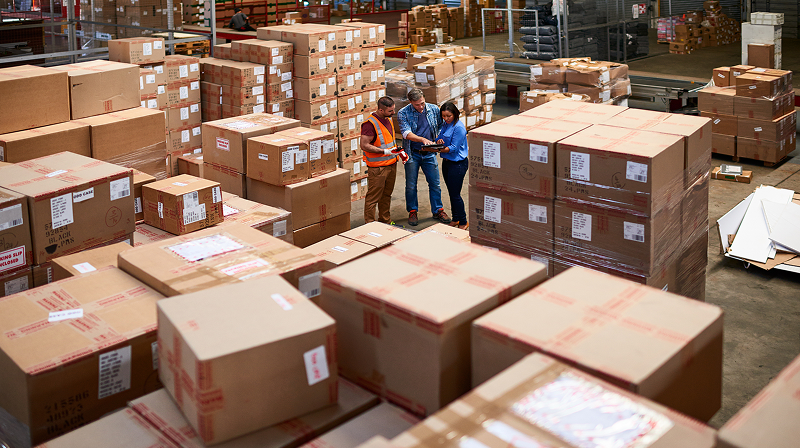
In today’s fast-paced delivery ecosystem, logistics is no longer just about moving goods from Point A to Point B. It’s about precision, visibility, customer satisfaction, and cost efficiency. Nowhere is this more evident than in the last mile delivery stage, where even a minor inefficiency can snowball into missed deliveries, unhappy customers, and lost revenue.
If your logistics operations feel sluggish, error-prone, or too reliant on manual intervention, your Transportation Management System (TMS) may be holding you back. Here are five key signs that your logistics team is in urgent need of a last mile TMS upgrade—and what to do about it.
1. Increased Missed or Delayed Deliveries
One of the first indicators that your current system is failing is a rise in late or missed deliveries. Whether it’s due to traffic congestion, poor route planning, or miscommunication with drivers, delays are a direct hit to your brand’s reputation.
The Impact:
● Frustrated customers and negative reviews
● Increased costs due to rescheduling and overtime
● Lost business opportunities from reliability issues
How a Modern Last Mile TMS Helps:
An upgraded TMS leverages real-time route optimization using AI and machine learning. It dynamically adjusts delivery routes based on live traffic conditions, weather updates, and driver availability. It also enables automated dispatching, reducing human error and improving on-time performance significantly.
2. Lack of Real-Time Visibility and Customer Communication
Today’s customers demand transparency and control over their deliveries. If your system can’t offer real-time delivery tracking, customer notifications, or proof of delivery, you’re falling behind industry standards.
The Impact:
● High customer service call volume asking for ETAs
● Poor customer satisfaction scores
● Delivery disputes due to lack of tracking or confirmation
How a Modern Last Mile TMS Helps:
With a modern TMS, you get end-to-end delivery visibility—from warehouse departure to doorstep delivery. Real-time driver tracking, geofencing alerts, customer SMS/email notifications, and digital proof of delivery (POD) ensure transparency and trust.
It also enables two-way communication with customers in case of delays, allowing for a much smoother delivery experience.
Looking to build a more resilient supply chain in 2025? Explore agile logistics management strategies. Read the blog
3. Overdependence on Manual Workflows and Spreadsheets
If your dispatchers are still using spreadsheets to plan routes or relying on phone calls and paper manifests to manage deliveries, it’s time for a serious upgrade.
The Impact:
● Time-consuming and error-prone operations
● Inability to scale operations efficiently
● Poor data capture for future improvements
How a Modern Last Mile TMS Helps:
An advanced TMS automates key workflows such as route planning, task allocation, driver management, delivery confirmation, and post-delivery analytics. This not only saves time but also reduces human errors drastically.
Integrated digital workflows mean faster turnarounds, better accuracy, and the ability to scale operations without increasing headcount.
Looking to streamline returns and cut costs? Discover 7 smart reverse logistics strategies for 2025. Read the blog
4. No Actionable Insights or KPIs to Drive Improvement
Without data, you can’t improve what you don’t measure. If your current system doesn’t give you actionable insights into performance metrics—such as delivery time, cost per drop, fuel efficiency, or driver behavior—you’re flying blind.
The Impact:
● Missed opportunities for optimization
● No visibility into delivery costs or driver efficiency
● Lack of accountability among field staff
How a Modern Last Mile TMS Helps:
With a smart TMS, you gain access to powerful analytics dashboards and reports. These tools help you:
● Identify underperforming routes or drivers
● Monitor vehicle utilization and fuel usage
● Track on-time delivery performance and SLA adherence
These insights help drive continuous improvement, reduce costs, and enhance operational control.
Ready to choose the right delivery software? Get the complete buyer’s guide for last‑mile solutions. Read the blog
5. Your Operations Can’t Scale with Business Growth
If your logistics operations start to crack every time you expand to a new region, take on more customers, or experience peak-season demand, your current system is not future-ready.
The Impact:
● Delivery failures during seasonal surges
● Higher operational costs per delivery
● Inability to serve new customers or territories effectively
How a Modern Last Mile TMS Helps:
Scalability is at the heart of a modern TMS. Cloud-based platforms support:
● Easy onboarding of new delivery hubs, fleets, and personnel
● Flexible resource allocation
● Elastic operations to handle demand spikes during holidays or promotions
With a scalable system, you can grow your business without breaking your operations.
Conclusion: Time for an Upgrade?
The signs are clear: if your logistics team is overwhelmed, inefficient, or unable to meet modern customer expectations, your current last mile TMS is costing you more than just money—it’s costing you growth.
A modern Last Mile Transportation Management System doesn’t just fix existing problems—it empowers you to:
● Enhance customer experience
● Improve delivery efficiency
● Reduce operational costs
● Scale your business confidently
Explore Next-Gen Solutions with nuVizz solutions
At nuVizz, we specialize in AI-driven, cloud-based last mile solutions tailored to the needs of evolving logistics teams. Whether you’re a small business or a global carrier, we help you take control of your last mile operations with the tools and insights you need to succeed.
Get a free Last Mile TMS demo today and see how your logistics team can benefit from a smarter, scalable solution.





FAQs
A Last Mile Transportation Management System (TMS) is specialized software designed to manage, optimize, and automate the final leg of delivery—when goods move from a distribution center to the customer's doorstep. It helps with route planning, real-time tracking, proof of delivery, and more to ensure timely and cost-effective deliveries.
You should consider upgrading when you notice signs like:
● Frequent late or missed deliveries
● Lack of real-time visibility
● Overreliance on manual processes
● Inability to scale during peak seasons
● No access to actionable delivery performance data
Key benefits include:
● Real-time route optimization
● Automated dispatching and workflows
● Live delivery tracking for customers
● Reduced operational costs
● Improved customer satisfaction and SLA adherence
Modern TMS software uses AI and machine learning algorithms to plan the most efficient routes by factoring in traffic, weather, and delivery time windows. This helps reduce fuel costs, delivery time, and driver fatigue.
Yes. By offering live tracking, automated delivery alerts, and accurate ETAs, a last mile TMS significantly improves the delivery experience, reducing customer queries and complaints.