Blog
How Retailers and 3PLs Scale Operations Using Last Mile Platforms
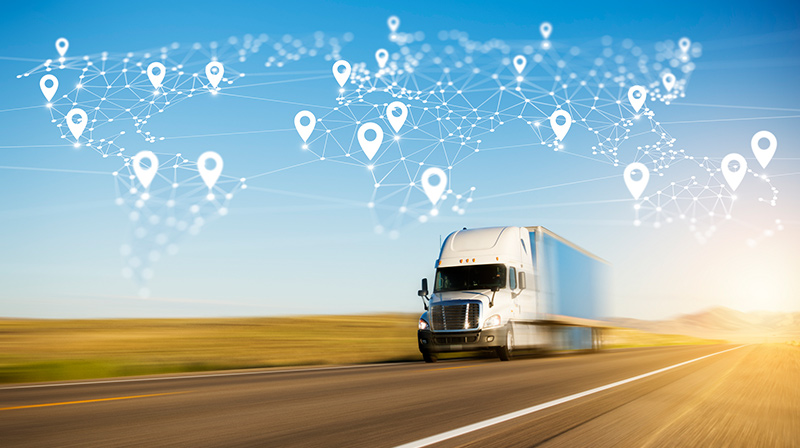
Retailers and third-party logistics providers (3PLs) are at a crossroads. With e-commerce booming and customer expectations accelerating, the final stretch of delivery—the last mile—has become the deciding factor for operational success. Deliveries that arrive late or lack visibility can erode trust, increase costs, and hinder growth.
This is where last mile delivery platforms come into play. They help businesses streamline delivery planning, track shipments in real time, and manage operations at scale without ballooning costs or complexity.
Growth Challenge in the Last Mile
Scaling last mile operations isn’t as simple as adding more vehicles or hiring more drivers. Traditional logistics models often face:
- Inefficient manual planning that fails during high-volume periods.
- Lack of visibility for both businesses and customers.
- Inconsistent customer experience, especially in same-day or next-day delivery promises.
- Escalating costs, driven by fuel, overtime wages, and under-utilized assets.
Retailers and 3PLs often find that their operational models work well at a certain volume but quickly break down during holiday peaks, promotional sales, or sudden market expansions.
Hidden freight fees increasing your costs?
Learn to Manage ThemHow Last Mile Platforms Enable Scalability
Modern last mile platforms provide a unified ecosystem to manage every aspect of delivery—from planning to execution to settlement. Here’s how they help:
1. Dynamic Route Optimization
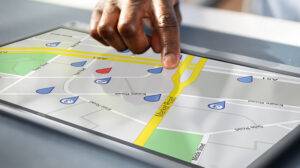
Using real-time traffic, delivery time windows, and fleet capacity, platforms automatically create optimal routes. This helps retailers and 3PLs:
- Reduce miles traveled per delivery.
- Minimize fuel consumption.
- Meet tight delivery windows without manual intervention.
This is especially critical for high-density urban deliveries, where poor routing can increase costs by up to 20%.
2. Real-Time Visibility for Stakeholders
Customers want to know when their package will arrive, and businesses want to know where their assets are. A robust last mile platform delivers:
- Live driver location tracking.
- Instant customer notifications for delays or successful deliveries.
- Centralized dashboards for dispatch teams.
This not only improves customer satisfaction but also allows proactive problem-solving.
3. Automated Dispatch and Resource Allocation
Instead of assigning deliveries manually, platforms automate dispatching based on:
- Driver availability and skill set.
- Vehicle capacity.
- Delivery priority and route density.
Retailers can scale during seasonal peaks without permanent workforce expansion, while 3PLs can balance resources across multiple clients seamlessly.
4. Data-Driven Insights for Continuous Growth
Last mile platforms collect detailed performance data, including:
- Delivery success rates.
- Average cost per delivery.
- Driver performance and compliance.
These insights help businesses refine operations and even streamline invoice and settlement reporting, reducing payment disputes and administrative overhead.
Facing delays and rising retail logistics costs? Discover Proven SolutionsRetailer Advantages: Growing Without Chaos
Retailers face unpredictable order volumes, especially in e-commerce. A last mile platform enables them to:
- Deliver more orders without increasing costs proportionally.
- Offer reliable same-day or next-day delivery across regions.
- Communicate proactively with customers, improving brand loyalty.
- Expand into new delivery zones faster with data-driven planning.
For example, a national apparel retailer using a platform like nuVizz scaled its urban delivery footprint by 30% while cutting failed deliveries by 15%.
3PL Benefits: Winning Clients with Smart Logistics
3PLs operate in a competitive space where service differentiation matters. With a last mile platform, they can:
- Manage multiple retailers with diverse needs on one dashboard.
- Prove value with client-specific performance reports.
- Lower operational costs through intelligent route and resource allocation.
- Rapidly onboard new clients during market expansions.
This positions them not just as delivery partners but as strategic growth enablers for their clients.
Case in Point: The nuVizz Impact
A mid-sized grocery chain implemented the nuVizz last mile platform to tackle rising delivery costs during high-demand periods. Within six months, they achieved:
- 25% reduction in delivery times.
- 18% decrease in operational costs.
- 40% increase in delivery capacity during peak weeks.
These improvements allowed them to expand their same-day delivery offering to three additional metro areas—without adding fleet size or headcount.
Emerging Trends Shaping the Last Mile
Retailers and 3PLs investing in last mile technology are also preparing for upcoming shifts in logistics:
- AI-driven predictive routing: Anticipates traffic, weather, and order surges.
- Green logistics: EV fleets and carbon-efficient routing become competitive advantages.
- Hyperlocal fulfillment: Leveraging micro-warehouses to shorten last mile distance.
- Integrated settlement automation: Reduces administrative work for high-volume shippers.
Early adoption of these trends positions businesses for sustainable, scalable growth.
Conclusion: Scale Smarter, Not Harder
The last mile has long been the most expensive and complex segment of logistics. But with modern platforms, it’s also the most transformative lever for growth.
Retailers and 3PLs using solutions like nuVizz are not just delivering packages—they’re delivering consistency, visibility, and competitive advantage.
Scaling operations no longer has to mean hiring more staff or buying more vehicles. It’s about using intelligent technology to do more with what you already have.
Ready to scale your deliveries without scaling your costs? Discover nuVizz Last Mile Solutions




FAQs
A last mile delivery platform is a technology solution that manages the final stage of delivery, from the distribution hub to the customer’s doorstep. It helps optimize routes, track deliveries in real-time, automate dispatching, and provide delivery analytics.
They allow retailers to handle higher delivery volumes without adding extra vehicles or staff by optimizing routes, managing resources dynamically, and improving customer experience.
Third-party logistics providers use these platforms to serve multiple clients efficiently, reduce operational costs, and offer enhanced visibility and reporting capabilities.
AI is increasingly used for predictive routing, demand forecasting, dynamic ETAs, and even automated settlement reporting, helping companies stay ahead of fluctuations in demand.
Even without massive fleets, smaller retailers or 3PLs can scale cost-effectively by using cloud-based last mile platforms that allow pay-as-you-grow flexibility.