Blog
Role of Last Mile TMS in Food Delivery Apps Like Swiggy & DoorDash
Food delivery industry has witnessed explosive growth over the past few years. With the rise of platforms like Swiggy, DoorDash, Zomato, and Uber Eats, consumers have grown accustomed to the convenience of having meals delivered to their doorstep—often within minutes.
But behind the scenes, ensuring timely and efficient food deliveries is a massive logistical challenge. One key component that often determines success in this competitive market is last mile delivery—the final and most critical stage in the delivery chain. This is where a Last Mile TMS (Transportation Management System) becomes a game-changer.
Growing Complexity of Food Delivery Logistics
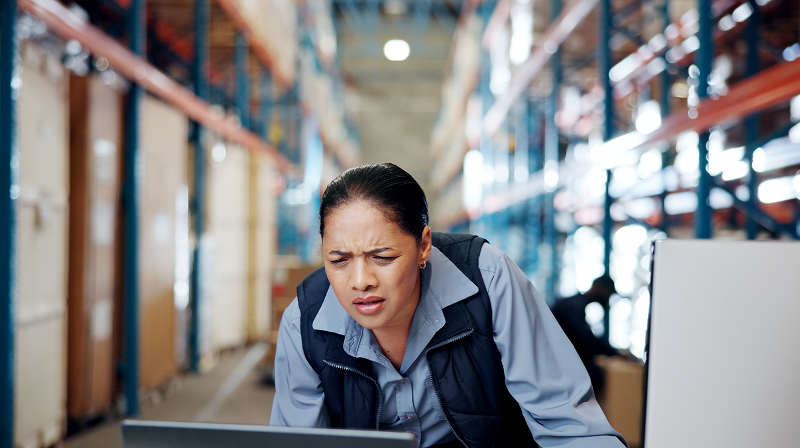
Food delivery logistics are unique because they involve delivering perishable goods in tight timeframes to highly dispersed locations. The expectation for fast, accurate, and transparent service is high, with even minor delays leading to negative reviews, lost customers, and tarnished brand reputations.
Consider this:
● 60% of customers expect their food to be delivered in under 30 minutes
● The average order value drops by 12% if the ETA exceeds 45 minutes
● Customer retention drops sharply after just one bad delivery experience
In this scenario, food delivery companies must juggle real-time order inflow, driver availability, road conditions, customer location accuracy, and more—all while keeping operational costs low. Managing this without a dedicated last mile TMS software is like navigating a storm without a compass.
Looking to enhance your logistics operations? Discover how dynamic route optimization software can improve delivery efficiency and customer satisfaction in our latest blog here.
What Is a Last Mile TMS and Why Is It Crucial for Food Delivery?
A Last Mile TMS is a technology platform designed to optimize the final leg of the delivery journey—from the restaurant or cloud kitchen to the customer’s home.
Unlike traditional TMS platforms used in freight and warehousing, a Last Mile TMS is built for dynamic, high-velocity, B2C deliveries—exactly what food delivery platforms need.
Facing challenges in last-mile delivery? Discover how vehicle routing software can streamline your operations and enhance customer satisfaction in our latest blog here.
Key Functionalities of a Last Mile TMS for Food Delivery Apps:
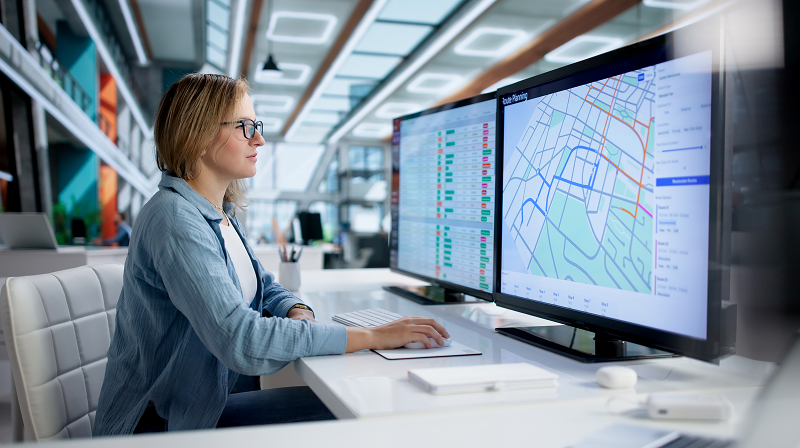
Food delivery is a fast-paced, time-sensitive business where every minute counts. A robust Last Mile TMS is equipped with powerful features that streamline the entire delivery process—from dispatch to doorstep. Below are the core functionalities that make a TMS essential for platforms like Swiggy, DoorDash, and Zomato.
● AI-Powered Route Optimization
Calculates the best possible route considering traffic, time, distance, and road conditions.
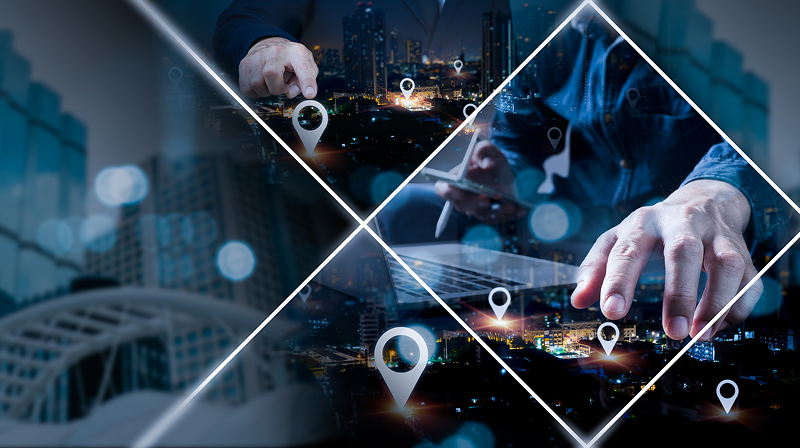
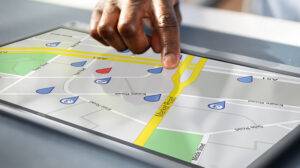
● Real-Time Order Tracking
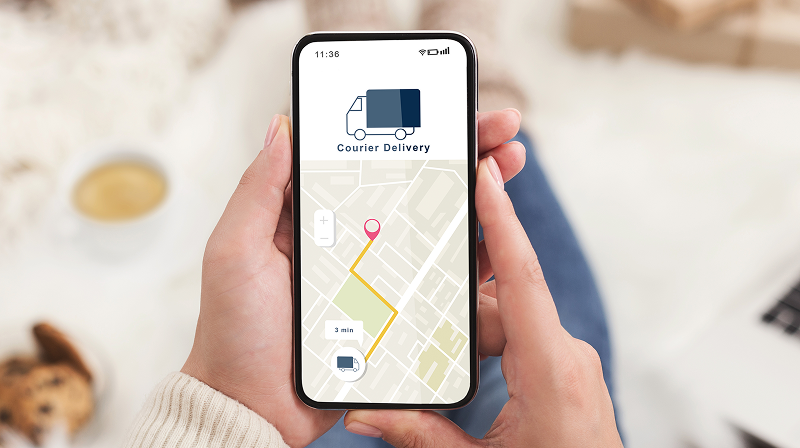
Enables both customers and dispatch teams to track delivery status in real-time.
● Dynamic Order Batching
Groups orders intelligently based on location and time sensitivity.
● Driver App & Communication
Offers navigation, delivery instructions, and communication tools for seamless execution.
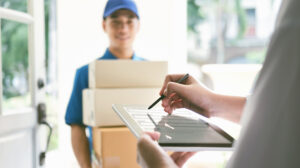
● Digital Proof of Delivery (POD)
Confirms successful handoff with photo, signature, or OTP.
● Performance Analytics Dashboard
Helps monitor KPIs like delivery time, fuel usage, and customer ratings.
This technology improves delivery speed, enhances customer experience, and reduces operational inefficiencies.
Seeking to enhance your medical courier operations? Discover how AI-powered route planning can optimize delivery efficiency and compliance in our latest blog here.
Why Food Delivery Apps Like Swiggy & DoorDash Need a Last Mile TMS
Apps like Swiggy and DoorDash manage thousands of orders per hour across cities and suburbs. As they scale, their logistics challenges become more complex.
Without a TMS:
● Delivery routes are inefficient and longer.
● Riders waste fuel and time backtracking.
● Real-time visibility is limited.
● ETAs are inaccurate, frustrating customers.
● High rate of late or failed deliveries.
With a Last Mile TMS:
● Routes are optimized in real-time for the fastest delivery.
● Orders are grouped by proximity, saving time.
● Drivers are guided with turn-by-turn navigation.
● Customers receive accurate ETAs and real-time updates.
● Operations teams get full visibility into delivery statuses and issues.
Imagine Swiggy handling peak dinner hours in Mumbai: hundreds of drivers, thousands of orders, traffic congestion, and impatient customers. A TMS platform automates decision-making, helping deliver faster with fewer errors—even during the busiest hours.
Looking to enhance your delivery operations? Discover how AI-powered vehicle routing and scheduling can optimize your fleet, reduce costs, and improve efficiency in our latest blog here.
Key Benefits of Using Last Mile TMS in Food Delivery Operations
A Last Mile TMS brings numerous advantages to food delivery services, helping companies like Swiggy and DoorDash stay competitive, reduce costs, and improve customer satisfaction. Let’s explore the key benefits in detail:
● Faster Deliveries with Smart Route Optimization
With the help of AI-powered route optimization, a Last Mile TMS dynamically calculates the most efficient delivery routes based on traffic, distance, and real-time road conditions. This ensures that food is delivered faster, improving delivery times and reducing the likelihood of cold or late meals.
● Reduced Operational Costs
A Last Mile TMS helps reduce delivery-related expenses by optimizing the number of deliveries per trip, minimizing fuel consumption, and reducing the need for overtime. Additionally, by optimizing delivery routes, the system reduces wear and tear on vehicles, leading to lower maintenance costs.
● Real-Time Visibility for Customers & Managers
Customers can track their orders in real-time, receiving updates on delivery status, ETAs, and even delays. On the operations side, dispatchers and managers can monitor driver performance, adjust delivery routes instantly, and get a live view of the entire fleet’s progress.
● Minimized Delivery Errors
With integrated address verification and driver assistance features, a Last Mile TMS reduces the chances of misdeliveries. Smart algorithms can re-route deliveries in real-time to avoid delays due to road closures or other issues, ensuring food arrives at the right location and on time.
● Actionable Insights and Data Analytics
A Last Mile TMS generates valuable insights that help food delivery companies refine their operations. Analytics provide data on delivery times, driver performance, geographic bottlenecks, and other crucial metrics. This data-driven approach enables businesses to continually optimize routes and operations.
Each of these benefits plays a vital role in streamlining food delivery operations, ensuring faster service, and enhancing customer experience. By integrating a Last Mile TMS, food delivery platforms can address some of the most common challenges in the industry and create a more efficient and scalable delivery model.
Looking to enhance your healthcare logistics operations? Discover how AI-powered route optimization, real-time tracking, and automated dispatching can streamline your pharmaceutical deliveries in our latest blog here.
How nuVizz Supports Last Mile Delivery in the Food Industry
At nuVizz, we understand the high-stakes nature of food logistics. Our cutting-edge last mile TMS solution is designed to help food delivery companies scale effortlessly without sacrificing quality or speed.
Our platform includes:
● Advanced Route Optimization Engine
● Real-Time Driver Visibility
● Mobile Driver App with Navigation & POD
● Customer Notifications & ETAs
● Analytics Dashboard with Heatmaps & KPIs
● Scalable API integrations for food apps & aggregators
Whether you’re managing 100 or 10,000 orders a day, nuVizz empowers your operations with the tools needed to optimize deliveries, cut costs, and delight customers.
Conclusion: TMS is the Backbone of Modern Food Delivery
In a world where a single late meal can lead to a lost customer, delivery speed and accuracy are everything. Food delivery apps like Swiggy and DoorDash cannot rely on manual processes or basic GPS alone.
Implementing a Last Mile TMS ensures that orders are delivered:
● On time
● Efficiently
● With full visibility
As the food delivery sector continues to grow, the companies that invest in intelligent logistics tech like nuVizz’s Last Mile TMS will be the ones to lead the pack.
FAQs
Last Mile TMS (Transportation Management System) is a software platform designed to optimize the final stage of the delivery process—taking the product from the last distribution point (like a restaurant or cloud kitchen) to the customer's doorstep. It ensures deliveries are efficient, fast, and error-free.
A Last Mile TMS improves food delivery by optimizing delivery routes in real-time, providing real-time tracking for both customers and drivers, reducing operational costs, minimizing delivery errors, and offering valuable insights for continuous improvement.
Route optimization helps food delivery apps deliver orders faster and more efficiently, saving time, reducing fuel costs, and improving customer satisfaction by ensuring food arrives hot and on time.
Key features include AI-powered route optimization, real-time tracking, dynamic order batching, driver communication, and performance analytics. These features help streamline the delivery process and enhance operational efficiency.
A Last Mile TMS reduces delivery costs by optimizing routes to minimize fuel consumption, lowering vehicle maintenance costs, and improving delivery efficiency. This leads to a lower cost per delivery and higher profit margins.